
20th Mar 2026
5 Ways to Wear the Draped Trend Without Looking Overdressed
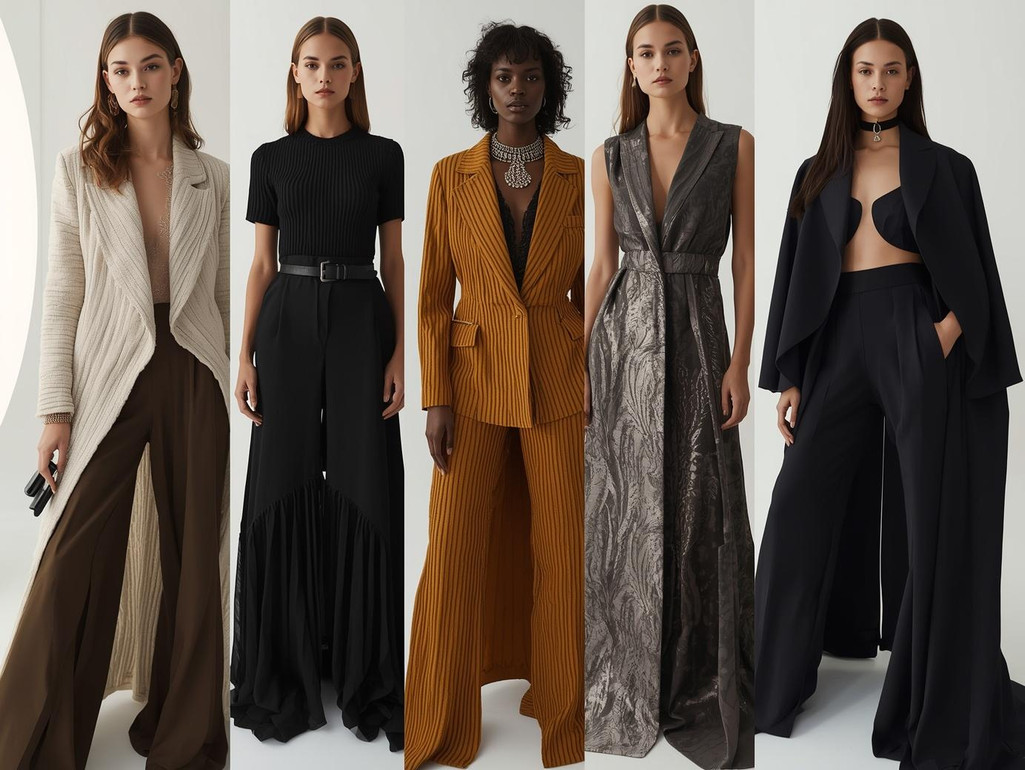
Style lets you wear draped pieces for everyday looks by balancing proportion, choosing structured anchors, and limiting volume; avoid overpowering silhouettes and favor tailored layers so you look polished, not overdressed.
The Fundamentals of the Draped Aesthetic
You refine draped looks by prioritizing silhouette, fabric weight and restrained details so pieces read chic, not costume; avoid heavy embellishment and oversized volume, and favor soft tailoring that flatters your proportions.
Defining Fluidity in Modern Tailoring
Silk and jersey drape best when you balance flow with structure: add a tailored waist, crisp cuffs or a sleek shoe to keep movement intentional rather than messy; highlight fluidity without losing shape.
Understanding the Line Between Elegant and Overdressed
Balance hinges on scale: you should pick one draped focal point so the outfit reads refined, not theatrical; watch for excess volume and too many accents that push you into overdressed territory.
Assess how accessories, color and occasion affect how draping registers: you can keep a bold drape daytime-appropriate by choosing muted hues and minimal jewelry; pairing a statement cape with sequins or sky-high heels can tip you into overdressed. Focus on proportion, hemline and context to maintain elegance without overwhelm.
Strategy 2: Mastering Proportional Balance
Balance draped pieces by pairing generous fabric with streamlined silhouettes so you avoid appearing overdressed; give your outfit focus with a single fitted anchor like a tailored blazer or slim waist.
Pairing Voluminous Drapes with Structured Basics
Anchor oversized drapes with a crisp blazer or structured coat so you keep your silhouette defined; pair with clean lines to prevent overwhelming your frame.
Using Slim-Fit Bottoms to Ground Fluid Tops
Ground flowing blouses with slim-fit trousers or skinny denim to create contrast that keeps you polished; choose high-waist cuts so you elongate and anchor movement.
Pair slim bottoms with tucked drapes and minimal shoes so you maintain a streamlined line; prefer stretchy fabrics and a low-profile shoe to avoid adding bulk at the hem.
Strategy 3: Strategic Layering for Daily Wear
Layering lets you wear draped pieces daily by pairing them with tailored basics to keep proportions clean and avoid an overly formal vibe; choose slim bottoms and a structured bag to prevent a bulky silhouette while keeping the drape as the focal point.
Softening the Look with Utility Outerwear
Choose a cropped or belted utility jacket to soften draped silhouettes-it tames excess fabric without making you look overdressed; aim for slightly defined shoulders and matte fabrics, and avoid oversized parkas that swallow your proportions.
Incorporating Draped Knitwear into Minimalist Outfits
Pair draped knitwear with slim trousers and simple loafers to let texture speak while maintaining a clean silhouette; stick to a neutral palette and avoid competing volumes so the drape reads intentional, not theatrical.
Focus on fabric weight and proportion: choose fine-gauge knits for subtle layering and chunkier drapes as the outfit's centerpiece. You can half-tuck, belt loosely, or layer over a fitted tee to control volume and preserve clean lines. You should favor low-contrast neutrals and one statement accessory so the drape adds texture without overwhelming your look.
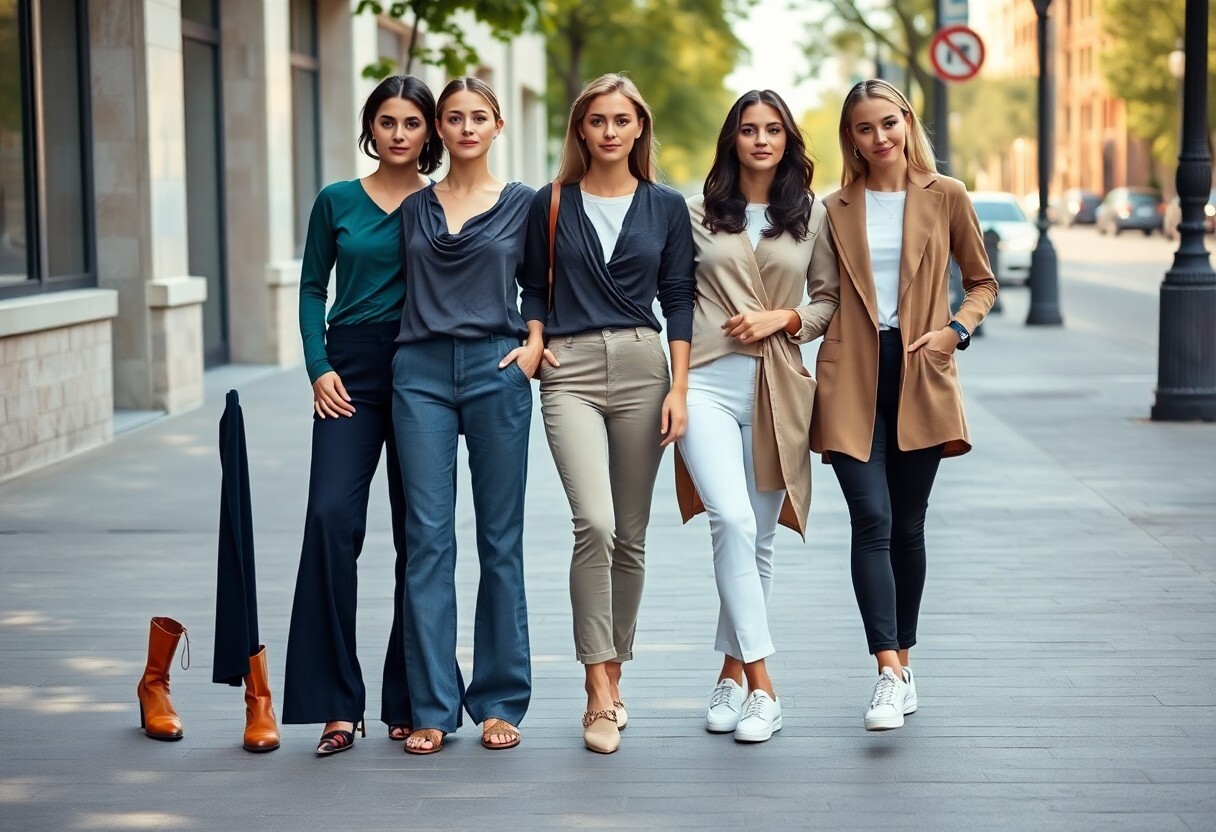
Strategy 4: Tonal and Monochromatic Palettes
Keep tonal dressing simple: choose one color family and vary shades so you wear draped pieces without feeling overdressed; monochrome reduces visual clutter and lets shape and silhouette take center stage for a refined effect you control.
Using Neutral Hues to Minimize Visual Complexity
Opt for neutral hues like beige, taupe, and charcoal to minimize visual complexity; you’ll maintain the draped trend’s movement while keeping outfits approachable and day-ready with subtle contrast from accessories.
Creating Depth Through Textured Neutrals
Mix tactile fabrics-wool, silk, and brushed cotton-to create depth without loud color; you can balance drape volume with fitted pieces so the ensemble reads intentional rather than overdressed.
Layer varied textures within one neutral family to amplify depth: pair a matte knit with a satin draped top and a suede coat. You keep proportions fitted at the base so the drape sits purposely, and use a metallic accent sparingly-too much shine can read overly formal.
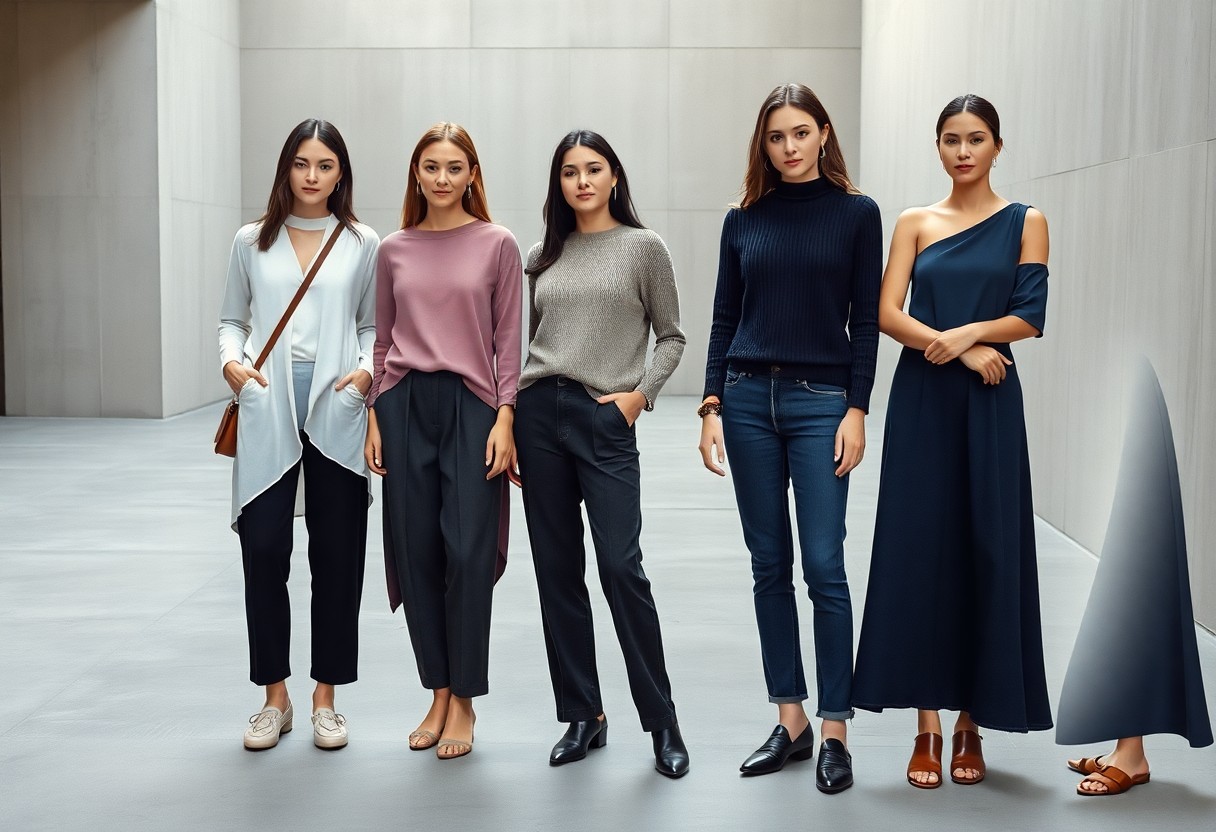
Strategy 5: Downstated Footwear and Accessories
Keep footwear and accessories muted to let draped garments shine; choose low-profile sneakers, leather loafers, and slim straps. You should avoid heavy hardware and bold logos. Focus on clean lines and neutral tones to maintain an understated yet polished look.
Pairing Fluid Silhouettes with Sneakers and Loafers
Balance flowing gowns and draped tops with low-profile sneakers or classic loafers so you keep a relaxed, modern edge; choose clean silhouettes and muted colors to avoid looking overdressed.
Selecting Minimalist Jewelry to Maintain Effortlessness
Opt for delicate chains, slim bands, and small studs so your jewelry echoes the drape without competing; you should favor matte metals and single-point accents to retain an effortless finish.
Favor thin hoops, single-link bracelets, and one minimalist ring; you can mix matte gold and silver sparingly, but avoid stacking bulky pieces. Keeping jewelry small preserves drape movement and creates a deliberately subdued frame around your outfit.
Conclusion
To wrap up, you can master draped looks by balancing proportions, adding structured anchors, limiting embellishment, choosing neutral tones, and tailoring the fit for a polished finish.