
9th Dec 2025
Architectural Cutouts Push High-Fashion Boundaries
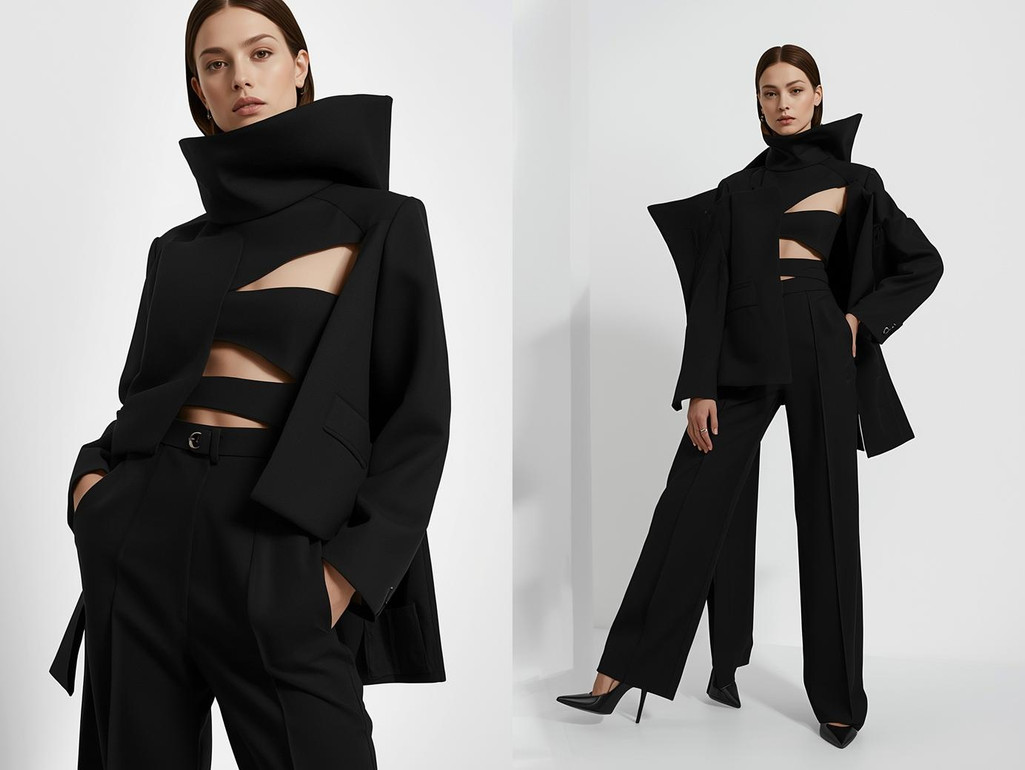
Most trends shift with the seasons, but architectural cutouts in high fashion take creativity into an entirely new realm. These daring designs merge structural innovation with wearable art, offering a way to express individuality while embracing the edge of avant-garde style. They challenge familiar silhouettes, question the role of clothing, and reshape how we experience fashion. This post explores how these sculptural elements elevate garments and deepen the connection between architecture and design.
The History of Architectural Cutouts
Understanding the origins of architectural cutouts requires looking at the avant-garde movements of the 20th century, where art and design first merged in meaningful ways. Designers moved beyond embellishment and began experimenting with space, negative shapes, and intentional voids. Influential architectural styles like Bauhaus and Deconstructivism—known for minimalism and asymmetry—helped shape the visual language of early cutout fashion.
The Growth of Fashion Design
Fashion design evolved gradually as cultural norms shifted. By the 1960s, designers such as Yves Saint Laurent began integrating architectural elements into garments, treating the body almost like a sculptural base. This era sparked a focus on the “architectural integrity” of clothing, setting the stage for today’s cutouts and structural experimentation.
Architecture’s Impact on Fashion
Architecture continues to play a major role in shaping modern fashion. Visionaries like Issey Miyake and Balenciaga use structural principles to build garments that echo the logic of cityscapes. Their work challenges assumptions about functionality and wearability, turning fashion into a medium for artistic expression.
Designers such as Gareth Pugh introduce geometric abstraction reminiscent of modernist buildings, while Rick Owens incorporates bold forms inspired by brutalist structures. These looks go far beyond surface aesthetics—they create immersive experiences that mirror the architectural ideas behind them.

Methods and Materials
The fusion of fashion and architecture has opened the door to groundbreaking construction techniques. Technologies such as 3D printing and laser cutting allow designers to create precise, intricate cutouts previously impossible by hand. These innovations enable bold shapes, dynamic angles, and sculptural details that transform both silhouette and movement.
Creative Ways to Use Fabric
As cutout-focused design gained momentum, the search for complementary materials evolved as well. Designers increasingly turn to biodegradable textiles, performance fabrics, and adaptable blends. These materials support complex structures while aligning with sustainability initiatives, appealing to the modern eco-conscious fashion consumer.
Structural Design Elements
Structural design in fashion has become more ambitious, blending classical garment construction with architectural engineering. Techniques incorporating cantilevered forms, load-bearing shapes, and exoskeletal frameworks help garments maintain their structure while allowing fluid motion.
Some pieces are built with internal scaffolding or reinforced frameworks to preserve dramatic shapes throughout wear. This approach shifts fashion toward the realm of engineered sculpture, prompting deeper questions about what clothing can represent and how it interacts with the body.
Famous Examples of Cutouts in Fashion
Throughout fashion history, certain garments have defined eras through their experimental use of architectural cutouts. Designers such as Issey Miyake and Maison Margiela crafted pieces that use negative space to enhance structure, intrigue the viewer, and redefine silhouette expectations.
Influential Designers and Collections
Alexander McQueen frequently fused cutouts with sharp tailoring, producing pieces that spoke to nature, emotion, and identity. More recent Balenciaga collections feature bold uses of negative space, challenging typical ideas of elegance and inspiring conversations about shape, movement, and the body.
Runway Impact
Cutouts have significantly shaped runway trends, shifting from decorative accents to dramatic design statements. Intricate geometric cutouts—such as those seen in Dior’s Spring collections—highlight how the interplay between fabric and emptiness transforms fashion into functional sculpture.
This trend has sparked collaborations between architects and fashion designers, accelerating innovation and softening boundaries between the two worlds.

Fashion and Art Come Together
The integration of artistic vision into fashion has created new pathways for experimentation. Wearable garments now act as canvases that express form, space, and personal experience. Maison Margiela, among others, continually explores this relationship, turning each collection into an artistic dialogue.
Cutouts as Artistic Expression
Cutouts operate as both a stylistic device and a form of storytelling. By disrupting expected shapes and showcasing the body in unconventional ways, designers use negative space to provoke emotion, introspection, and cultural conversation.
Collaborations Between Architects and Designers
Collaborations between architects and fashion designers have produced some of the most innovative creations in the industry. Zaha Hadid’s sweeping, fluid structural concepts inspired unforgettable wearable pieces. Hussein Chalayan’s installations demonstrate how architecture shapes his exploration of space, transformation, and movement.
These partnerships encourage designers to apply architectural principles—function, balance, structural clarity—to fashion, resulting in garments that are both expressive and highly engineered.
Cultural Effects
Architectural cutouts carry cultural weight beyond aesthetics. They reflect conversations about identity, body image, and self-expression. By reshaping silhouettes and revealing unexpected areas of the body, cutouts challenge traditional standards of femininity and beauty.
A Look at Trends in Society
This design movement aligns with broader societal values centered around individuality and authenticity. Architectural cutouts offer a medium for storytelling, helping people express identity in bold and personal ways.
Fashion’s Expanding Inclusivity
Cutout-driven fashion naturally accommodates diversity in shape, proportion, and style. As brands embrace inclusivity, designs with asymmetry and unexpected geometry allow for new forms of representation. Labels like Savage X Fenty and Palomo Spain highlight how diverse casting and design can shift consumer expectations and encourage innovation.

The Future of Architectural Cutouts
Architectural cutouts continue evolving with technology. Designers are exploring 3D-printed garments, smart textiles that respond to climate, and digital-only designs shown in virtual runways. These advancements point to a future where fashion exists in both physical and digital realms.
New Trends and Ideas
Cutouts are becoming more complex and more intelligent. Innovations such as laser-cut geometry, AR-enhanced fitting experiences, and advanced patternmaking are driving the next wave of wearable art. Collections from Balenciaga and Issey Miyake hint at a lasting future for this design language.
Eco-Forward Cutout Design
Strategic cutout placement naturally reduces fabric waste, making this trend compatible with sustainability goals. Designers increasingly pair cutouts with recycled materials, zero-waste patternmaking, and long-lasting construction.
The result is fashion that balances beauty, ingenuity, and environmental responsibility.
In Closing
Architectural cutouts push fashion beyond its traditional boundaries, creating a dynamic conversation between structure, silhouette, and self-expression. These designs challenge expectations, transform the body into part of the artwork, and invite us to rethink how we interact with the clothing we wear. As technology and creativity advance, the possibilities for cutout-driven fashion only grow more exciting—reshaping how we see, wear, and experience style.