
19th Mar 2026
Beyond the Wrap Dress - Exploring 2026’s Most Fluid Fashion Shapes

You examine how 2026’s wardrobes shift toward fluid silhouettes, balancing experimental cuts with the danger of proportion extremes while embracing sustainable, shape-shifting fabrics that redefine wearability.
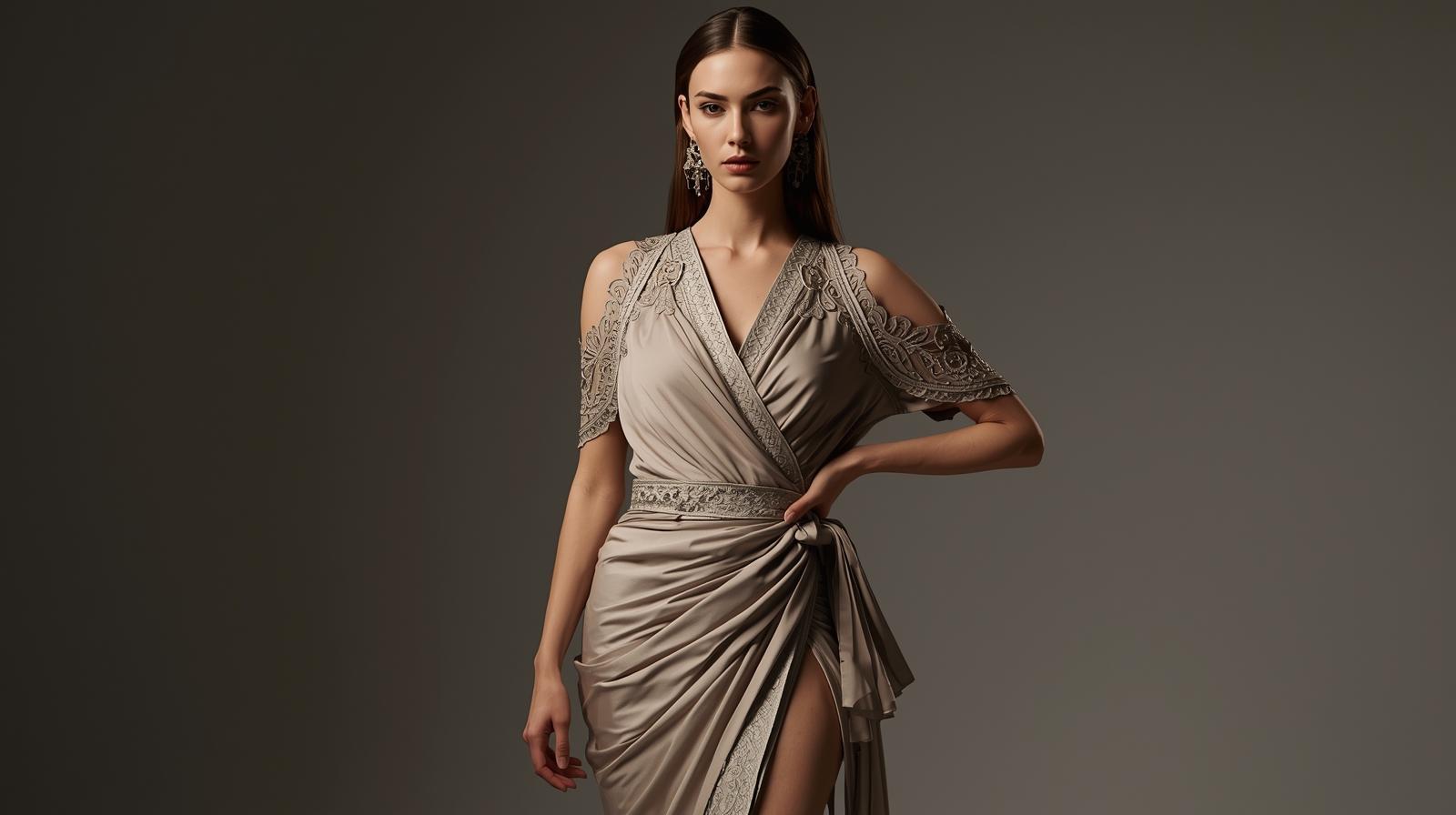
Kinetic Draping and Biomimetic Forms
You experience garments that mimic muscle and skin, where biomimetic membranes and articulated pleats create responsive motion, offering striking visual fluidity while introducing mechanical fragility you must anticipate.
Implementing Organic Movement in Textile Engineering
In fabric labs, you integrate shape-memory fibers, micro-actuators and pleat geometry to program organic motion, balancing actuation power with wearability and the sustainability gains of reduced layering.
The Influence of Natural Fluidity on 2026 Runway Shapes
Runways show you silhouettes that unfurl and ripple like water, with oversized biases and articulated hems creating dynamic profiles that challenge static tailoring.
When you examine 2026 runways, designers favor curved bias cuts, layered geotextiles and pneumatic vents so garments react to breath and wind, granting unpredictable motion, amplified audience engagement, but also raising wearability risks and new maintenance demands you must plan for.
Gender-Agnostic Volume and Softened Tailoring
You encounter silhouettes that blur tailoring and fluidity, where softened shoulders and sweeping hems let you mix structural lines with free movement for versatile, inclusive dressing.
Dismantling the Binary Through Oversized Structures
Oversized shapes give you permission to reject binary cues by prioritizing volume and shadow over gendered details, while you manage proportions to avoid overwhelming your frame.
The Intersection of Comfort and High-Fashion Draping
Softened tailoring lets you enjoy couture drape with everyday ease, using bias cuts and weight-balanced fabrics to keep comfort central while preserving sharp intent.
Flowing drape demands that you consider internal support, fabric weight and cut so pieces hold intent without constraining motion. You should seek bias-lined seams, subtle interfacing and graded hems to protect shape and prevent fabric collapse. Fabrics like washed silk, fine wool and modal blends deliver luxury comfort that reads as both wearable and editorial.
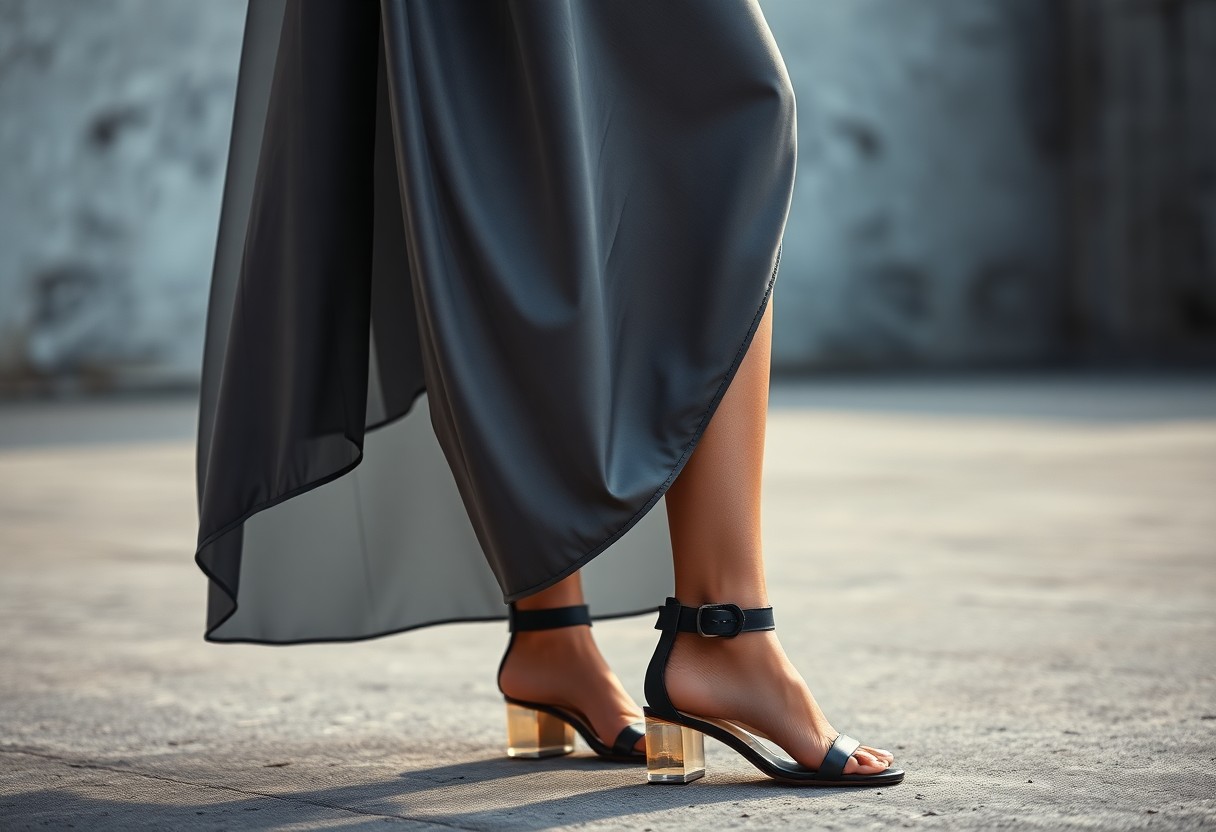
Material Innovation: Fabrics That Define Flow
You notice phase-change microfibers and weightless knits creating garments that move like water, offering fluid drape, moisture control and gentle recovery so silhouettes respond to your motion without stiffness.
Next-Generation Bio-Synthetics and Liquid Silks
Bio-synthetics like lab-grown silk and algae-based polymers let you wear fabrics with low water footprint and high tensile strength, though you should watch for processing residues and untested biodegradation byproducts.
Smart Textiles and Shape-Memory Technology
Smart shape-memory fibers allow you to alter fit on demand, integrate sensors and harvest movement energy, delivering adaptive comfort while posing thermal or electrical risks if systems fail.
These systems pair polymers, nitinol alloys and conductive yarns that react to heat, moisture or current so you can program garments to tighten, vent or warm; when you use shape-memory polymers activation temperatures and power sources dictate safety and longevity, and you must heed care labels, firmware updates and potential premature failure.
Architectural Minimalism and Negative Space
You observe how pared-back geometry uses negative space to sculpt silhouettes, forcing focus on line, proportion and movement; designers cut away to create strategic voids that read as form rather than absence.
Sculpting the Body with Asymmetrical Voids
Asymmetry lets you reframe proportions, where angled cutouts and offset seams reveal and conceal, guiding gaze while maintaining wearability; be mindful of structural fragility at stress points.
The Impact of Fluid Architecture on Modern Garment Construction
Fluidity challenges your pattern-making, prompting use of drape, bonded seams and 3D knitting to translate curving planes into durable garments while preserving enhanced mobility and visual flow.
Construction now demands that you integrate digital patterning, moldable bio-based foams and targeted reinforcement to translate sculptural voids into wearable pieces; expect trade-offs between lightweight flexibility and potential seam stress, so prototype with force-mapping and consider bonded or taped joins to reduce failure.
Cultural Shifts Influencing Global Silhouettes
Cultural shifts push you to reconsider silhouettes as designers blend global craft with modern minimalism, driving market expansion while raising appropriation risks you must address through respectful collaboration.
Reinterpreting Traditional Eastern Draping for the Global Market
You witness traditional Eastern draping reworked into modular pieces that honor artisans, offering heritage-led creativity while exposing cultural sensitivity demands you must meet.
Digital-First Design and the Virtual-to-Physical Pipeline
Virtual prototypes let you iterate faster, reduce sampling waste, and deliver speed to market, but also increase data-security and IP exposure you must manage.
Platforms now enable you to iterate designs in photorealistic 3D, test fit on diverse avatars, and transmit specs instantly to factories, cutting prototypes and waste while boosting design accuracy and speed to market. You must guard against IP leakage, mismatched finishes in physical production, and overreliance on proprietary tools that can lock suppliers; set clear contracts, secure asset pipelines, and validate virtual fits with limited-run physical samples so you keep control across the virtual-to-physical pipeline.
Summing up
Summing up you should expect 2026 fashions to favor fluid silhouettes, soft tailoring, adaptive materials and sustainable techniques; you can choose pieces that shift between structured and relaxed shapes to reflect personal style and function.