
2nd Mar 2026
Dark Florals in High Fashion - Romanticism with Edge

Just explore how dark florals stitch romanticism to dangerous silhouettes as you learn how designers blend rich palettes, sharp tailoring, and unexpected textures to create powerful, moody statements that command attention on couture runways.
Key Takeaways:
- Romantic floral motifs meet gothic undertones through black bases, deep jewel tones, and distressed or glossy textures, creating tension between softness and edge.
- Design techniques such as sharp tailoring, leather trims, metallic hardware, and asymmetry harden delicate prints and modernize classic silhouettes.
- Styling relies on contrast-chunky boots, smoky makeup, and layered textures for day; dramatic hems, sheer overlays, and baroque accessories for runway impact.
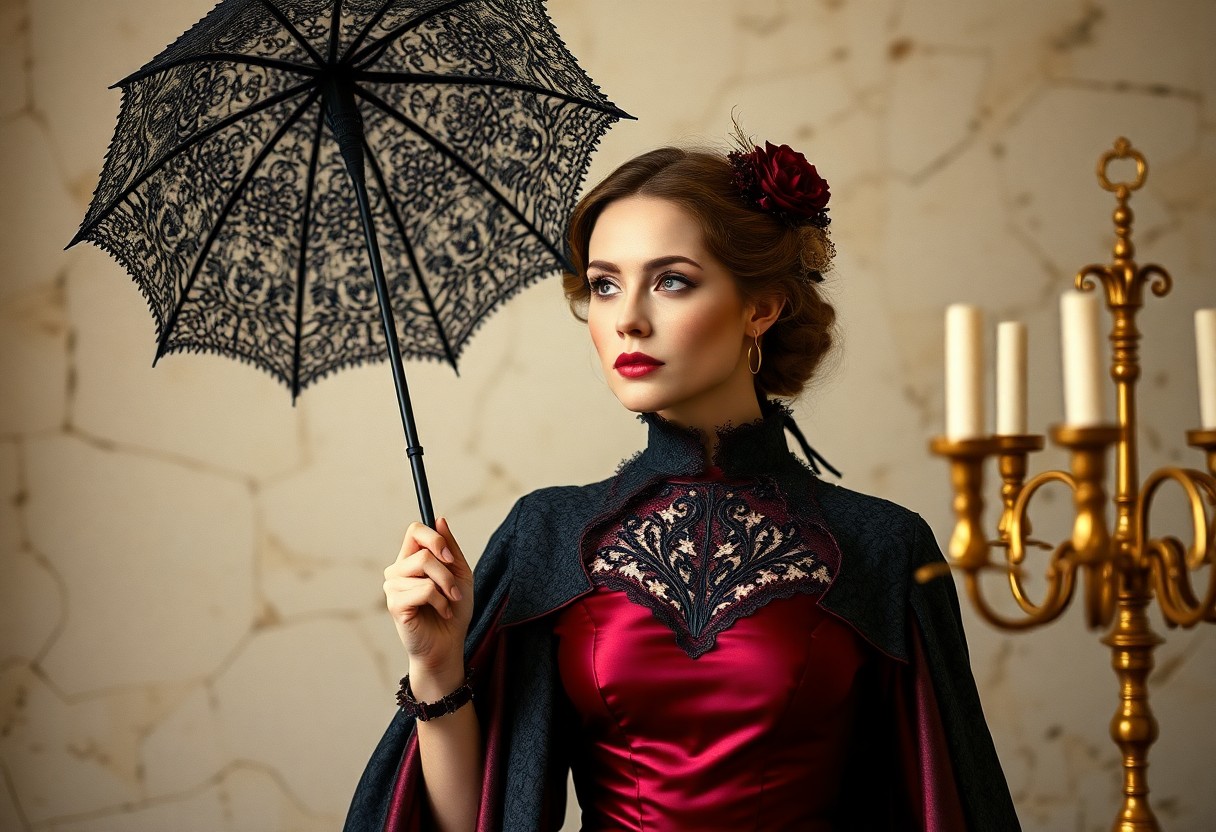
Historical Roots: The Evolution of Botanical Melancholy
History teaches you that dark florals evolved from 18th-19th century botanical studies and mourning aesthetics, marrying precise scientific catalogs with poetic mourning symbolism, creating a visual language of botanical melancholy that designers still reinterpret.
Victorian Mourning Traditions and Floral Symbolism
Victorians trained you to read a floral lexicon: black crepe and pressed blooms encoded grief, while dark roses offered a defiant beauty that you still reference in couture motifs.
The Influence of 19th-Century Romanticism on Modern Couture
Romanticism taught you to prize emotion and natural decay, inspiring designers to blend lush blooms with somber tones, producing dramatic silhouettes and textural depth that feel both fragile and fierce.
You absorb Romanticism's textures when designers borrow Pre‑Raphaelite imagery, privileging ruinous beauty and intense color contrasts. You see this in the dramatic use of velvet and lace, hand-embroidery, and prints that mimic bruised petals. You recognize the theatricality—exaggerated sleeves, layered skirts, purposeful distress—that lets couture turn melancholy into a seductive, wearable statement.
Defining the Aesthetic: Where Softness Meets Subversion
You marry gauzy roses and burnished velvets with angular cuts so softness retains an edge, and your look reads both romantic and intentionally dangerous.
Color Palettes: Deep Saturated Tones and Moody Neutrals
Deep garnets, forest greens and onyx neutrals let you anchor pieces in shadow while punctuating with rich accents that feel both moody and wearable.
Motifs: The Beauty of Wilting Blooms and Thorns
Wilting blooms, browned petals and curling leaves allow you to signal nostalgia and menace, with thorns as a sharp, chic punctuation.
Exploring sculptural floral prints and distressed embroideries teaches you to read decay as design language: faded petals suggest memory, scattered seeds imply movement, and exposed thorns introduce a deliberate threat that makes romance more compelling; mixing texture—lace with leather, matte silk with metal hardware—turns fragility into a striking statement.
Masters of the Craft: Iconic Designers and Collections
Designers show you how dark florals translate into haute couture, mixing romantic silhouettes with shadowy prints and theatrical tailoring, so you grasp the tension between softness and menace that defines this trend.
Alexander McQueen’s Gothic Grandeur
McQueen confronts you with Gothic dramatics, sculpting floral motifs into armor-like corsetry and macabre detailing that give your silhouette a dangerously poetic edge.
Erdem’s Narrative-Driven Botanical Elegance
Erdem invites you into narrative-rich prints and delicate tailoring where each bloom reads like a story, offering romantic femininity tempered with modern restraint.
You can trace Erdem’s practice to archival research and cinematic references, where florals function as characters that shape mood and narrative. His meticulous embroidery and layered prints create tactile depth so you feel both intimacy and theatricality on the body. When you wear an Erdem gown, period silhouettes, painterly palettes, and conversational detailing converge into a quiet power that reads as romantic but resolute on the runway and beyond.
The Psychology of Dark Florals in Modern Fashion
Psychology shows how dark florals let you blend softness with defiance, triggering nostalgia and a sense of dangerous confidence that reshapes how others read your identity.
Challenging Traditional Concepts of Femininity
You disrupt feminine clichés by pairing delicate blooms with sharp tailoring, using contradiction to claim authority and rewrite expectations about elegance and power.
The Allure of Mystery and Sophisticated Rebellion
Darkness in patterns gives you a controlled anonymity, allowing sophisticated rebellion—a quiet provocation that attracts attention without revealing all.
Layers of shadowed blooms let you signal complexity: muted palettes, textured fabrics, and unexpected scales all contribute to a look that is both mysterious and deliberately audacious. You can use these elements to suggest risk while maintaining polish, turning floral motifs into a tool of tasteful provocation.
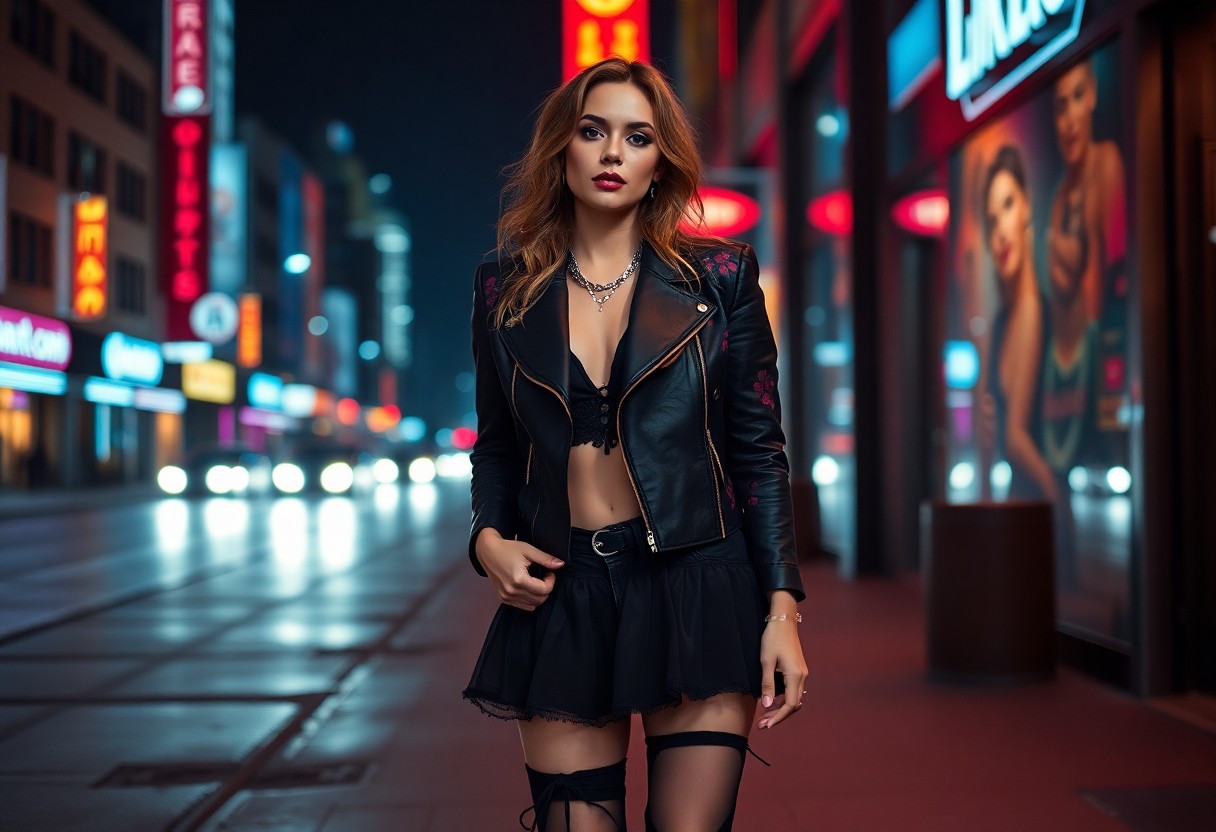
Styling the Edge: From Runway to Streetwear
You adapt runway dark florals into streetwear by trimming volumes, pairing prints with structured outerwear and chunky boots; trust contrasting textures to modernize looks while you watch for snags when combining delicate fabrics with metal hardware.
Juxtaposing Delicate Prints with Industrial Hardware
Mix delicate florals with chains, zippers, and buckles so you get an urban edge; let industrial hardware puncture sweetness while you guard against the risk of tearing fragile silks by using reinforced seams or protective underlayers.
Transitioning Moody Botanicals Across Seasons
Shift moody botanicals between seasons by layering weights, swapping color accents, and anchoring looks with boots or sandals; prioritize year-round versatility and watch for color bleed on mixed-fabric pieces.
Consider shifting moody botanicals by swapping base fabrics—heavy twill for cold months, airy cotton for spring—so you protect print integrity while you adjust silhouettes. You vary print scale to keep proportion: pair large blooms with streamlined coats and small ditsy patterns with oversized knits. Pick deep palettes for winter and introduce lighter accents in spring; prevent damage from color bleed and fabric pilling with gentle, inside-out laundering.
To wrap up
As a reminder, you can make dark florals high fashion by pairing romantic prints with sharp tailoring, contrasting textures, and bold accessories; this approach preserves floral softness while asserting a sleek, modern edge.