
18th Mar 2026
Defining the Mechanics of Ruching
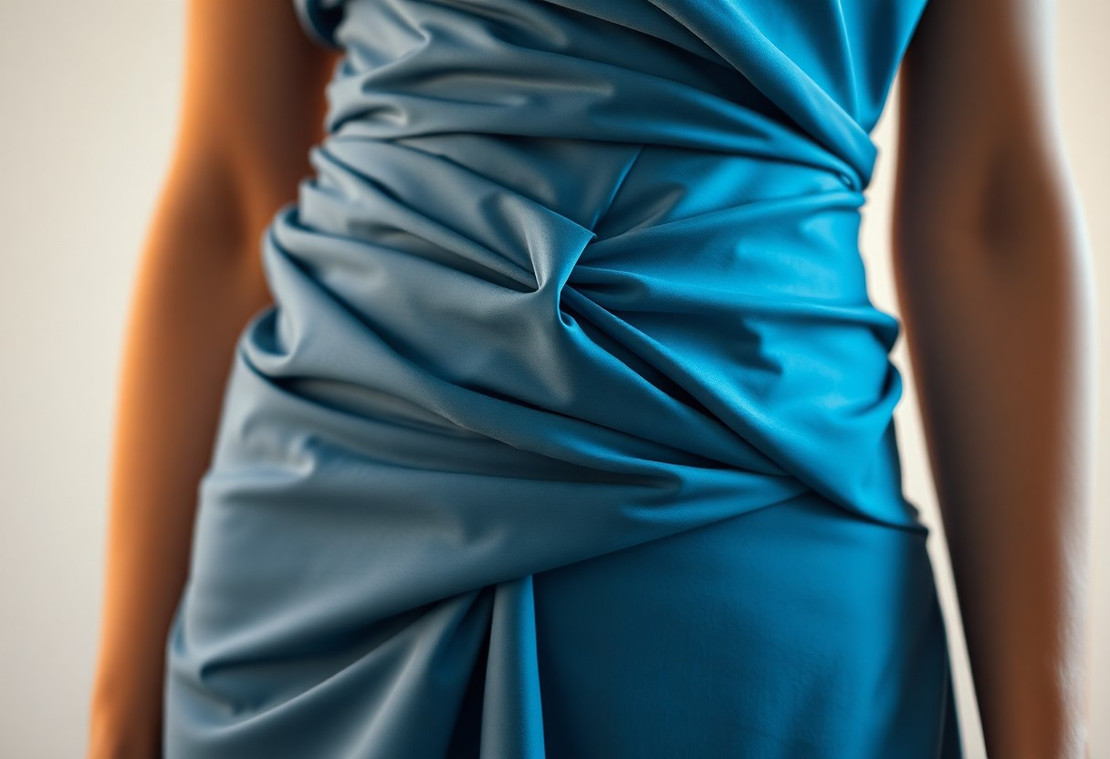
Ruching compresses fabric into repeated tucks so you can sculpt contours and control drape; strategic gathers create flattering lines, while misapplied tension causes visible distortion.
History and Evolution in Couture
Origins in couture taught you to read gathers as both function and ornament; hand-stitched ruches evolved into machine and elastic techniques, preserving artistry while increasing production speed.
Structural Purpose of Elasticized Gathering
Elasticized gathers let you secure garments to the body, offering shape retention and adaptable ease; they absorb movement but demand calibrated tension to avoid fabric failure.
Tension distribution matters: you must balance stitch spacing, elastic width and fabric weight to maintain durability and prevent puckering; testing samples at rest and under strain ensures consistent fit.
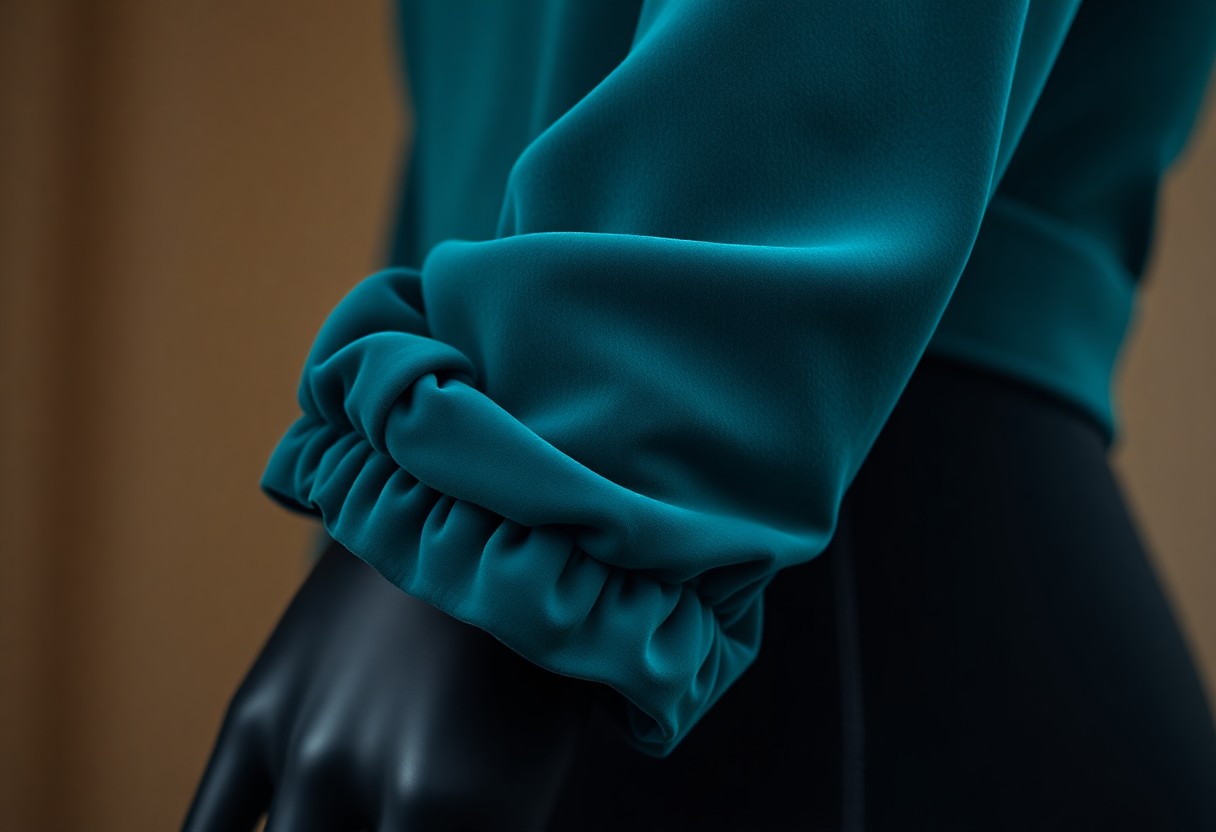
The Physics of Drape and Fabric Behavior
Fabric behavior governs how ruching and drape shape your silhouette; you must balance stretch, weight, and gravity to avoid distortion and bulky seams that break the line.
Understanding Grainline and Bias Cut
A grainline determines stability, while a bias cut adds give; you’ll use the bias for fluid movement and the straight grain for controlled gathers, preventing twisting and misaligned hems.
Impact of Fiber Weight on Fluidity
The weight of fibers affects fluidity: you should choose lighter yarns for soft drape and heavier yarns for structure, noting that sheerness and stiffness impact ruching depth.
Heavier fabrics resist sculpted folds, so you will rely on them for structured ruching and lasting silhouettes; measure fabric GSM or denier to predict drape, test with clamps or pins, and anticipate bulk at seams. Blends and finishes alter the feel—silk blends can add fluidity, while synthetics increase memory. For precise results, you should mock up pieces and adjust gathering ratios to control how fabric pools and puddles on the body.
Sculpting the Silhouette through Strategic Placement
Strategic placement shapes how gathers and drapes interact with your body, letting you accentuate a defined waist or soften problematic zones. You should position ruching to draw the eye inward and use drape to skim curves, producing a tailored silhouette without heavy construction.
Enhancing Natural Curves with Ruching
You can use ruching to trace and accentuate natural curves, placing gathers along the waist or bust for clear definition. Soft vertical ruching lengthens the torso, while diagonal gathers redirect focus away from areas you prefer to minimize.
Controlled Volume and Camouflage Techniques
Place controlled volume where it softens lines, using drape to camouflage bulges without adding bulk. You should balance gathered panels with smooth sections so fullness reads intentional rather than accidental.
Experiment with scale and placement: fine gathers add subtle texture, while broad folds create sweeping volume. You can place pleats at the hip to diffuse width, use vertical drape to elongate, or anchor gathers at seams to control movement. Avoid heavy gathering over the midriff to prevent unwanted bulk, and always test garments in motion for true fit.
Selecting Textiles for Optimal Manipulation
Selecting textiles for gathers means choosing fabrics that respond predictably; you should favor fabrics with fine drape like georgette or lightweight crepe for soft folds and avoid heavy, stiff cloths that resist manipulation. Sheer slippery fabrics require careful handling to prevent runs.
Knits versus Wovens in Gathered Designs
Knits adapt to gathers with built-in stretch, smoothing soft curves; you should use stabilizing stitches to avoid laddering. Wovens create crisper tucks but demand precise ease and pressing. You can blend both in panels for controlled fullness.
The Role of Synthetic and Natural Fibers
Synthetics offer stretch stability and resilience, letting you manipulate gathers without permanent distortion; you must watch heat sensitivity when pressing. Natural fibers give breathable drape and a softer hand but can relax after wear, so you should test samples before committing.
Compare fiber blends: polyester's recovery supports tight ruching, while rayon's fluidity mimics silk; you should balance stretch with memory. Perform abrasion and wash tests, and watch dyes on light fabrics; heat and solvent sensitivity of some synthetics can ruin a gather if you overpress or use the wrong solvent.
To wrap up
You can see how ruching and drape shape clothes to make curves look good, control volume, and make sure they are comfortable. You can also adjust gathers to refine the silhouette, soften lines, and make sure the fit is perfect for your body and movement.