
19th Jan 2026
Elegance Without Excess - Dressing Polished in 2026
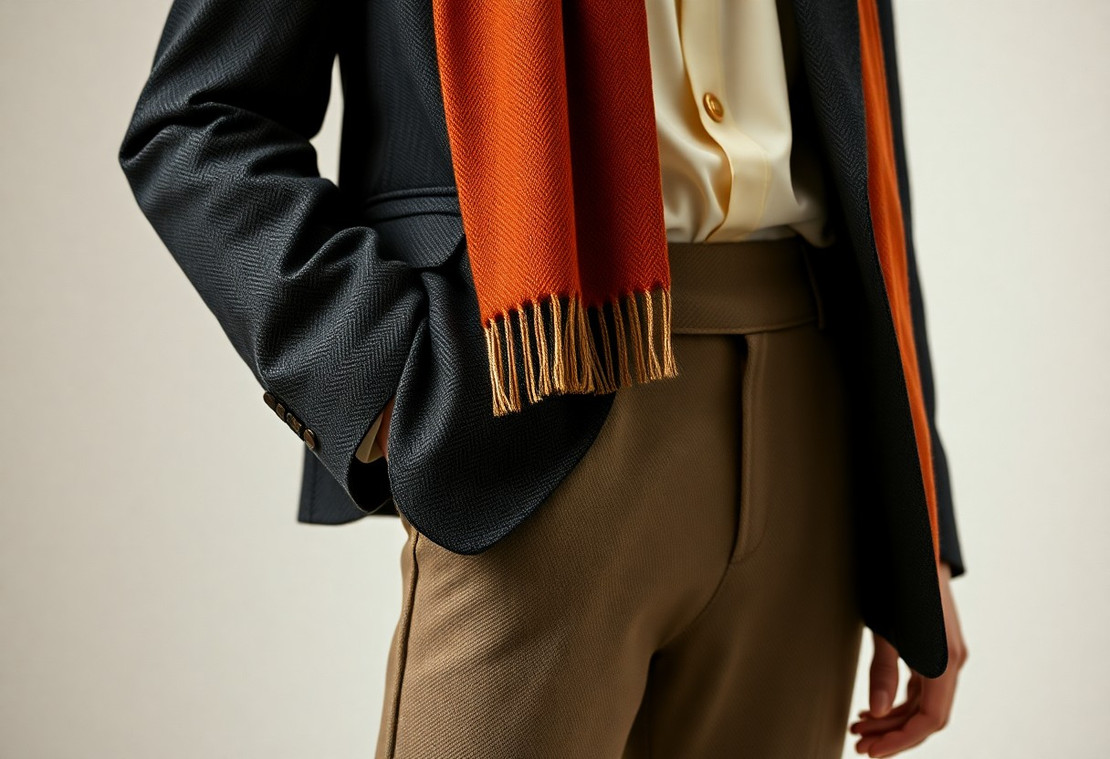
With an emphasis on clarity and restraint, you can craft a polished 2026 wardrobe that prioritizes timeless tailoring, sustainable fabrics, and smart investment pieces while avoiding the danger of fast-fashion excess and impulsive spending; this guide shows you how to balance aesthetics, function, and ethics so your looks stay refined, versatile, and enduring.
The Principles of Elegant Dressing
Focus on fit, proportion and fabric: build a 10-piece capsule of neutrals, invest in three tailored items, and keep accessories minimal. On most occasions, a navy blazer, white shirt, tailored black trousers, and a trench handle are recommended. Aim for 60–80% natural fibers and schedule one alteration per outerwear piece. Regular maintenance—cleaning, sole protection, and timely mending—keeps garments looking new and extends their usable life.
Understanding Timeless Fashion
Prioritize enduring silhouettes—single-breasted blazers, straight-leg trousers, and sheath dresses—and fabrics like 100% wool, Egyptian cotton, and silk. You’ll get more combinations by limiting your palette to three neutrals and two accents; for example, a navy blazer worn 50+ times a year pairs with denim, dress trousers, or skirts. Opt for pieces that survive trends and improve with age.

Balancing Comfort and Style
Start with footwear: choose heels under 2.5 inches or supportive flats with arch support for long days, and pick trousers with 2-5% elastane for movement. Tailor proportions so hems break correctly—poor fit undoes elegance faster than visible wear—and test outfits in real conditions with an 8-hour wear trial to confirm comfort without sacrificing polish.
Layer technical fabrics smartly: Merino wool regulates temperature, while moisture-wicking blends prevent cling, letting you stay polished in variable conditions. Plan one professional alteration—waist or hem—per garment; a $30-$80 tweak often transforms off-the-rack fit. Avoid shoes over 3 inches, which increase injury risk; instead, combine a modest lift with cushioned insoles to preserve posture and endurance.
Key Elements of a Polished Wardrobe
The fit, fabric, and a restrained palette are the key elements that make outfits appear polished. Build around 5-7 core garments—a navy blazer, tailored trousers, a white shirt, a trench, a cashmere sweater and two pairs of quality shoes—and allocate roughly 40% of your budget to outerwear and footwear. Invest in a single tailor visit ($30-$120) to refine proportions. Favor natural fibers: 100% wool, cotton or silk; avoid cheap polyester blends over 30% which fade and pill.
Essential Wardrobe Staples
Start with quantified staples: one navy blazer, two white shirts, two pairs of tailored trousers (one black, one camel), a trench, a midweight knit and a day-to-evening shoe. Choose fabrics you can see: 100% cotton shirts, 100% or 80/20 wool blazers, and leathers marked full-grain. Limit your core palette to three neutrals plus one accent (for example navy, camel, ivory + burgundy) so you can mix at least 30 outfit combinations from a 12-piece capsule.
Accessorizing with Purpose
Be intentional: limit accessories to three per outfit and make each count. Match metals across the watch, belt buckle and bag hardware; choose a watch case of 36-40 mm for most wrists. Opt for a structured bag 25-30 cm wide and belts 1-2 inches in width. Steer clear of logo-heavy pieces that age poorly; instead, pick quality finishes—brushed metal, matte leather—that read refined at a glance.
Go deeper on longevity: rotate at least three pairs of shoes and give each 48 hours of rest to extend leather life; polishing quarterly and professional resoling can add years to footwear. Choose Saffiano or full-grain leather for bags; a $200-$600 investment often outlasts fast-fashion alternatives. Swap one bold accessory—a scarlet silk scarf or signet ring—against a neutral outfit to create focus without overwhelming your look.
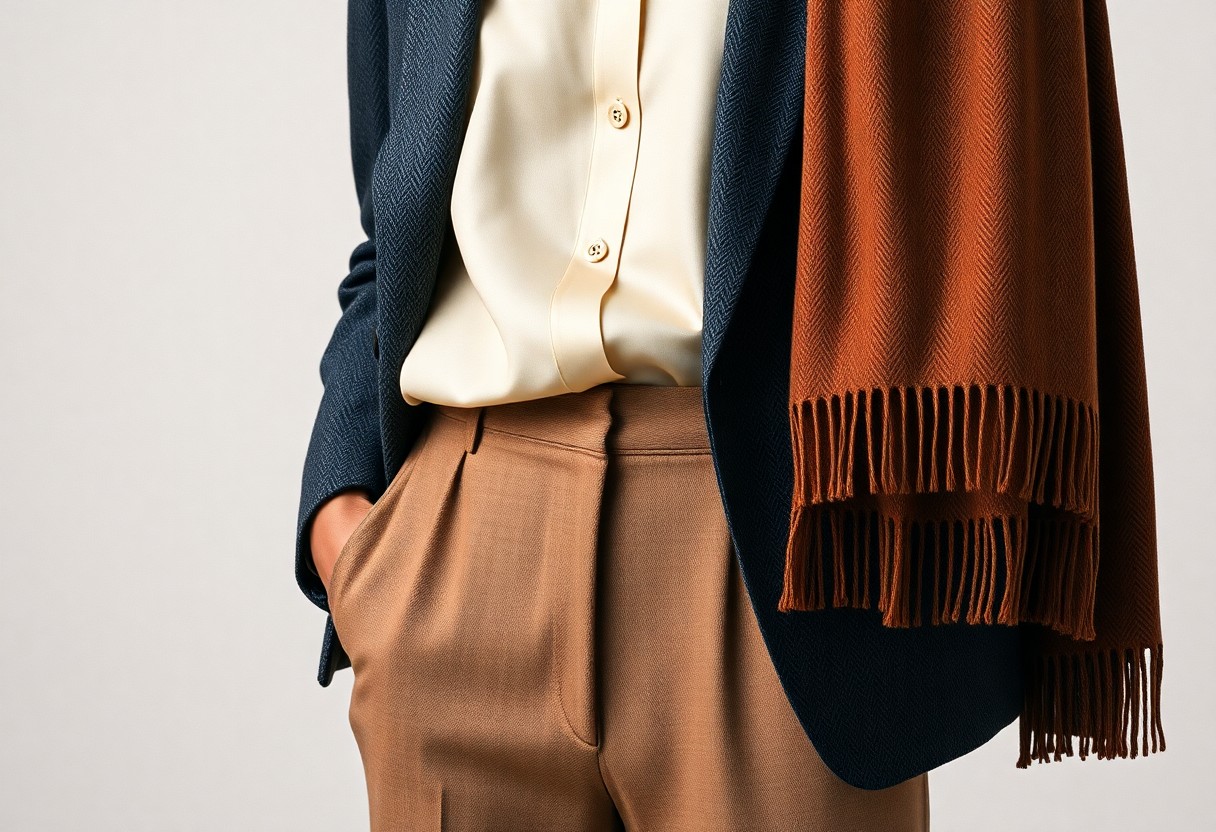
Color and Fabric Choices for 2026
Trending Colors and Their Impact
Warmer neutrals like clay, oat and taupe remain dominant because they anchor outfits across seasons, while accents such as electric teal or digital magenta deliver modern contrast for virtual and IRL moments. You should limit bright hues to one piece per look to keep polish; layered tonal dressing increases perceived value and makes mixing work-from-home pieces with tailored outerwear seamless.
Sustainable Fabrics and Their Suitability
Tencel/lyocell stands out for drape and breathability and is produced in a closed-loop process recovering >99% solvent, making it ideal for workwear and dresses; hemp and linen give durable structure with low water needs; recycled polyester offers weather resistance but sheds microfibers, so reserve it for outer layers and trims rather than next-to-skin pieces.
When you choose materials, check for GOTS, OEKO-TEX or RCS labels to verify claims, and prefer mono-fiber garments for recyclability; wash synthetics in cold cycles, and use a microfiber-catching bag or filter to reduce shedding. You’ll extend garment life by prioritizing repairable construction and choosing fabrics matched to function—linen for breathability, Tencel for drape, and hemp for longevity.
Dressing for Different Occasions
Daytime Elegance: Casual to Business
For weekday meetings, choose a well-fitting navy blazer, white Oxford and gray chinos—pair with brown brogues for a polished look; show about 1/4-1/2 inch of shirt cuff, keep tie width to 2.5-3 inches for formal offices, and switch to a lightweight linen shirt or unstructured blazer when temperatures top 28°C for casual outings.
Evening Attire: From Cocktail to Formal
When events move into the evening, favor darker tones: a charcoal or navy suit for cocktail (typically 6-9 PM) and a tuxedo for formal affairs; polish matters—choose black Oxfords or patent shoes, opt for satin lapels and a bow tie for black tie, and limit accessories to one or two pieces to keep the silhouette sleek.
For a cocktail dress code, aim for a tailored suit in charcoal or deep navy, skip the tie if the venue is relaxed, and select a textured silk tie around 2.75 inches if you wear one; for black tie, you should wear a tux with a shawl or peak satin lapel, black bow tie, pleated shirt and patent Oxfords—small touches like cufflinks, a simple pocket square fold and a well-maintained shoe shine separate polished from sloppy.
Influential Fashion Icons of 2026
Modern Influencers Setting Trends
You follow micro-influencers with 50k-200k followers who pioneer capsule wardrobes and sustainable swaps; TikTok stylists drive viral tailoring clips, reaching 3–7 million views per post. Brands now test limited drops of 300-1,000 pieces with influencer seeding, boosting pre-orders. Pay attention to creators who emphasize fit, fabric composition, and repair tips—those signals predict what will translate from feed to your wardrobe this season.
Historical Icons Reinterpreted
You’ll see 1920s bias cuts, 1960s mod lines, and 1980s shoulder tailoring reworked into cleaner silhouettes; designers pair archival shapes with modern performance fabrics for longevity. Vintage references drive proportion changes rather than ornamentation, so you can adopt a nipped waist or boxy blazer for your daily wear. Be mindful to avoid over-restoring vintage garments, which damages integrity and resale value.
When you adopt historical cues, limit them to one anchor piece paired with modern staples—one vintage jacket, two simple tops, and neutral trousers is a practical formula. Small brands now release seasonal capsules of 5-10 archival-inspired pieces, letting you access heritage without heavy investment. Take care when refreshing vintage: over-cleaning or aggressive alterations will damage fabrics and value, so consult a conservator or trusted tailor before drastic changes.

Maintaining a Minimalist Approach
The Art of Less is More
Aim for a core of 25-35 pieces—roughly 7 neutral tops, 3 jackets, 4 trousers, 2 skirts, 4 shoes and 2 bags—to create maximum combinations with minimal items. You’ll notice the 20/80 rule: about 20% of your clothes get 80% of wears, and studies show a small capsule can cut dressing time by up to 20 minutes daily. Prioritize quality over quantity, choosing durable fabrics and timeless cuts that flatter your shape.
Decluttering Your Wardrobe
Start with a four-bin system: keep, tailor, donate, and recycle, and apply a 12-month no-wear rule—if it sat untouched for a year, try it on and decide. You should remove items with irreparable stains, holes, or moth damage because they threaten other garments. Organize seasonal pieces into labeled storage and limit off-season boxes to five to avoid hidden accumulation.
Set a 2-hour timer for focused sorting, handle each garment, and ask if it pairs with at least three outfits; if not, list high-value pieces on resale sites like Vestiaire or TheRealReal, donate wearable items within 30 days, and spend up to $30 on tailoring for true staples—anything costing more to fix than to replace should be removed. Photograph and log what remains to curb future impulse buys.
Summing up
Ultimately you refine a modern, polished wardrobe by prioritizing fit, quality fabrics, thoughtful tailoring and restrained accessories; in 2026, clarity of silhouette and purposeful versatility let your style convey confidence without excess, enabling you to appear composed in any setting while minimizing waste and maximizing wardrobe longevity.