
8th Jan 2026
Elevate Your Career Wardrobe for the January Reset with Office Siren 0.

The January Reset: Elevating Your Professional Wardrobe
During the January reset, you should go through your closet to change how you look at work. Focus on classic, well-fitting pieces, get rid of clothes that don't fit or are worn out, and buy statement pieces that make you feel more confident and show that you are competent and ambitious.
Getting to Know the January Reset
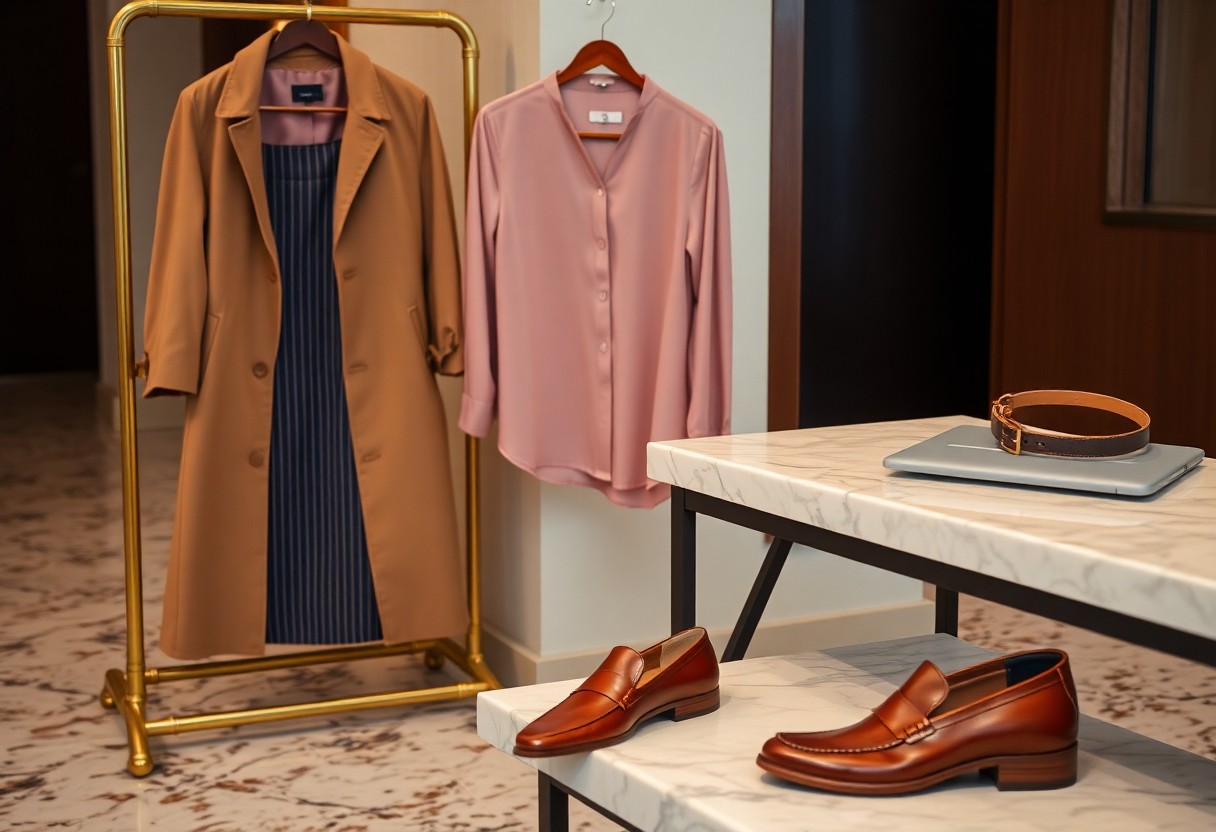
January is a good time to change up your work wardrobe quickly because stores have sales after the holidays, brands release new work collections, and Q1 hiring and projects mean you need polished looks right away. Focus on staples that work in all seasons, like tailored blazers, midweight coats, and versatile shoes. This way, you can take advantage of sales and be ready for interviews, presentations, and new responsibilities without spending too much.
Why January is the Best Month to Change Your Wardrobe
January is a good time to buy work clothes because stores are clearing out their stock and often offer big discounts. It's also a good time to set new goals and attend networking events. Try out different gift cards, return windows, and exchange policies. Buy one statement blazer and one neutral staple, wear them to work, and then keep the one that fits better to make sure you get your money's worth.
The Mental Benefits of a New Beginning
Changing your clothes can help you think and act better right away. Research on enclothed cognition shows that clothes can change how you pay attention and act, and first impressions can be made in as little as seven seconds. So, getting a few new pieces of clothing can make you feel more confident and competent in interviews and meetings.
In Hajo Adam and Adam D. Galinsky's 2012 "enclothed cognition" study, people who wore a lab coat that they thought was a doctor's coat did better on tasks that required sustained attention than people who wore the same coat but didn't think it was a doctor's coat. That shows that the symbolic meaning you give to clothes is important. To see measurable improvements in focus and presence, wear clothes that make you feel like you have authority, like a structured blazer, a crisp shirt, or polished shoes.
Important Items for an Office Wardrobe
Start by making a list of the most important items you'll wear all month: a tailored blazer, a crisp white shirt, fitted pants, and a structured coat. To cover meetings and presentations, you should have two blazers (navy and charcoal), three work shirts, two pairs of pants, one leather tote that fits a 13–15" laptop, and one pair of leather pumps with a 2–3" heel.
Important Basics for Being Professional
Choose fabrics and cuts that keep their shape: blazers made of a mix of wool (50–70% wool) resist wrinkling, shirts made of 100% cotton or cotton blends with 2–3% elastane keep your collar crisp, and pants with 1% stretch make them more comfortable. Put fit ahead of style. For a cleaner look, make sure the shoulder seams are straight and the pants are hemmed to the ankle. Don't wear heavy polyester suits; they can sag and look cheap in office lighting.

Accessories That Improve Your Look
Choose a few high-quality accessories that can change the look of simple outfits. For example, a structured leather tote, a classic watch, two slim belts (one black and one brown), a pair of simple stud earrings, and a small silk scarf. To look professional and show that you pay attention to detail, limit the number of visible pieces to 2–3 accessories per outfit. Choose metals that aren't too bright and make sure the details fit your frame.
When you mix accessories, it's important to find the right balance. A simple collar goes well with a bold necklace, and a patterned scarf goes well with a solid blazer. For your neck or bag, choose a silk scarf that is 90×90 cm. For suit pants, choose belts that are 2.5–3.5 cm wide. And always keep your shoes polished; polished leather shows that you are competent. You can change five outfits without buying new clothes by switching out one accessory each week.
New Year's Color Trends
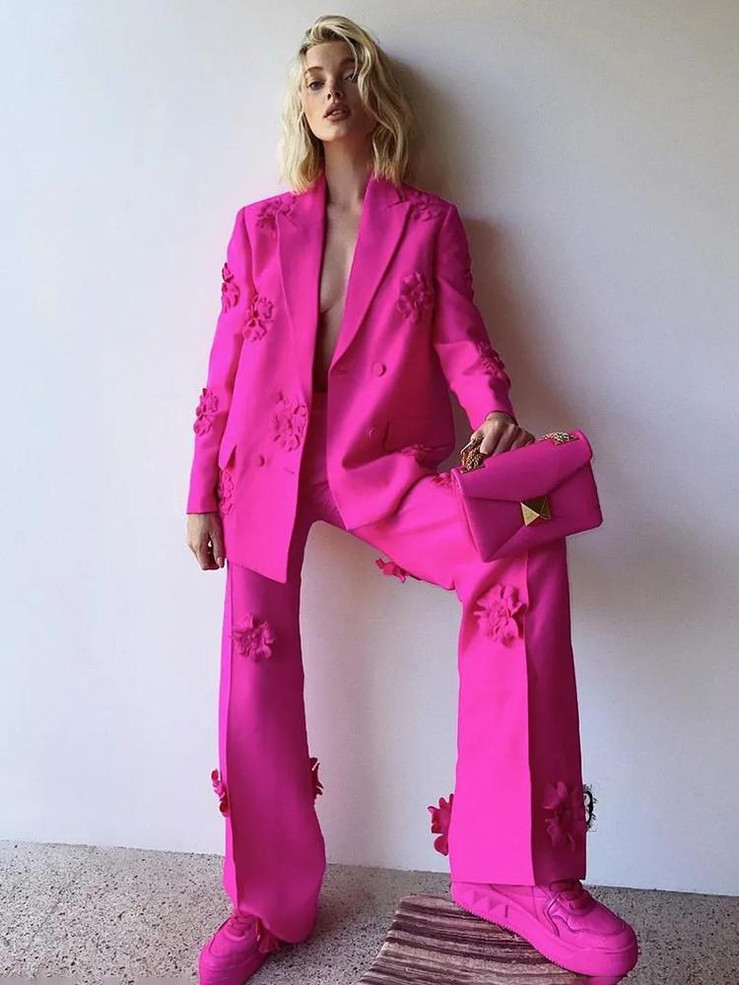
Along with soft pastels like dusty peach and lavender, jewel tones like emerald and sapphire are becoming more popular. Warm neutrals like camel and warm gray are also becoming more popular. For the office, you can use a single bright piece or follow the 60/30/10 rule to keep things looking neat: 60% base neutral, 30% secondary, and 10% accent. Avoid neon and overly bright colors that can be distracting during meetings; instead, use bold colors as controlled accents.
Colors That Make You Feel Confident
Navy and charcoal show competence in customer-facing roles, while deep burgundy and forest green show authority without being aggressive. For presentations, you can wear a navy blazer with a light blouse. For interviews, you can wear a burgundy sheath to subtly show that you are in charge. Try out different combinations in natural light and see which colors make people more likely to interact with you. Changing the colors by one or two shades can change how people see you.
How to Add Color to Your Clothes
Add one colored item to each outfit to start. For example, wear a sapphire blouse under a charcoal suit or a bold scarf with neutral separates. To find the right balance of boldness, use the 60/30/10 framework: 60% base, 30% secondary, and 10% accent. Before you buy something big, try switching ties, pocket squares, or socks to see how people react. For high-stakes meetings, try to stick to two accent colors at most so your look stays together.
You should put fabrics and scale first: silk and fine knits look more elegant than loud synthetics, and patterns that are bigger look bolder from a distance. Start with three colored items: a blouse, a tie or scarf, and a light sweater. Change them out every season. To keep a clear visual hierarchy, don't wear more than one pattern per outfit and don't match colors too closely between accessories. This will keep you visible without looking too styled.
Fit: How Important It Is
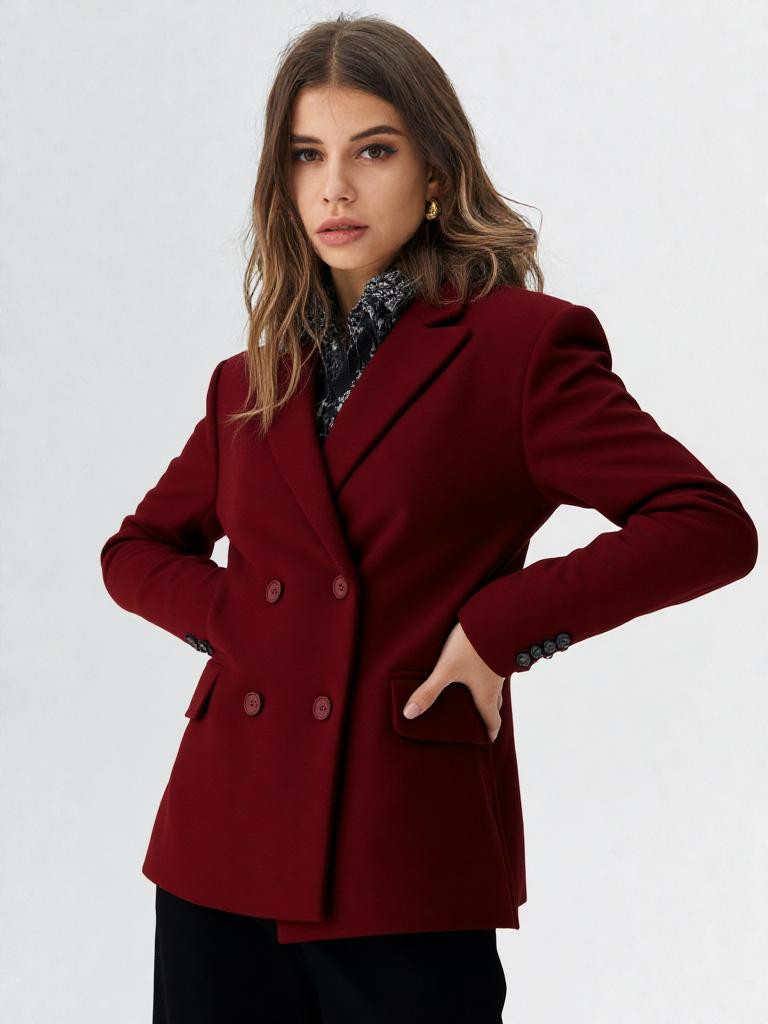
When your clothes fit right, they work for you. For example, a blazer with sleeves that are 1 to 2 inches shorter and a waist that is 1 to 3 inches smaller changes your shape and makes you feel more confident. It often costs less to hire a professional to make changes than to buy new clothes. You should know that visible shoulder misalignment is the biggest problem and the hardest to fix. On the other hand, hems and waist adjustments are easy to make. This makes targeted tailoring one of the best things you can buy for your career wardrobe.
How to Find the Right Tailoring Services
You should look for tailors who show before-and-after photos, list average prices ($15–$150 depending on the task), and promise to finish the job in three to fourteen days. You should also ask if they specialize in suits, casual wear, or custom work and if they offer fitting appointments. Read 4–5 recent reviews and ask for references for clothes that are similar to yours. Shoulder work costs more, and hem work is common. This helps you save time and avoid hidden fees.
How to Tell Someone What You Want in a Fit
You should bring a favorite piece of clothing and some reference photos, wear the shoes you'll wear with it, and give specific measurements and mobility needs, like saying that you need 1–2 fingers of ease at the jacket button or 2–3 cm at the trouser waist. You should also ask for pins during fittings and write down any movements you do every day, like reaching or sitting. Use simple words to describe how the clothes fit (snug, relaxed, tailored) and point to parts of the body. This gives your tailor clear instructions on how to get the results you want.
You can improve communication by pointing out specific problem areas (like shoulder seam alignment, jacket waist taper, and pant rise) and asking for a basted or pinned fitting before the final stitches. Keep in mind that shoulder changes can be expensive (often $100 to $300) and may require getting a new jacket, while hem and waist changes are cheap and can be undone. To avoid surprises, ask your tailor to write down the measurements and label the changes for future orders. This keeps your budget safe and makes sure the fit is always the same.
Planning Your Career Wardrobe Budget
Set a goal: set aside 2–4% of your yearly salary to buy new clothes. If you make $60,000 a year, that's $1,200 to $2,400 a year. Set a limit of $300 for trendy purchases and make sure you have 8 to 12 versatile pieces that cover 80% of your workweek. Keep track of your spending in a simple spreadsheet, and make sure to include the costs of common repairs ($20–$100) and basic care so you don't get any unexpected bills.
How to Shop Smart
Buy things at the end of the season when there are clearances and sample sales where you can save 40–70% on good items. Sign up for retailer alerts to find flash sales, look for off-price stores and local consignment shops where blazers are sold for 30–60% off retail, and always check the fabric content. Look for 100% wool or wool blends and at least 2% elastane for comfort.
Making Smart Choices About Quality vs. Quantity
Try to buy 2 to 3 high-quality staples, like a blazer, trench coat, and leather shoes, that will last 3 to 5 years or more. Then fill in the gaps with things that cost less than $60. This mix will cut down on how often you need to replace things by about 50%. When you compare prices, look for reinforced seams, full linings, and leather soles. Also, think about the cost of care, like resoling and dry cleaning.
For instance, a $400 wool blazer that you tailor and wear once a week for two years can cost less than $1 per wear, while four $100 blazers that fade and lose shape can cost more over time. Check the construction: matched patterns at the seams, a full canvas or half canvas chest, and clean sleeve heads are signs of durability. Brands with good construction often keep 30-50% of their resale value after 2-3 years.
Putting Together Your Capsule Wardrobe
Start by narrowing down your closet to a small number of versatile pieces. Many stylists suggest a 30-40 piece capsule that has three neutral colors and two accent colors so that everything goes together. You'll have less time to make decisions in the morning and get more use out of higher-quality purchases. Put your blazer, tailored pants, and dark denim at the top of your list, and keep a simple rotation for seasonal changes to keep things consistent and last longer.
What is a Capsule Wardrobe?
A capsule wardrobe is a carefully chosen set of clothes that can be mixed and matched to make the most outfits with the fewest pieces. A well-made 30-piece set can make more than 200 outfits. You'll have less stuff in your closet, shopping will be easier, and you'll pay less per wear. A navy blazer can be worn with three different tops and two different bottoms, which instantly gives you more outfit options. The real benefit is that you can be more efficient while still controlling your style.
How to Make Your Own Capsule Collection
First, look through your closet and get rid of anything you don't wear. You should keep 8–12 tops, 3–5 bottoms, 2–4 outer layers, 2–3 dresses or skirts, 4–6 pairs of shoes, and about 10 accessories. Then choose a color scheme (three neutrals and two accents), get rid of things that don't fit or work for your workweek, and set aside 30–40% of your budget for tailoring and 20–30% for shoes and outerwear. To get the most out of your money, buy clothes that can be worn in a lot of different ways and stay away from trends that don't last.
To get your January back on track, start with a list of about ten essential items: a navy blazer, a white button-down shirt, charcoal trousers, dark jeans, a camel coat, a black pencil skirt, two cashmere knits, loafers, ankle boots, and a leather belt. To test out combinations, try putting together outfits for seven days. If something doesn't work twice, get rid of it. Buying a tailored blazer and some nice shoes will make the biggest difference in your weekday look right away.
In Short
You can now use the "Office Siren" aesthetic as the basis for your January Reset. Choose pieces that show competence and confidence to improve your work wardrobe. Focus on versatile tailoring, statement accessories, and a simplified color palette so that your looks can easily go from meetings to networking. Use good maintenance habits to make your clothes last longer. This reset will help you make an immediate impact on your professional image and help it grow over time.