
2nd Feb 2026
Glamoratti Revival - ’80s Power Dressing Is Back

Most fashion observers note the ’80s power-dressing revival gives you direct rules: adopt structured tailoring, exaggerated shoulder pads and bold colors to project authority, but balance these elements to avoid overpowering proportions that can dominate your frame; mix vintage pieces with modern cuts, invest in quality fabrics, and use accessories sparingly to ensure your silhouette reads confident, contemporary, and intentionally controlled.
The History of Power Dressing
By the 1980s, as corporations expanded and more women moved into leadership, wardrobes shifted toward assertive silhouettes: structured shoulders, tailored jackets, and bold proportions. Giorgio Armani and Donna Karan (founded 1985) translated menswear techniques for women, while TV shows like Dynasty (1981-1989) broadcast the aesthetic. You saw clothing become a direct signal of influence, with design choices-lapel width, shoulder line, waist nip-used to communicate authority in the workplace.
The Origins in the ’80s
Shoulder pads, wide lapels and double-breasted cuts emerged at the intersection of corporate ambition and runway innovation; designers like Armani and Thierry Mugler pushed geometry into everyday wear. Mass-market brands then adapted those elements into ready-to-wear, making the silhouette ubiquitous by the mid‑1980s. You learned to read status through proportion: broad upper lines and clean tailoring signaled competence, while fabric and finish modulated approachability.
Iconic Figures and Styles
You associate the era with faces and names: Margaret Thatcher (PM 1979-1990) in conservative suits, Princess Diana mixing strong shoulders with romantic blouses, and Joan Collins on Dynasty turning opulence into televised aspiration. Designers from Mugler to Gianni Versace amplified drama with sharp tailoring and vivid prints, and actresses channeled those shapes into film and television, making the look both aspirational and widely imitated.
Delving deeper, pad placement raised the shoulder line, peaked lapels widened the torso visually, and double‑breasted jackets created a decisive V silhouette. You can see how modern revivals refine those choices: pads are subtler, fabrics lighter, and proportions tuned so that power reads as intentional rather than overwhelming, preserving authority while avoiding excess.
Key Characteristics of ’80s Power Dressing
You'll notice the era centers on exaggerated shoulders, sharp tailoring, and bold colors, with signature pieces like double-breasted blazers, padded coats, and high-waisted trousers. Designers borrowed heavy wool, silk blends and glossy satins to create a pronounced silhouette; on screen, shows like Dynasty and figures such as Joan Collins made the look iconic. When you adopt these elements, balance is vital: mix one statement piece with muted staples to avoid visual overload.
Bold Colors and Patterns
You can revive the era by choosing hot pinks, cobalt blues, power reds or acid greens as focal points, pairing them with neutral bases. Think 1980s staples like pinstripes, houndstooth and large geometrics; for example, combine a neon blouse with a charcoal suit to modernize the contrast. Practical tip: limit loud prints to one item-jacket or skirt-to maintain polish while channeling the decade’s maximalist energy.
Structured Silhouettes
Shoulder pads, peaked lapels and nipped-in waists define the structure you’re aiming for, often seen in double-breasted blazers and tailored power coats. You should use belts, cinched waists or peplum details to restore proportion when shoulders are exaggerated, and consider fabric weight—wool or gabardine holds shape best. Too-large shoulders can overwhelm petite frames, so scale padding to your proportions for a commanding, not overpowering, look.
For deeper tailoring, study proportions: designers like Balmain and Saint Laurent have repeatedly echoed 80s structure on runways, proving that shoulder-to-waist ratio matters. You can ask a tailor to add subtle padding (1-2 cm) or reshape lapels for a modern fit; alternatively, choose blazers with built-in waist shaping if you want less alteration. Practical examples: pick a single-breasted blazer with a 2-3 button stance for daily wear, and reserve double-breasted, heavily padded jackets for statement occasions.
Modern Interpretations of ’80s Fashion
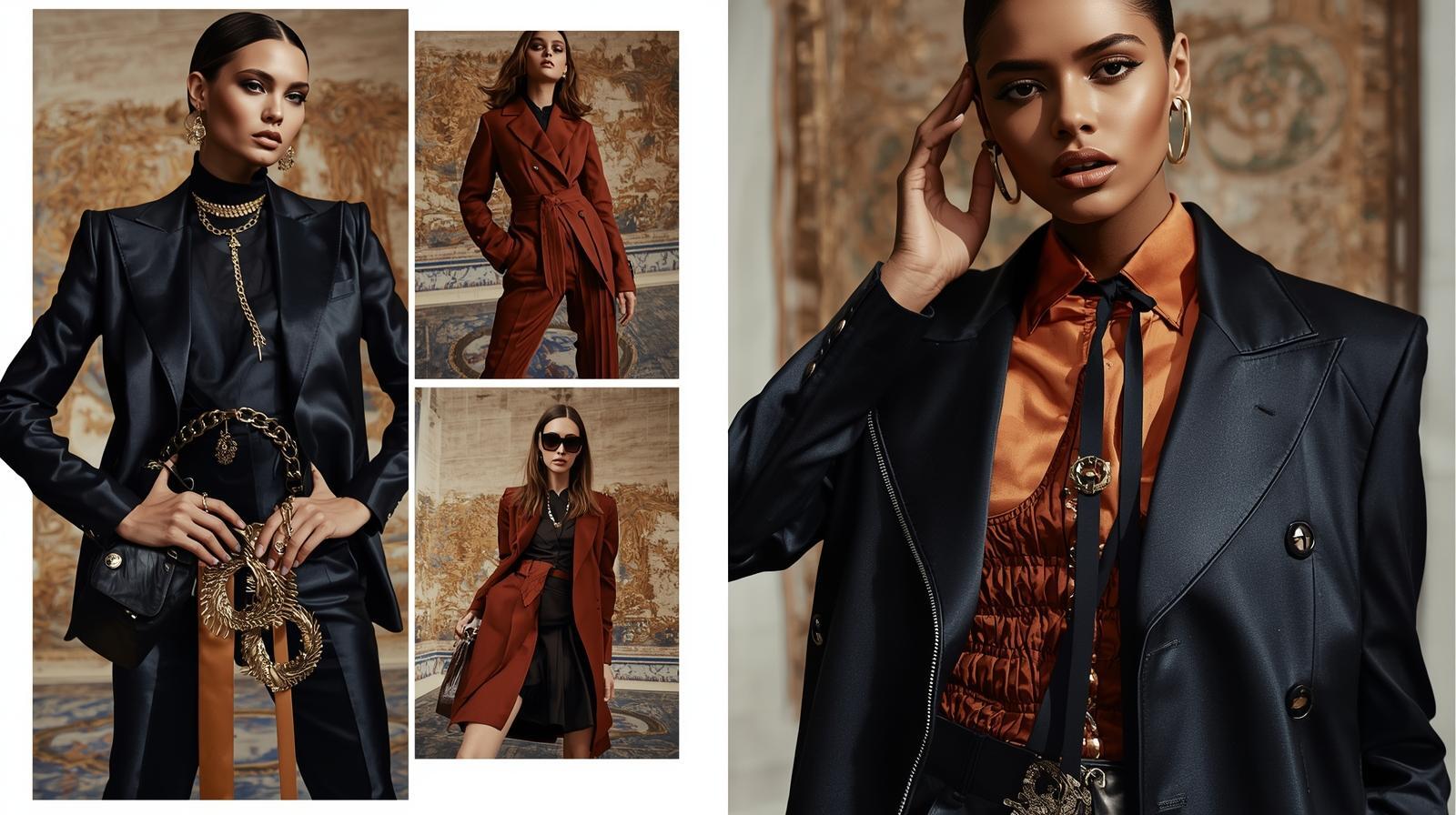
You’ll notice designers temper the decade’s excess into wearable statements: oversized shoulders meet slim, high-waist trousers, sequins are paired with minimalist heels, and neon accents surface as deliberate pops rather than full looks. In recent seasons (2021-2024), runways blended archival references with clean tailoring, so you can adopt one element—sharp blazers or metallic eveningwear—without committing to head-to-toe retro, keeping your wardrobe both bold and contemporary.
Influential Designers Reviving the Look
Olivier Rousteing at Balmain and Donatella Versace have reintroduced strong-shoulder silhouettes, while Anthony Vaccarello at Saint Laurent channels sleek, evening-ready power dressing. Jeremy Scott at Moschino and Miuccia Prada inject playful motifs and exaggerated proportions into ready-to-wear. Studying the Fall/Winter 2022-2024 collections reveals a clear theme: designers are recalibrating statement shoulders, sharp tailoring, and metallics for modern audiences.
Celebrity Endorsements and Trends
Rihanna, Zendaya, and Dua Lipa have each amplified ’80s touches through red-carpet suits, stage costumes, and campaign looks, driving mainstream interest. You’ll see immediate influence: stylists translate runway shoulder pads into street-ready blazers and sequined tops, and social feeds amplify these moments so that single celebrity outfits can set seasonal trends. Bold celebrity exposure remains one of the fastest ways to normalize revival pieces in everyday wear.
Beyond red carpets, you can track the revival through tour wardrobes and fashion campaigns: Rihanna’s stage ensembles and Dua Lipa’s disco-inflected visuals push sequins and shoulder-focused jackets into streaming playlists and storefronts alike. Street-style photography at Fashion Weeks often captures influencers pairing oversized blazers with sneakers, creating looks you can replicate. Pay attention to capsule collections and limited drops—those collaborations often translate runway nostalgia into accessible pieces you’ll actually wear.
Styling Tips for Embracing the Revival
You can channel 80s power dressing by pairing a sharply tailored blazer (think 2-inch shoulder pads) with high-waisted cigarette pants and a silk blouse; designers from Giorgio Armani to Thierry Mugler defined this look in the mid-1980s. Use one statement element—like power shoulders or bold prints—and keep the rest streamlined to avoid visual overload. Petite frames should avoid extreme proportions since oversized shoulders can overpower your silhouette and create imbalance. Any time you choose a dominant shoulder, counterbalance with fitted hips or a cinched waist.
- Structured blazers: pair with slim bottoms to keep the silhouette modern.
- Power shoulders: try removable pads to experiment with scale.
- Bold prints: use one large-scale print per outfit to avoid clutter.
- Statement accessories: belts, brooches, and cuffs update vintage tailoring instantly.
- Glamoratti: mix satin or leather textures with tailoring for daytime edge.
Mixing Vintage and Contemporary Pieces
You should limit vintage anchors to one per look—like an authentic 1984 blazer—then pair it with contemporary fits such as slim-leg jeans or tapered trousers from high-street brands; use a simple 1:2 ratio (one vintage piece to two modern items) to stay current. Tailoring can reduce shoulder span by 1-2 inches, and updating linings or buttons preserves structure while improving comfort, so test alterations before committing to a full restoration.
Accessorizing for Impact
You should prioritize one bold accessory—for example, a 40 mm buckle belt or oversized tortoiseshell sunglasses—and layer subtler pieces like thin gold hoops or 2-3 stacked rings; layering 2-3 chains gives depth without clutter. Use textures such as a satin scarf or leather gloves to link eras, and test proportions in daylight to ensure a balanced face-to-shoulder relationship. Statement belts and brooches deliver instant authority with a structured blazer.
For evening, swap a daytime belt for a jeweled clutch or a single bold cuff and keep one metal dominant when mixing metals; pairing pearls low with a choker nods to classic Glamoratti glamour. Try clip-on pads or a 2-inch metallic brooch to centralize attention, and avoid more than three oversized elements so your silhouette stays readable—exceeding that risks a cluttered effect.
The Cultural Significance of Power Dressing Today
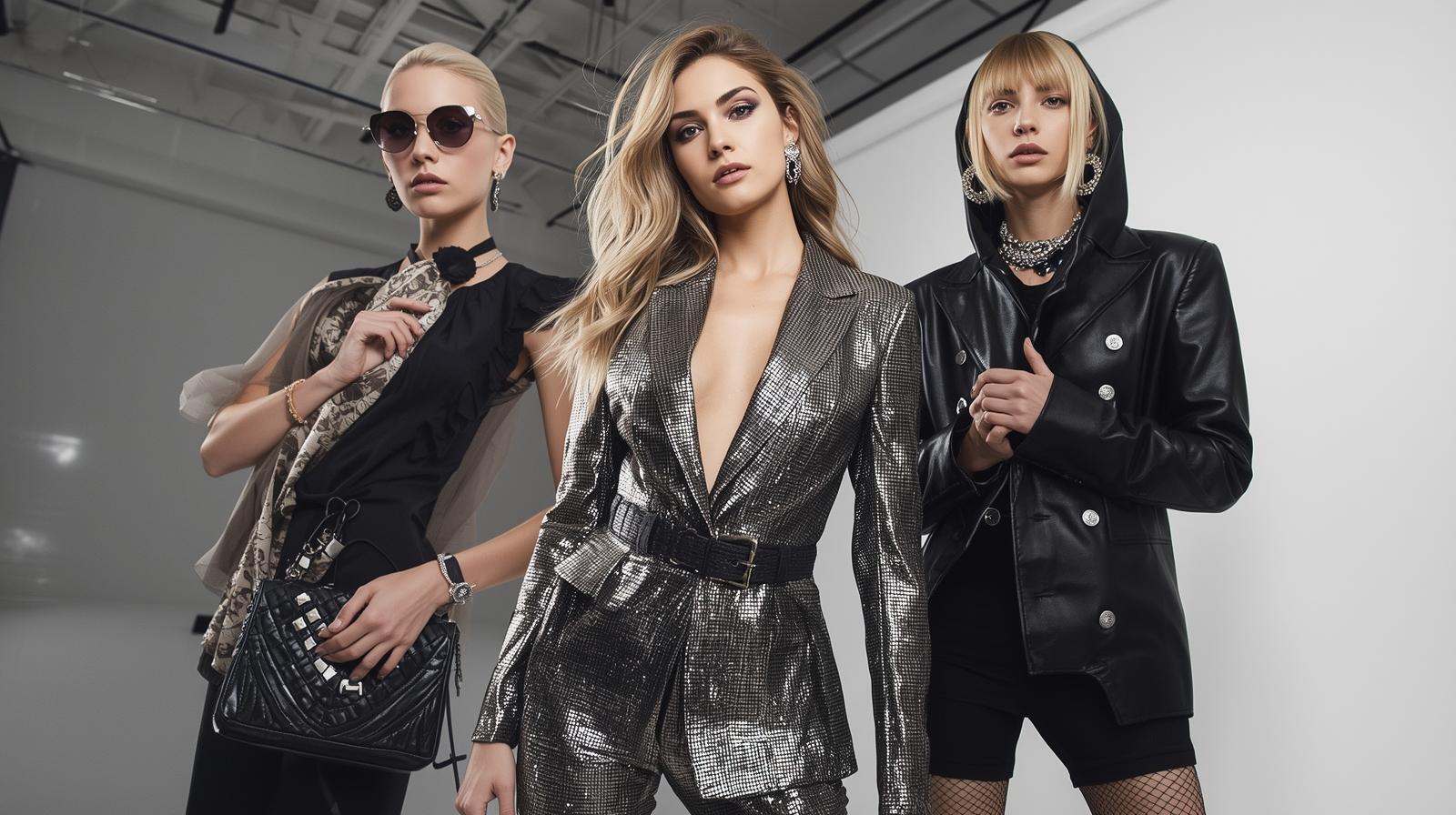
Across politics, media and street style, you witness power dressing acting as both social currency and critique: Kamala Harris’s suits and Balmain’s shoulder-forward collections turn silhouettes into statements. Designers and platforms push 1980s tailoring back into circulation, letting your wardrobe signal authority, confront entrenched gatekeeping, and offer empowerment through deliberate silhouette choices.
Gender Representation in Fashion
Designers like Harris Reed and brands such as Telfar have foregrounded gender-fluid tailoring, and you now see more trans and nonbinary faces—Indya Moore, Rain Dove—fronting campaigns and runways. This shifts sizing, cuts and marketing toward inclusivity, while the industry must still reckon with tokenism when representation is performative rather than systemic.
The Return of Confidence in Fashion Choices
Social platforms and runway cycles have made you bolder about mixing vintage 1980s blazers with streetwear, translating sartorial risk into visible self-assurance; TikTok trends and celebrity moments accelerate that shift. Enclothed cognition research shows clothing affects mindset, so your choices can directly boost perceived competence and self-confidence, even as they expose persistent appearance bias.
More specifically, the 2012 Enclothed Cognition study by Hajo Adam and Adam Galinsky found that wearing formal attire changes cognitive performance and increases abstract thinking, meaning your structured blazer can alter how you think and act in meetings. Meanwhile, runway examples-Balmain’s shoulder emphasis and Telfar’s genderless approach-create templates you can adapt, turning vintage tailoring into practical tools for visibility and career-forward presentation.
To wrap up
Following this resurgence, you can harness the Glamoratti Revival by integrating structured shoulders, bold silhouettes, luxe fabrics and statement accessories into your wardrobe; you’ll project confidence while updating classic ’80s power dressing with modern tailoring and proportion. Adopt selective pieces that suit your frame and lifestyle so your looks feel intentional, polished and unmistakably contemporary.