
5th Feb 2026
Gold Everything - The Return of Yellow Gold Jewelry
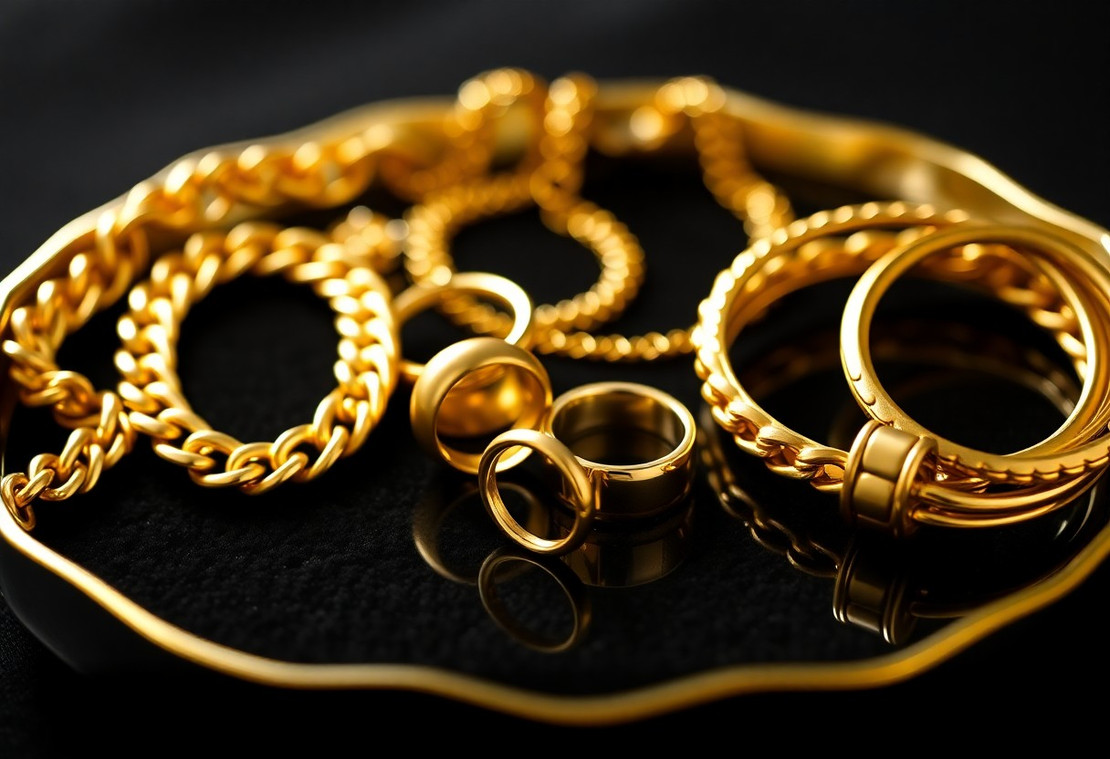
Jewelry's resurgence means you should reconsider yellow gold for both style and value; the major trend is a full-scale comeback of warm yellow gold, offering timeless versatility you can wear day-to-night. As you shop, watch for worn-off gold plating and low-karat alloys that can irritate skin or mislead on value. Embrace solid pieces for longevity—solid yellow gold holds resale and sentimental value while resisting tarnish, making it a smart, stylish choice.
The history of yellow gold
You can trace yellow gold to the Varna Necropolis (c. 4500 BCE) and through Egyptian and Near Eastern treasures, where it defined royal identity and monetary systems; artisans prized 24k (≈99.9% pure) for its unmatched luster, while everyday objects moved toward harder alloys. Over centuries, you see cycles where cultural meaning, metallurgy, and practicality intersect—shaping everything from coinage standards to ornamental techniques that still influence how you use gold today.
Origins and cultural significance
Across civilizations you encounter gold as sacred and sovereign: Egyptians linked it to eternity, the Inca described it as the "sweat of the sun," and Roman and Byzantine coinage institutionalized its economic power. When you study pieces like funerary masks or imperial solidi, you find iconography and inscriptions that signal status, ritual function, and long-distance trade networks—concrete evidence of gold's dual symbolic and fiscal roles.
Decline and past metal trends
Twentieth-century aesthetics and functional demands shifted preference away from yellow gold toward white metals: Art Deco's 1920s embrace of platinum set a precedent, and by the 1990s-2000s rhodium-plated white gold and platinum dominated engagement rings and mainstream lines. Retail assortments changed as designers sought harder alloys and cooler palettes, so you witnessed a sustained reduction in yellow-gold market presence.
Technical details explain much of that decline: 18k is 75% gold and 14k is 58.3% gold, so you faced a trade-off between color and durability; jewelers used rhodium plating (typically around 0.5-2 μm) to create white finishes, but that plating wears off and generally needs replating every 6-18 months with regular wear. High-karat yellow gold (24k) is soft and prone to scratches, so you had to balance purity, maintenance and longevity when choosing metals.
Why yellow gold is back
You’re seeing yellow gold return because it ties emotional nostalgia to tangible value: vintage staples like the Cartier Love (introduced in 1969) and 1990s hip‑hop chains resurfaced in retail and resale markets. Designers and high‑street brands leaned into warm metals while consumers chased longevity—14K and 18K remain popular because 14K is more durable and 18K delivers richer color, whereas 24K is very soft. Watch for plated pieces: low‑quality gold plating can wear and expose allergenic base metals, so you should always check hallmarks before buying.
Fashion cycles and nostalgia
You can spot motifs from the 1990s and Y2K era everywhere: chunky chains, hoop earrings, signet rings, and layered lockets that dominated streetwear and high fashion. Contemporary jewelers have reinterpreted heritage cues from hip-hop and red carpet eras, propelling vintage pieces and reinterpretations into mainstream demand. If you hunt the market, you’ll notice authentic vintage pieces often command premiums because collectors value original hallmarks and patina over mass‑produced reissues.
Celebrity influence, social media, and runway adoption
You watch celebrities like Rihanna, Beyoncé, and Zendaya and trend‑setting men such as Harry Styles wear bold yellow gold, and that visibility translates fast: designers from Gucci and Versace put gold statements on the runway while social platforms amplify them to millions. One viral reel or red‑carpet photo can sell out similar styles within hours, so you should verify karat stamps and buy from trusted retailers to avoid knockoffs or problematic alloys.
You can trace the mechanics: stylists pick yellow gold because it warms skin tones on camera and reads as luxury in editorial photos, while platforms like TikTok and Instagram convert visibility into sales through shoppable links and affiliate pushes. Brands such as Mejuri and Missoma scaled direct‑to‑consumer yellow‑gold lines to meet that demand, offering 14K options for daily wear and 18K pieces for richer tone; you should prefer 14K if durability matters and 18K if color depth is paramount. Historical signals—from 1990s hip‑hop chains to Cartier’s classics—serve as proof points that cultural moments create sustained demand, but be wary: gold‑plated fast fashion often loses its finish within months and can cause allergic reactions, so always check hallmarks like “14K,” “18K,” or “750” before committing.
Design, styling and wearability
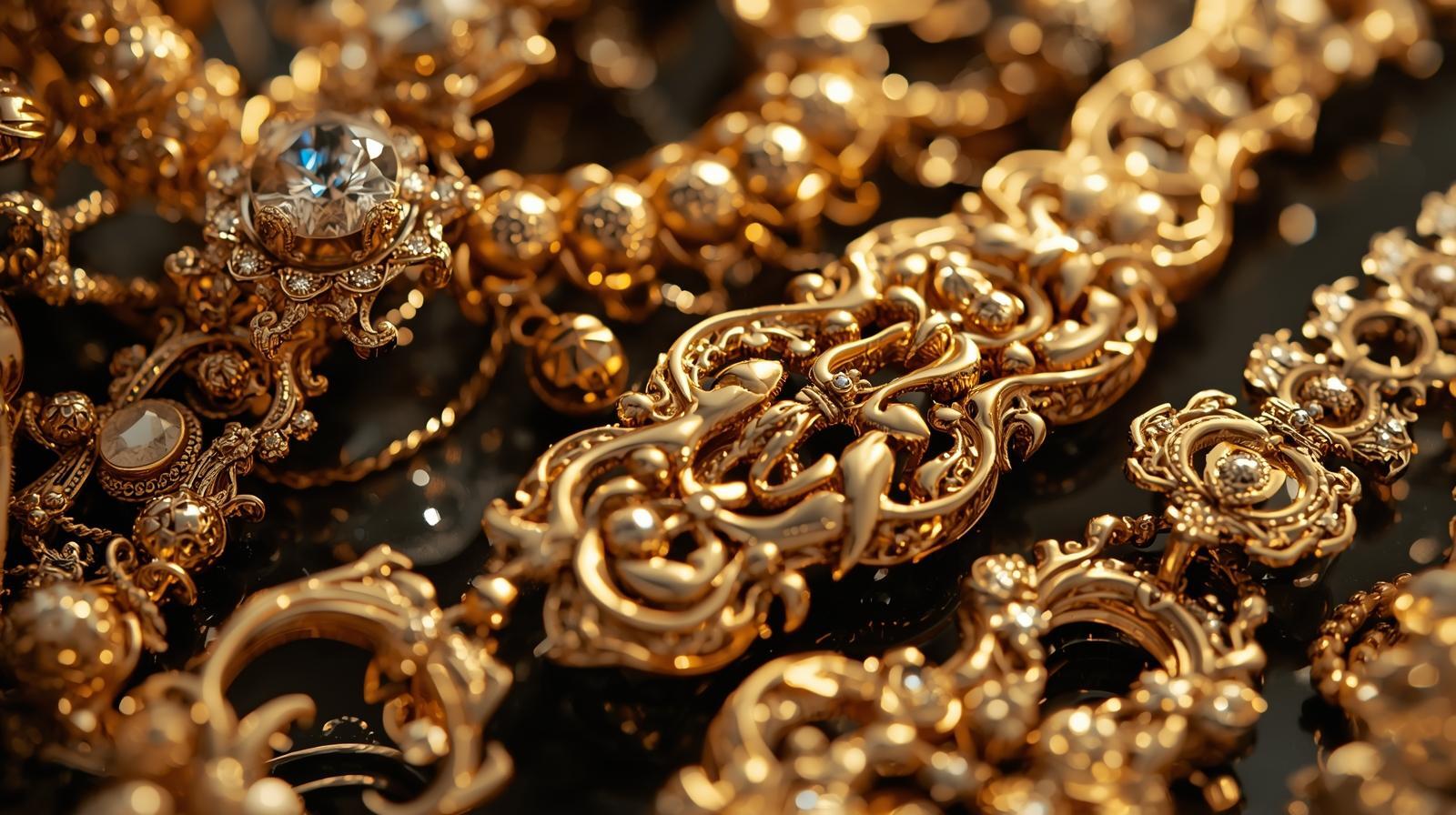
You’ll notice yellow gold’s comeback spans delicate chains to architectural cuffs, and that affects how you wear pieces: choose chain widths from 0.8 to 3.5 mm for layering and 5 to 12 mm for standalone chains, pick ring shanks of 2 to 6 mm for daily comfort, and prefer 14k gold (58.3% gold) for durability or 18k (75% gold) when you want a richer tone despite the softer metal.
Everyday layering to statement pieces
You can build a repertoire using measured lengths—try 16", 18", and 24" chains to avoid tangles—and stack bracelets in 6.5-7.5" sizes. For rings, mix thin 1.5-2 mm bands with a single 8-12 mm cocktail piece. When layering, let one piece be the anchor and scale others down; this is how you keep casual looks wearable while reserving bold, sculptural items for evenings.
Mixing metals, finishes and gemstones
You’ll get the strongest visual impact by pairing yellow gold with white gold or platinum as accents; diamonds act as a neutral bridge, while warm stones like citrine, ruby or amber amplify the gold tone. Combine high-polish with satin or hammered finishes for contrast, and consider a 2:1 ratio of yellow to cool metal when you want the gold to remain dominant.
Technically, mixing succeeds when you anchor a look in one metal and layer accents in another—Cartier’s Trinity ring is a classic case study showing enduring appeal. If you wear white-gold accents, note rhodium plating often needs reapplication every 6-24 months with daily wear; also factor in karat: 14k (58.3%) withstands scratches better than 18k (75%). For gemstones, pair yellow gold with warm hues—sapphire, emerald and ruby all read elevated, while diamonds and pearls provide versatile, neutral balance.
Market dynamics and value
You should track purity, branding and macro flows because they drive price volatility: gold is priced by the troy ounce (1 troy ounce = 31.1035 grams) and retail pieces typically carry premiums that can exceed 100% of melt value for designer or vintage items. Central bank accumulation and demand in India and China periodically tighten supply, while fashion cycles and limited-edition drops create short-term scarcity that lifts resale prices.
Manufacturing, hallmarks and quality grades
You can read real value in the stamps: 999/24k denotes nearly pure gold; 750/18k equals 75% gold; and 585/14k is 58.5%. Vermeil, plated, and filled pieces wear differently and affect long-term worth. High-end houses (for example, Buccellati or Bulgari) combine 18k alloys, hand-finishing and laser welding, which increases labor costs and gives you a measurable premium over mass-produced cast items.
Investment, resale and collector demand
You should expect different outcomes: selling to a refiner gets you only melt, while consignment or dealer sales typically return about 50–70% of original retail; iconic brand pieces (e.g., vintage Cartier or Tiffany) often command 60–80% of retail or trade above melt due to collectability. Auction results can exceed typical channels when provenance, rarity or design drive demand.
You can calculate the melt value precisely: melt = weight (g) × spot ( $/troy oz ÷ 31.1035) × purity fraction (0.75 for 18k). Then factor in taxes, assay fees and buyer commissions—typically 5-20%—and add any documented provenance or original box/receipt, which can increase resale by roughly 10-30% for desirable makers.
Craftsmanship and modern production
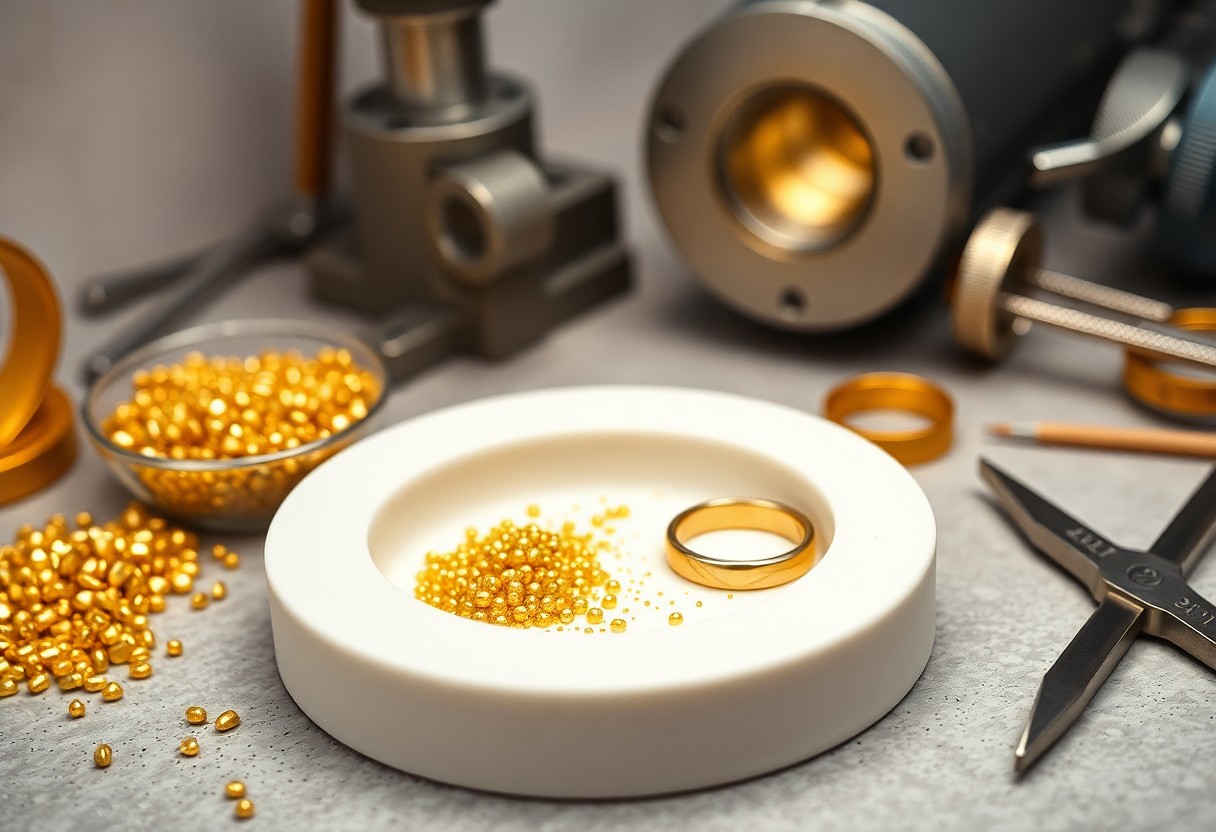
You’ll see yellow gold’s comeback driven by the interplay of old and new: 18k gold is 75% pure gold for a warm, buttery finish versus 14k, which is 58.3% for greater durability, while workshops pair hand-forging with CAD/CAM and 3D printing. Prototyping that used to take weeks can now be done in days, laser welding speeds repairs and micro‑finishes, and you should watch for alloys with nickel if you have sensitivities; hallmarking still guarantees metal content.
Traditional goldsmith techniques vs. contemporary design
You’ll notice techniques like granulation, filigree and hand-raising produce textures that machines struggle to mimic, often taking 20-60 hours per piece, whereas CAD-driven design lets you iterate quickly and produce exact duplicates; prototyping can drop to 1-3 days plus finishing. Houses such as Cartier and smaller ateliers combine both: a CAD model for consistency and then hand-finished surfaces and stone-setting for that artisanal depth, which often commands a 20-50% premium.
Customization, small-batch and artisanal makers
You can order bespoke yellow-gold pieces with typical lead times of 4-8 weeks and a deposit of 30-50%, and micro-brands limit runs to 50-200 pieces per collection to keep uniqueness. Many artisans prioritize recycled gold and provide CAD renders or wax prints for approval; demand for traceability means you should ask for an assay stamp or RJC documentation before committing.
More detail: the bespoke workflow usually starts with a consultation and sketches, moves to a CAD render and a 3D-printed wax or resin prototype, then to lost-wax casting and hand-finishing; expect custom fees from roughly $100 to $1,500 plus metal and stones, and turnaround influenced by complexity and stone sourcing. You can reduce risk by requesting hallmark photos, chain-of-custody certificates, and a documented revision timeline before payment.
Sustainability, ethics and care
Supply chains now determine the real value of yellow gold; ask for stamped provenance and chain-of-custody documentation when you buy. Several industry standards—Fairmined, Fairtrade Gold, the RJC and LBMA Good Delivery—give you verifiable pathways from mine to market. Insist on audits, traceability numbers or blockchain-backed records for high-value pieces, and factor in repairability and recyclability when choosing designs to ensure your jewelry remains responsible over decades.
Responsible sourcing and traceability
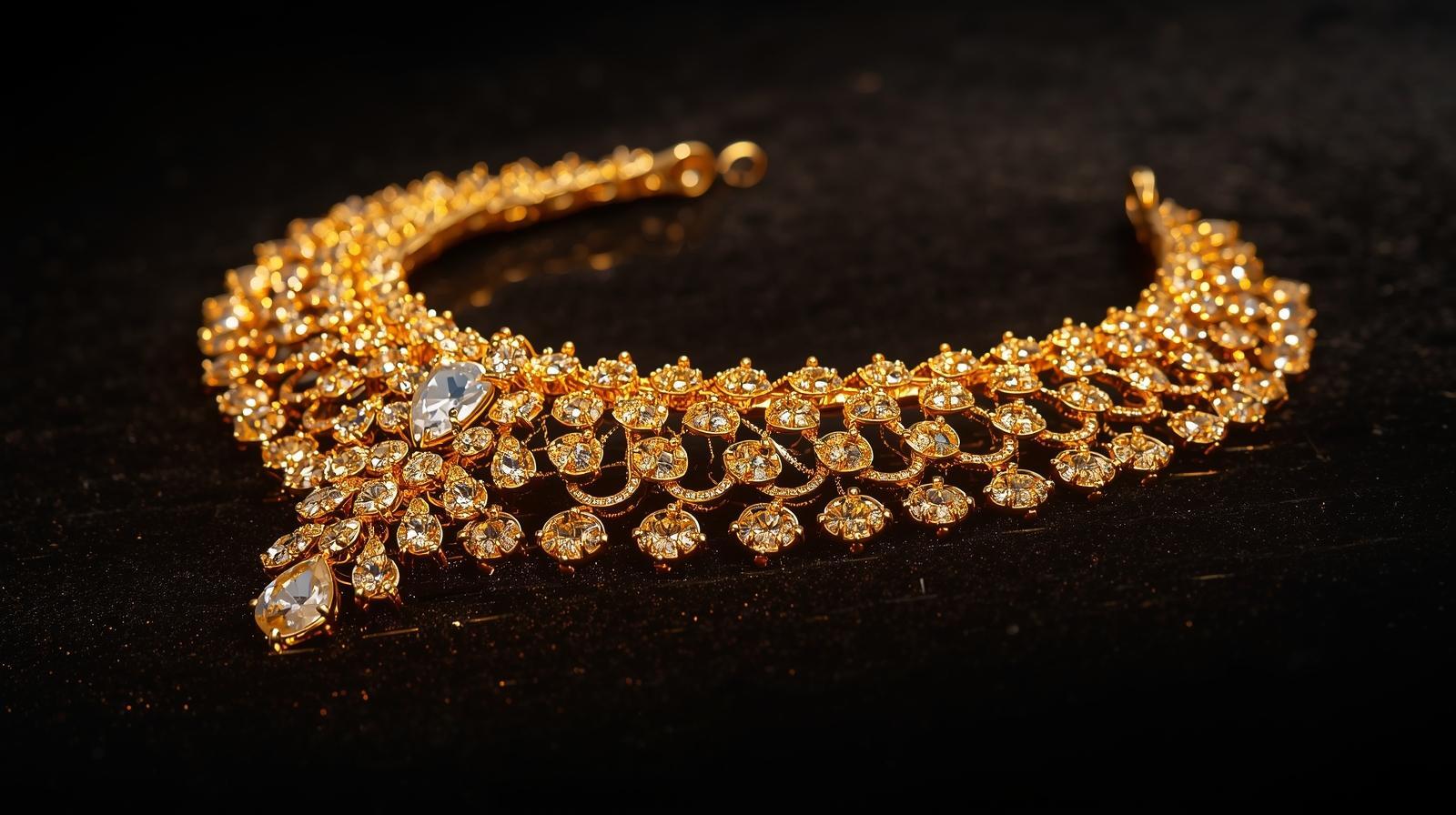
You should check origin claims aggressively: about 15-20% of global gold comes from artisanal and small-scale mining (ASM), which carries high social and environmental risk unless certified. Ask jewelers for documents that prove they follow RJC/LBMA rules or have Fairmined/Fairtrade labels, and prefer brands that use outside checks or blockchain systems (like Everledger or MineHub) to trace their gold back to the mines
Maintenance, cleaning and long-term stewardship
Because durability depends on karat—24K (pure) is very soft, while 18K (75%) and 14K (58.3%) hold up better—you should tailor care: soak in warm water with a drop of mild dish soap for 10-15 minutes, brush gently with a soft toothbrush, then dry with a lint-free cloth. Avoid household bleach and pool chemicals (chlorine can pit alloys), and skip ultrasonic cleaners for porous or fracture-prone gems like emeralds and pearls.
For long-term stewardship, get professional inspections and appraisals every 3-5 years, use laser welding for delicate repairs, and store pieces separately in soft pouches to prevent scratches; professional polishing every 1-2 years restores finish without excessive metal loss. You should also document hallmarks (e.g., "750" for 18K) and keep purchase receipts and provenance files to protect resale value and enable responsible recycling later.
To wrap up
Conclusively, the return of yellow gold means you can confidently invest in pieces that elevate both everyday and formal looks; its timeless warmth complements diverse skin tones and modern silhouettes, and by choosing well-crafted styles, you protect your aesthetic and resale value—embrace mixing gold weights and textures to make your personal collection feel current and enduring.