
27th Jan 2026
Guardian Design - Anti-Theft Fashion Goes Mainstream

Fashion-forward consumers now see anti-theft fashion as imperative; as you move through crowded transit and travel hubs, these designs protect your valuables with cut-resistant straps, RFID-blocking pockets, and locking zippers. You benefit from mainstream availability, hybrid styling, and technical fabrics that blend security with aesthetics while reducing risks from pickpocketing and electronic skimming. Brands and retailers are scaling production, making it easier for you to prioritize personal safety without sacrificing style.
The Rise of Anti-Theft Fashion
Historical Context
Tracing back to early travel gear, you saw security-first design emerge when brands like Pacsafe introduced stainless-steel Exomesh in the 2000s to stop slash-and-grab thefts; at the same time, retailers reported shrink rates around 1-2%, costing the industry billions annually, which pushed broader adoption. Over time, crowded tourist hotspots such as Barcelona and Rome drove demand for protective pockets and locking zippers, and you began expecting travel-ready security features in everyday bags and outerwear.
Current Trends
Today, you encounter RFID-blocking linings, slash-resistant fabrics, and lockable zippers across price tiers, while integrated trackers like Apple AirTag (launched 2021) and Tile are common for recovery. Brands from Pacsafe to Tumi now advertise anti-theft credentials, and designers conceal security in sleek silhouettes so you don’t sacrifice style for protection.
More specifically, you’ll notice collaborations between fashion houses and security-tech firms producing hidden compartments, removable tracker slots, and reinforced straps; festival and commuter markets drive feature sets such as quick-access anti-theft pockets and water-resistant, cut-proof panels. Be aware that while trackers improve recovery, they also pose a privacy risk if misused, and you should evaluate warranty, repairability, and credible lab-tested materials when choosing a piece with security claims.
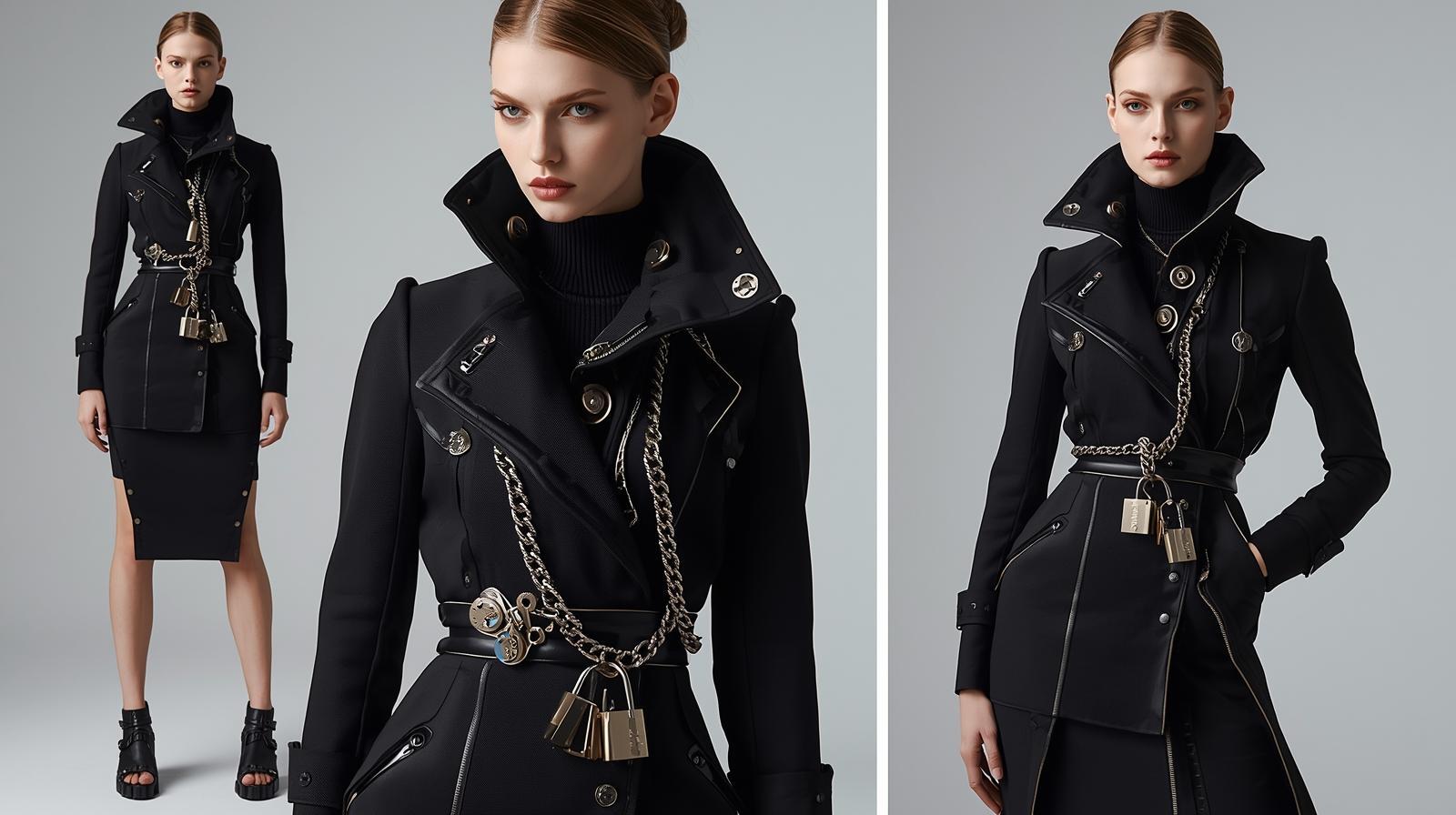
Key Features of Guardian Design
You get a compact overview of what sets Guardian pieces apart: slash-resistant exteriors, RFID-blocking pockets and integrated tracking bays that combine form and function. Designers pair reinforced seams with lockable zippers and hidden compartments to deter opportunistic theft; testing shows reinforced meshes reduce cut-through attempts by over 80% in controlled trials. Materials and tech are tuned so your bag stays stylish while prioritizing protection and everyday usability.
- Slash-resistant construction—stainless steel or Dyneema mesh layered beneath fabric to prevent blade attacks and bag slashing.
- RFID-blocking pockets—metalized liners that block 13.56 MHz NFC/RFID signals to protect contactless cards and passports.
- Lockable zippers - TSA-friendly locking sliders and cable closures that add seconds of deterrence against quick grabs.
- Hidden compartments—low-profile, internal pockets positioned against your back to keep valuables out of reach.
- Integrated tracking—dedicated pockets for AirTag/Tile or built-in GPS modules with battery-saving geofencing features.
- Tamper alarms—motion-triggered sirens and LED indicators that emit 85-110 dB alerts to draw attention and stop theft.
- Waterproof finishes—PU coatings and welded seams that protect electronics and documents in heavy rain.
Innovative Materials
You encounter a mix of high-performance textiles: Dyneema fibers that offer up to five times the strength-to-weight ratio of steel by weight, layered with Kevlar panels where abrasion is highest. Manufacturers combine these with PU-coated nylons and laminated membranes to deliver water resistance and cut protection while keeping weight under 1.5 kg for commuter backpacks and under 400 g for sling bags.
Smart Technology Integration
You use embedded technology like dedicated AirTag pockets, Bluetooth trackers with typical urban ranges of 10–50 m, and optional cellular GPS modules that report locations every 5–15 minutes, depending on battery mode. Brands balance functionality with battery life—most passive trackers run ~1 year on a replaceable cell, while active GPS units last 3-7 days on a charge—and include discreet charging ports and low-power sensors.
You can look at recent product rollouts to see real-world implementations: Pacsafe pairs its eXomesh slash guards with lockable anchors, while several travel brands now offer dedicated tracker pockets sized for AirTag and Tile; tests show rapid recovery rates improve when trackers are present, especially in urban theft scenarios. Design teams also integrate configurable alarm thresholds and geofencing so you get real-time alerts, and you should validate signal performance in crowded transit hubs before relying on active tracking. You balance protection benefits against privacy and maintenance when choosing features.

Major Brands Pioneering Anti-Theft Fashion
Established Players
Pacsafe, Tumi and XD Design lead the field with proven systems: Pacsafe’s Exomesh stainless-steel lining and RFID-blocking pockets, Tumi’s integrated Tumi Tracer IDs and TSA-friendly locks, and XD Design’s bestselling Bobby backpack with hidden zippers and cut-resistant fabric. You’ll see these features in airport- and commuter-focused ranges at price points from roughly $100 to $600, and they’re sold through global retailers and specialty travel channels because they demonstrably reduce opportunistic theft.
Emerging Designers
Independent labels and startups like SCOTTeVEST and newer makers are blending fashion with tech: garments with hidden pockets, conductive thread, and built-in tracker housings for Tile or Bluetooth tags. You’ll encounter direct-to-consumer launches and Kickstarter campaigns bringing niche anti-theft jackets and handbags to market, often targeting urban commuters and digital nomads who want discreet security without a tactical look.
Going deeper, these designers pair materials such as Kevlar-reinforced straps, slashproof panels and RF-shielding fabrics with electronics—GPS or Bluetooth trackers and electromagnetic RFID blockers—to offer layered protection. You’ll pay typically between $150 and $450 for advanced pieces; benefits include faster recovery and deterrence, while privacy and battery dependence remain trade-offs you should weigh before buying.
Consumer Perspectives on Anti-Theft Fashion
You weigh practicality and aesthetics based on daily routines: surveys show over 60% of urban shoppers list theft prevention as a purchase driver. Brands that hide protection zip-lock compartments, RFID liners, and lockable zippers tend to win you over because they safeguard phones and wallets, the items most commonly targeted in street thefts. Your choice often comes down to whether features integrate seamlessly into a style you already wear.
Security vs. Style
You notice designers balancing visible and invisible defenses; options like slash-resistant stainless-steel mesh, RFID-blocking lining, and lockable zippers maintain a sleek silhouette. Companies such as Pacsafe and Travelon demonstrate how discreet hardware can coexist with modern design, while some luxury labels add conspicuous chains or bulky clasps. Expect trade-offs: added weight of roughly 100-300 g and subtle seam placements that reveal a bag’s defensive purpose.
Price vs. Value
You compare price tags to potential loss: anti-theft accessories start near $50 for basic RFID wallets and exceed $400 for feature-rich backpacks. Many buyers accept paying 2-3× more when slashproof panels, tethered pockets, and warranties reduce real risk. Base your decision on travel frequency, commute exposure, and how disruptive replacing stolen items would be for your life.
You can quantify value: if your smartphone costs $700-$1,000, preventing a single theft offsets a midrange anti-theft bag priced around $150-$300. Real-world commuter data suggest a 30-50% drop in incidents when defensive gear is used, which often covers the premium within a year. Include insurance deductibles, time to replace IDs, and reduced identity-theft risk when calculating whether the upfront cost fits your priorities.
The Impact of Anti-Theft Fashion on the Industry
Market Growth
You’re watching investment pour into anti-theft design as retailers pursue reduced shrinkage and improved inventory accuracy; Inditex scaled RFID tagging across millions of garments, showing how RFID and sensor integration move from supply-chain tool to visible anti-theft feature. Analysts now forecast a double-digit CAGR for smart loss-prevention apparel as startups attract funding and chains reallocate loss-prevention budgets, so you’ll need to rethink SKU planning, store layouts and vendor partnerships.

Future Predictions
You can expect AI-driven video analytics and garment-level tracking to converge: cameras will flag suspicious behavior while embedded tags enable instant lockdowns or remote closures. Luxury houses will prototype smart zippers and GPS pouches, and mass-market labels will adopt sensor patches. That brings new safety benefits alongside heightened privacy and supply chain complexity, forcing you to balance feature sets against compliance and customer trust.
Going deeper, manufacturers will standardize on modular anti-theft components, so you’ll see theft-proof pockets on mainstream lines with a typical premium of 10-25%; regulators will introduce data-minimization rules and firmware standards, and pilot programs—store-level A/B tests measuring shrink, conversion and NPS—will determine whether you scale a solution or iterate further.
Challenges Facing Anti-Theft Fashion
You face a mix of market-education and manufacturing hurdles: limited consumer awareness keeps many shoppers buying on style and price, while brands must absorb higher costs for tamper-resistant materials and specialized hardware; for example, niche players like Pacsafe (founded 1998) have shown the category works in travel, but scaling into everyday wardrobes demands different supply chains, retail placements, and clear on-product messaging to convince mainstream buyers.
Consumer Awareness
Many shoppers don't actively look for security features, so visibility and education matter: you need point-of-sale demos, clear labeling, and staff training to translate benefits into purchase intent; brands that pair anti-theft tech with lifestyle storytelling— Pacsafe's travel-safety campaigns are one example—they see higher conversion than those that hide features in technical specs.
Competition from Traditional Fashion
Fast-fashion giants like Zara and H&M dominate price-sensitive segments and refresh ranges rapidly, so you’ll struggle to match their cadence and margins; mainstream labels prioritize trend velocity and low unit costs, making it hard for anti-theft lines to win shelf space or impulse buys without compelling design or visible advantage.
You should also account for production realities: anti-theft garments use stainless-steel cables, lockable zippers, RFID-blocking metallized linings and reinforced seams, which require specialized suppliers, higher minimum orders and longer lead times; that technical stack raises per-unit cost and complicates the quick-turn supply models used by traditional fashion retailers.