
14th Jan 2026
Leopard Print Is the New Neutral - 5 Ways to Wear the Season’s Biggest Pattern
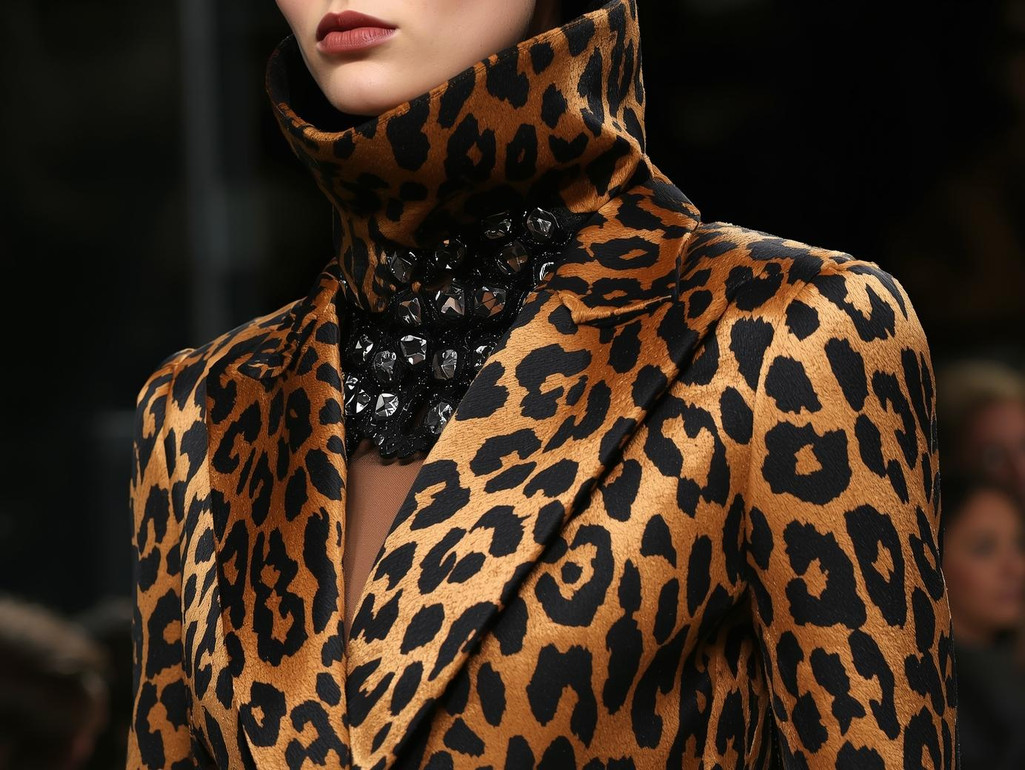
Just because leopard is bold doesn’t mean you can’t make it foundational; you can treat it like a neutral by pairing it with solids, tonal accessories and classic silhouettes. This guide shows how to balance scale and proportion, when to start small with accessories, and what to avoid so you don’t overwhelm your look. Use these tips to make leopard lift your wardrobe with confidence.
Understanding leopard prints as neutral
When you treat leopard as a neutral, it functions like beige or black: anchoring outfits while adding texture and personality. Use one patterned piece against two solids—try a leopard coat with a navy suit and white shirt—or limit leopard to accessories to avoid overwhelming a look. Materials matter: silk and satin read dressy, and knit and faux fur read casual. Fashion editors report a 70/30 rule works well—70% solids, 30% leopard—for balanced, wearable outfits.
The Versatility of Leopard Print
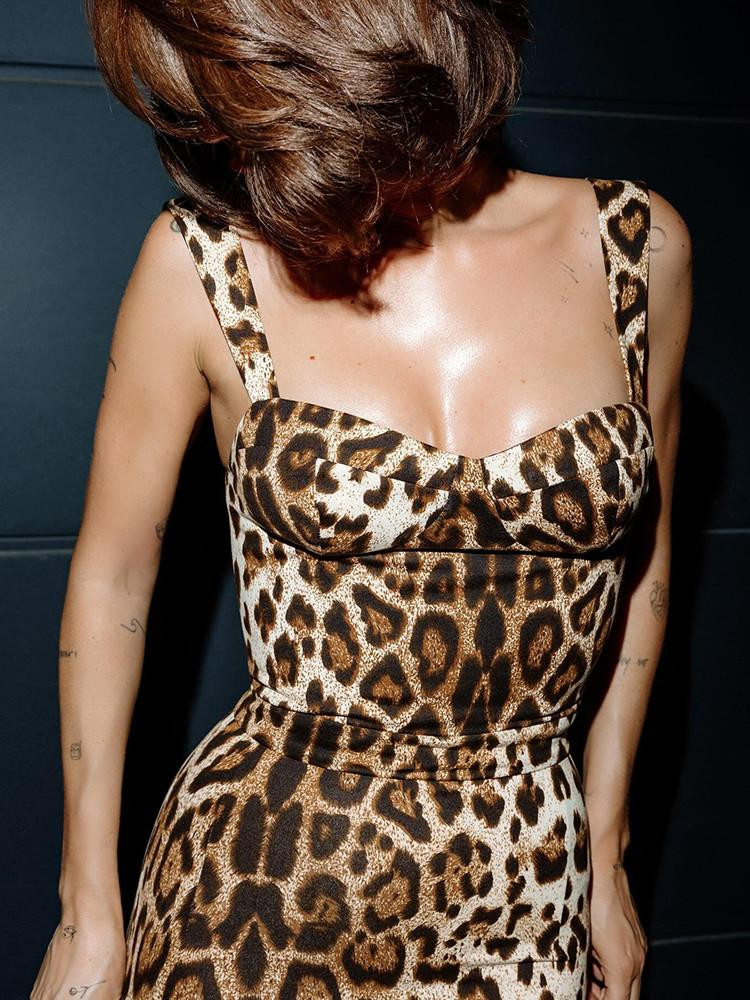
You can wear leopard as a statement or a subtle accent: a leopard blazer elevates denim, a leopard belt polishes a monochrome dress, and a black-and-white print buys you more flexibility than brown tones. Vary the scale—small spots for offices, oversized rosettes for evenings—and match undertones to your palette: warm-brown leopard with camel or olive, cool-gray leopard with charcoal or navy. Try mixing prints by keeping one pattern on a 1x scale and the other on a 3x scale for visual harmony.
Styling Options for Different Occasions
For casual days, pair a leopard tee with high-rise jeans and white sneakers; for work, a leopard silk blouse under a navy blazer with tailored trousers signals polished confidence; for evenings, a leopard slip dress or leather skirt with heels reads intentionally bold. Limit leopard to one focal point per outfit to maintain sophistication. If you need a quick rule, pick one accessory, one garment, and one shoe style per look—no more than three leopard touches.
More specifically, swap items based on formality: a leopard scarf or clutch updates a blazer-and-trousers boardroom look, while a leopard coat over a monochrome outfit makes a striking weekend statement. Scale and fabric are decisive—matte knits feel daytime-appropriate, while glossy satin or sequined leopard reads evening-ready. Color combos that always work: leopard with camel, burgundy, olive, or classic black; for a modern twist, add a single pop of electric blue or red in small doses.
Key Outfit Ideas
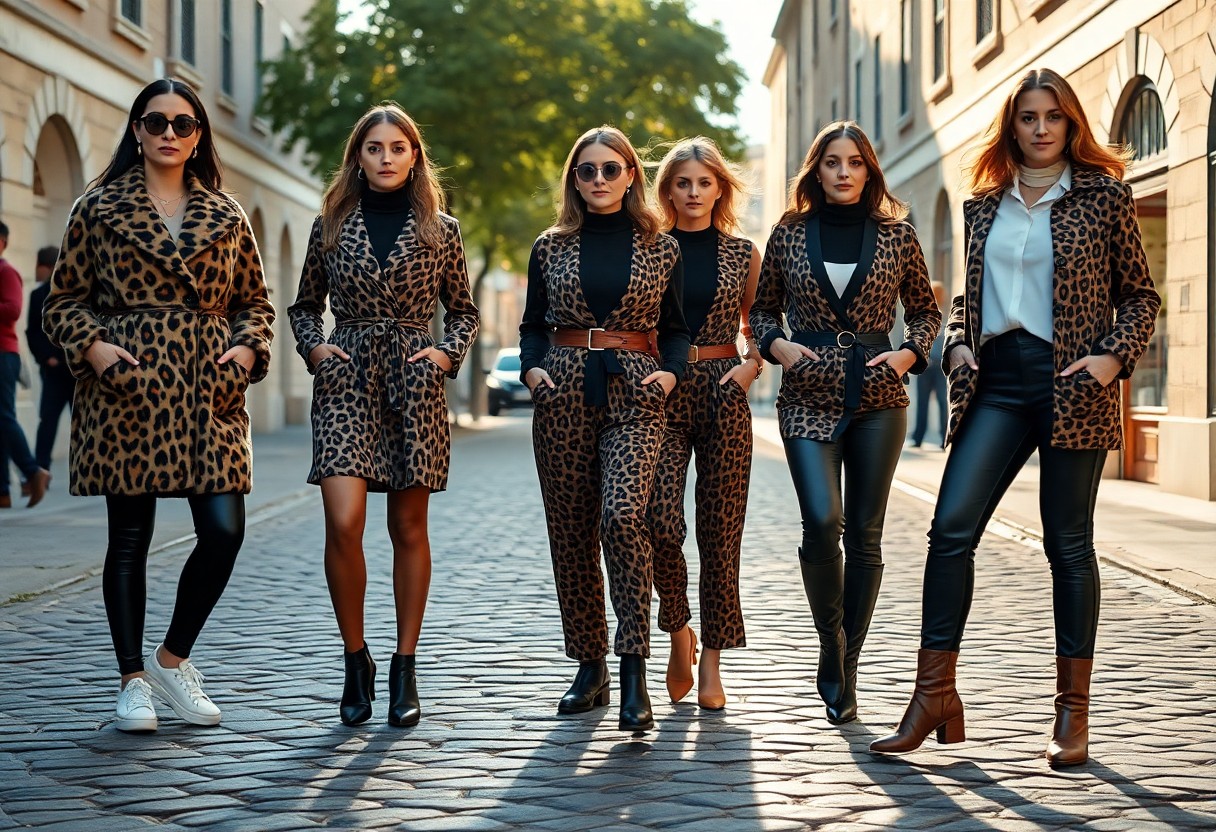
From bold blazers to subtle accessories, you should treat leopard as a design tool: use it as a statement piece and keep the rest of your outfit restrained. Limit leopard to one item per look, or stick to a 60/40 neutral-to-print ratio. For example, wear a leopard blazer with a white tee, straight-leg jeans and loafers for a balanced 3-piece outfit that reads modern rather than loud.
Casual Day Out
Pair a leopard tee or slip dress with practical staples: high-waisted mom jeans, a denim jacket and white sneakers for a comfortable, on-trend look. Keep accessories minimal and use texture—like a knit beanie or leather crossbody—to offset the print. If you add color, limit it to about 10% of your outfit (think a single red bag) so the pattern stays effortless, not overwhelming.

Office Chic
For the office, you can wear leopard in polished ways: tuck a silk leopard blouse into charcoal trousers with a structured blazer for a refined silhouette. Choose prints scaled to small or medium so they read professional, and keep jewelry simple—studs and a watch. Aim for heel heights around 1-2 inches or smart loafers to maintain all-day comfort.
When you need extra polish, prioritize fabric and fit: matte silks, fine knits and structured wools read more professionally than glossy synthetics. Pair cooler-tone leopards with navy or charcoal to look intentional; warm-tone prints work with camel and olive. Keep proportions intentional—a pencil skirt should hit at or just below the knee, belts under 1.5 inches prevent bulk, and swapping a full-print top for a leopard scarf reduces the risk of overpowering client-facing situations.
Mixing Patterns with Leopard Print
When you mix leopard print with other motifs, limit yourself to two patterns max and vary the scale—pair a bold leopard with thin stripes or a micro-dot. Use a neutral anchor like black or camel to ground the look, and apply the 60/30/10 rule for color balance (60% base, 30% secondary, 10% accent). Perceiving scale and contrast keeps the outfit intentional rather than chaotic.
- stripes
- plaids
- polka dots
- florals
Complementary Patterns
You can pair leopard with slim stripes for a graphic lift or with small checks to add texture without competing; large florals work if leopard is scaled down to a subtle print. Try one busy piece and one calm piece—like a leopard coat over a fine-striped shirt—to avoid visual overload. Perceiving the relative density of each pattern helps you layer confidently.
Color Pairing Tips
Stick to a neutral base—black, white, or camel—then add one bold hue (think emerald or burgundy) in accessories or one garment piece; aim for a 60/30/10 distribution. You can also use tonal matching: match the tan in the print to a similar camel knit for cohesion. Perceiving how much pop you want ensures the leopard remains the focal point.
For deeper control, use the color wheel: pair the warm tan of leopard with navy or olive for 2:1 contrast, or introduce a red bag as a 10% accent—metrics like these help you plan outfits for photos or events. Test fabrics: matte cotton reads calmer than glossy satin, which can make prints appear more aggressive. Perceiving which textures amplify color will refine your combinations.
- black
- camel
- emerald
- burgundy
Accessories to Enhance Leopard Print
When you accessorize leopard, treat it like a flexible neutral: anchor outfits with a single statement piece, keep the rest minimal, and use a consistent color story. Stylists often recommend a 30:70 print-to-neutral ratio—for example, a leopard blazer plus 70% solid pieces—and pick one metallic tone to unify the look. You can also use texture (matte leather, suede) to shift leopard from bold to understated without changing the pattern.
Bags and shoes.
Choose one focal accessory: either a structured tote or a low, 2-inch block heel pump in black or camel, as these options will ground leopard without competing. If you prefer a statement, a leopard clutch or mule converts into an instant neutral for evening; converse the rule by keeping other pieces monochrome. Aim for no more than two animal-printed accessories at once and prioritize clean silhouettes to avoid visual clutter.
Jewelry and Scarves
Match metal tone to the print’s warmth—gold with warm, caramel spots; silver for cooler, grey-based prints—and layer 3 necklaces of staggered lengths (16, 18, and 22 inches) for a modern feel. Scarves in silk or lightweight wool (a 90 cm square works well) can be worn as a necktie, headband, or belt to echo the pattern without overwhelming. Avoid mixing another busy print close to the face.
For more versatility, use scarves as color-control tools: pick one accent hue from the leopard (rust, ochre, or chocolate) and choose scarf prints or solids that amplify that tone. With jewelry, balance is key—pair a bold cuff or 5-7 mm hoop with finer chains so your accessories complement rather than compete with the pattern. If you want to mix metals, limit it to two pieces to keep the look intentional.
Choosing the Right Leopard Print for You
Match the print scale, color temperature, and fabric to your proportions and lifestyle: choose small spots (~0.5-1 cm) on lightweight silk or knit for layering, and larger rosettes (2-4 cm) on structured coats or skirts to make a statement. If you’re under 5'4", opt for cropped lengths and defined waists; if you’re 5'7" and taller, try full-length dresses or oversized blazers. Prioritize fabric care—faux fur and wool blends often require dry cleaning.
Different Shades and Variations
Classic tan-and-black reads warm and timeless, while black-and-white or gray variants feel modern and office-friendly; consider three palettes: classic (tan), monochrome (gray/black), and tonal (olive or burgundy bases). Use the print’s temperature to anchor outfits—pair warm leopard with camel, denim or olive, and cooler prints with navy, black or white. For daytime versatility, stick to one printed piece; for bolder evening looks, layer two complementary leopard tones with solid accessories.
Finding Your Fit
If you want a universally flattering route, choose a wrap dress or tailored blazer in a mid-scale print and ensure shoulder seams align with your natural shoulder—this prevents slouching or pulling. Women under 5'4" should favor smaller prints and cropped lengths, while those over 5'7" can carry larger motifs and longline silhouettes without being overwhelmed.
Dive into specifics when trying pieces on: test a leopard skirt with a tucked tee to check waist fit, and sit down to ensure fabric doesn’t strain across hips. Measure sleeve and hem length against garments you know fit—compare to a favorite blazer or dress (example: a 22" skirt hem that sits mid-thigh on you indicates a true mini). If shopping online, use return-friendly retailers and consult size charts; a 2-4 cm difference in print scale can change perceived proportions dramatically.
Final Words
Upon reflecting on how leopard print became the new neutral, you can confidently integrate it into your wardrobe by balancing bold pieces with classic silhouettes, mixing scales and textures, anchoring looks with muted tones, and tailoring proportions to your frame; with these five approaches, you’ll make the season’s biggest pattern feel intentional, versatile, and distinctly yours.