
1st Apr 2026
Liquid Elegance - 5 Ways to Style Flowing Fabrics This Spring
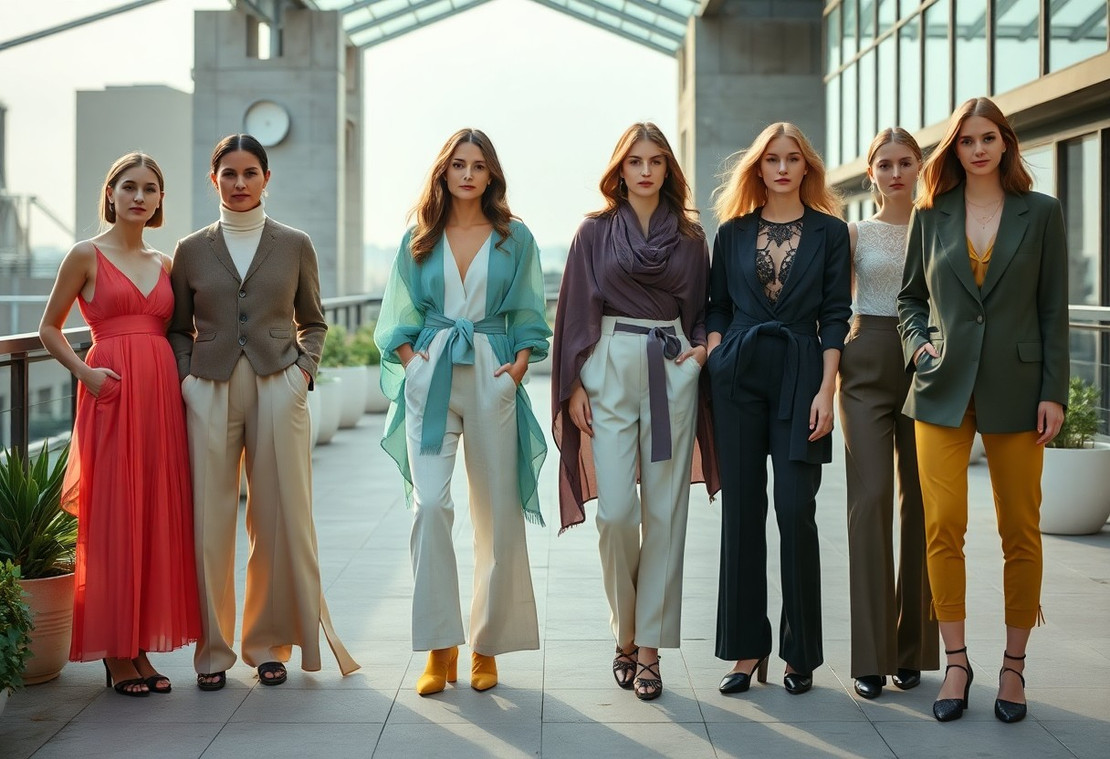
Over spring days, you master flowing fabrics with five practical looks: choose breathable silk or linen, prevent static cling, and avoid long hems near stairs or open flames while pairing tailored layers for crisp balance.
The Foundations of Fluidity: Selecting Premium Spring Textiles
Spring fabrics should move with you; you should favor lightweight weaves, balanced opacity, and finishes that resist cling. Choose textiles that hold shape through warm days and cool evenings so your silhouettes stay fluid and intentional.
Distinguishing Between Silk, Satin, and High-Twist Crepe
Compare silk's natural sheen and breathability, satin's glossy face and fluid fall, and high-twist crepe's textured drape; you should pick silk for breathable luxury, satin for glossy evening impact, and crepe for structure with movement.
Prioritizing Drape and Breathability for Seasonal Comfort
Favor fabrics with soft drape and open weaves so you stay cool without sacrificing movement; you should test garments against skin for cling and check weight to confirm breathability across shifting spring temperatures.
Feel fabric between your fingers and hold it to light to assess airflow: open weaves and loose yarns amplify ventilation, while linings, coatings, and dense knits reduce breathability. For humid days you should choose single-layer garments in natural fibers; for cooler springs pick midweights that balance insulation with fluid movement.
Mastering the Structured Contrast: Soft Meets Sharp
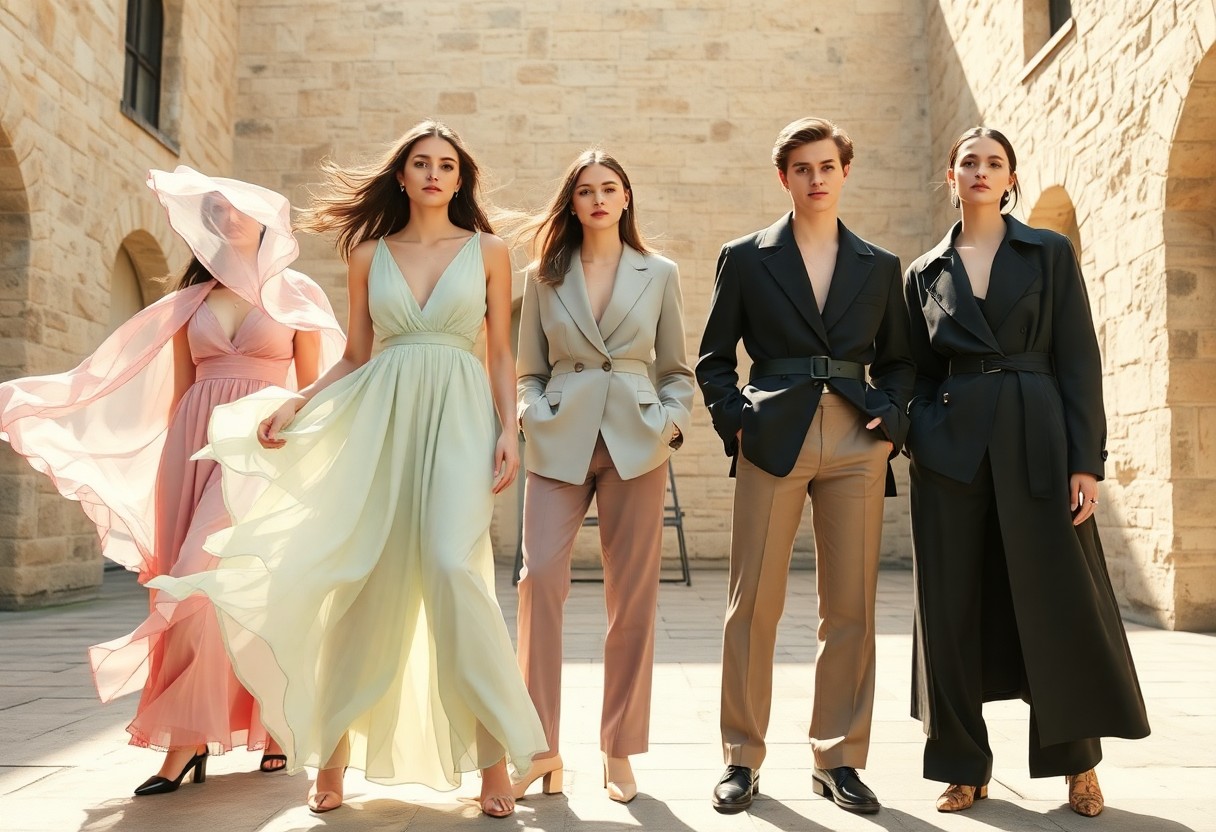
You anchor flowing silhouettes with crisp tailoring to create a striking balance: choose blazers with defined shoulders and nipped waists to prevent volume from overpowering; avoid oversized proportions that flatten your shape while embracing sharp lines for modern polish.
Pairing Voluminous Skirts with Precision-Cut Blazers
Match full, flowing skirts with clean, structured blazers to keep proportions smart; nip the waist with belts or tailored hems, and choose minimal accessories so you avoid overpowering the silhouette.
Balancing Fluid Trousers with Architectural Knitwear
Anchor wide, draping trousers with cropped, structured knits that provide visual counterpoint; choose heavier gauge stitches to add form, and avoid clingy fabrics that erase shape while highlighting your waist with a tuck or belt.
Experiment with proportions by pairing high-waist fluid trousers and cropped, architectural knits to keep your torso compact; prefer medium-to-heavy yarns for shape and texture, select streamlined shoes to lengthen the leg, and if you add volume on top you risk a boxy silhouette-so tuck, belt, or opt for a fitted sleeve to preserve definition.
The Monochromatic Column: Elongating the Silhouette
You create a lengthened look by choosing one tone head-to-toe, pairing vertical seams and flowing cuts that elongate your silhouette; keep proportions slim and avoid bulky belts that can break the line.
Creating Depth Through Varying Fabric Weights
Pairing sheer chiffons with denser satins gives you subtle volume and movement; mix textures so the column reads layered without bulk, and steer clear of heavy knits that will weigh down the effect.
Utilizing Tonal Layering in Soft Spring Hues
Layering near tones like blush, dove, and sage lets you keep a cohesive column while adding interest; soft spring hues work best when you contrast matte and sheen to make each layer readable.
Experiment with a matte base and a satin or silk overlay so each layer registers; limit your tonal shifts to one or two shades to avoid fragmentation, use a slightly darker shoe or belt to anchor the look, and avoid high-contrast prints that will break the column.
Strategic Cinching: Defining Form Within Flow
Balance comes when you cinch flowing fabrics at key points, letting movement remain while defining your silhouette; you can create proportion, but avoid over-tightening to prevent pinching or distortion.
Using Statement Belts to Anchor Oversized Silhouettes
Choose a statement belt to anchor oversized shapes, cinching at the natural waist or above for proportion; you should prevent overwhelming your frame by testing widths and buckle placement.
The Art of the French Tuck and Side-Knotting
Try the French tuck to suggest a waist while keeping drape, or tie a side-knot to shorten long tunics; you must avoid bulky knots that ruin the line.
Experiment by tucking only the front panel into high-waisted pants to create a clean waistline while preserving rear drape; for side-knots, gather fabric at the hip and tie loosely so movement remains, securing with a small elastic or safety pin to prevent unraveling and lengthen your legs visually.
Sheer Sophistication: The Nuance of Layering
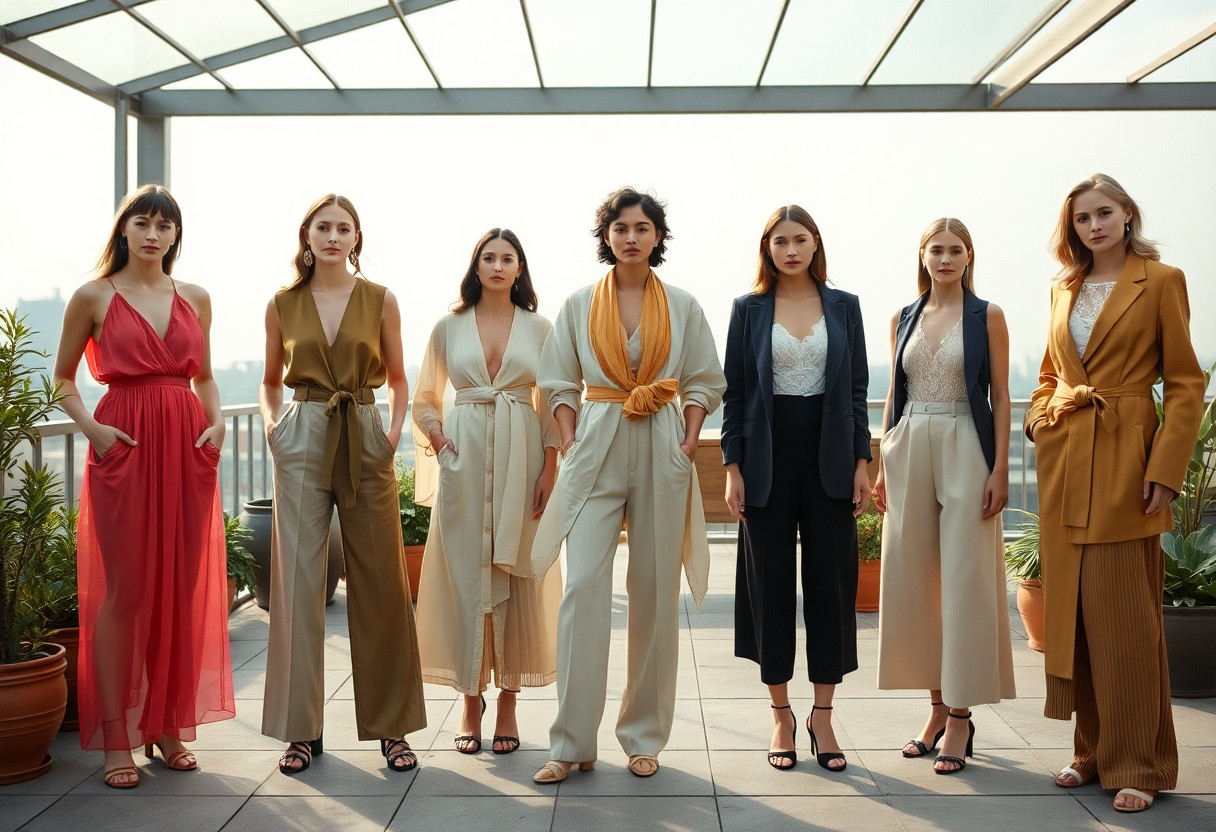
Layering sheer silk or chiffon lets you sculpt movement and depth; you can tuck a satin slip beneath a duster to add opacity while keeping fluid drape intact.
Integrating Translucent Overlays for Visual Dimension
Experiment with varied lengths and textures: a knee-length organza overlay creates visual depth, while a cropped sheer jacket defines your waist without adding bulk; watch for clashing prints.
Managing Opacity with Elegant Foundation Pieces
Choose concealed slips, nude-toned bodysuits, or seamless camis to control opacity; you keep silhouettes clean and avoid visible lines or accidental exposure.
Pair foundation pieces in tones slightly lighter or darker than your outer layer so you maintain color harmony; avoid exact matches that can flatten the look. Use structured slips with light boning or a fitted bodysuit to preserve shape under flimsy fabrics and test movements to prevent wardrobe malfunctions.
Accessories and Footwear: Complementing the Motion
Accessories and footwear refine your flowing silhouette; you should select pieces that honor motion-opt for narrow heels or sleek flats, and avoid chunky soles that break vertical lines or create tripping hazards.
Selecting Footwear to Maintain Vertical Lines
Choose footwear with a low vamp and slim heel to continue verticality; pointed toes or nude sandals lengthen your legs, while bulky ankle straps or platforms will interrupt the silhouette.
Minimalist Jewelry for Uninterrupted Fabric Flow
Wear minimalist jewelry-thin chains, small studs, and a single bangle-to keep fabric motion visible; skip oversized pendants and heavy cuffs that snag or weigh the drape down.
Pair fine chains and slim hoop studs with your flowing pieces so your jewelry whispers rather than competes; choose shorter necklaces for high necklines and delicate long pendants for low cuts. Aim for polished finishes that slide past silk without catching, and prefer snug cuffs over loose bangles to prevent snags.
To wrap up
Considering all points you can adopt flowing fabrics this spring by choosing tailored layers, bold prints, a structured belt, tactile textures and smart footwear; focus on proportion, movement and care to achieve refined, wearable elegance.