
26th Feb 2026
Neo-Romantic Volume: The Return of Exaggerated Sleeves and Sculpted Hips
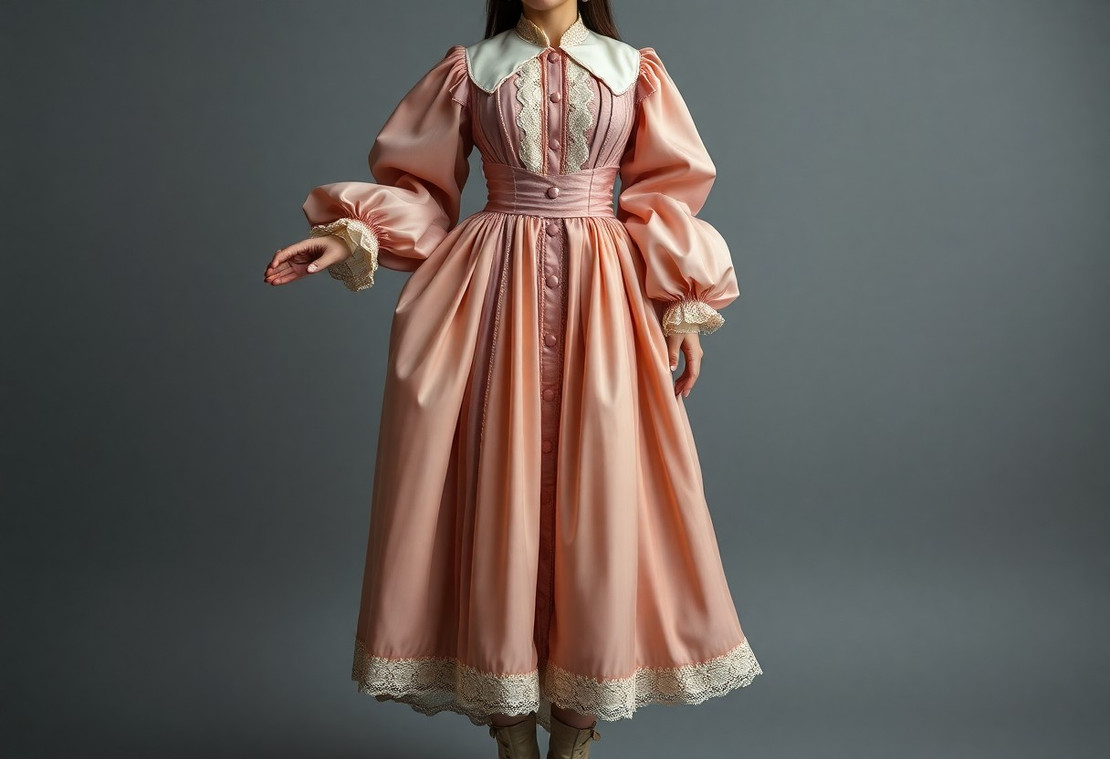
You see Neo-Romantic Volume return with exaggerated sleeves and sculpted hips, offering statement-making silhouettes; historic motifs return while overwhelm and fit challenges pose practical risks for everyday wear.
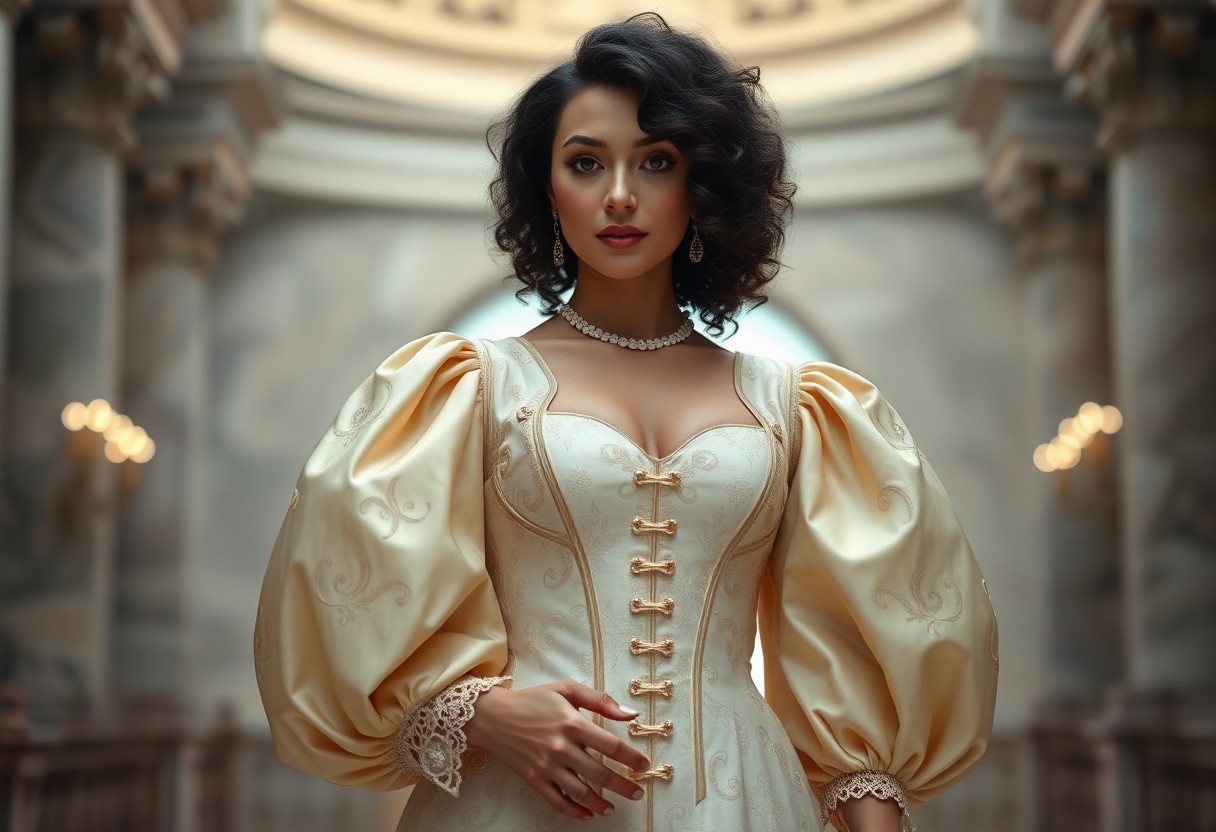
Historical Foundations of Neo-Romanticism
Roots in 19th-century tailoring teach you to prioritize silhouette over ornament, tracing how volume returned as a reaction to minimalism as designers repurpose corsetry and panniers to craft dramatic sleeves and sculpted hips.
The Victorian Influence on Modern Volume
Victorian tailoring taught you structured supports—corsets, bustles, padded sleeves—now reinterpreted to create exaggerated volume that balances historical form with contemporary wearability.
Reimagining 19th-Century Structural Codes
Designers show you how to adapt boning, padding, and drape into softer constructions that keep the silhouette yet improve movement; avoid the risk of overwhelming the wearer while embracing the reward of sculptural presence.
You integrate modern materials—lightweight spiral boning, foam supports, and engineered padding—with historical seam placement to keep volume light and mobile and prototype in stages to avoid mobility restriction and refine proportions so the visual drama remains wearable rather than cumbersome.
The Engineering of Exaggerated Sleeves
Engineer internal channels, pleating and hidden tucks so you can sculpt volume without collapse; monitor seam stress and strain points; and place stays or soft boning where the silhouette needs memory.
Technical Construction of Puff and Lantern Silhouettes
Pin pattern prototypes and test ease so you can balance fullness with mobility; use gussets, lantern rings and graduated gathers to contain volume, and reinforce junctions with flat-felled seams or stay tape to prevent tearing.
Fabric Selection for Maximum Structural Integrity
Choose fabrics with body and recovery—medium-weight taffeta, taped blends or canvas-backed silk—so you can hold shapes; avoid limp weaves, and prioritize fibers that retain pleats and resist distortion.
Evaluate weight, weave and finish before finalizing yardage; pair fabric with targeted interfacing, horsehair braid or foam; and test for memory, abrasion resistance and seam glide, avoiding heavy starch that causes brittleness at stress points.
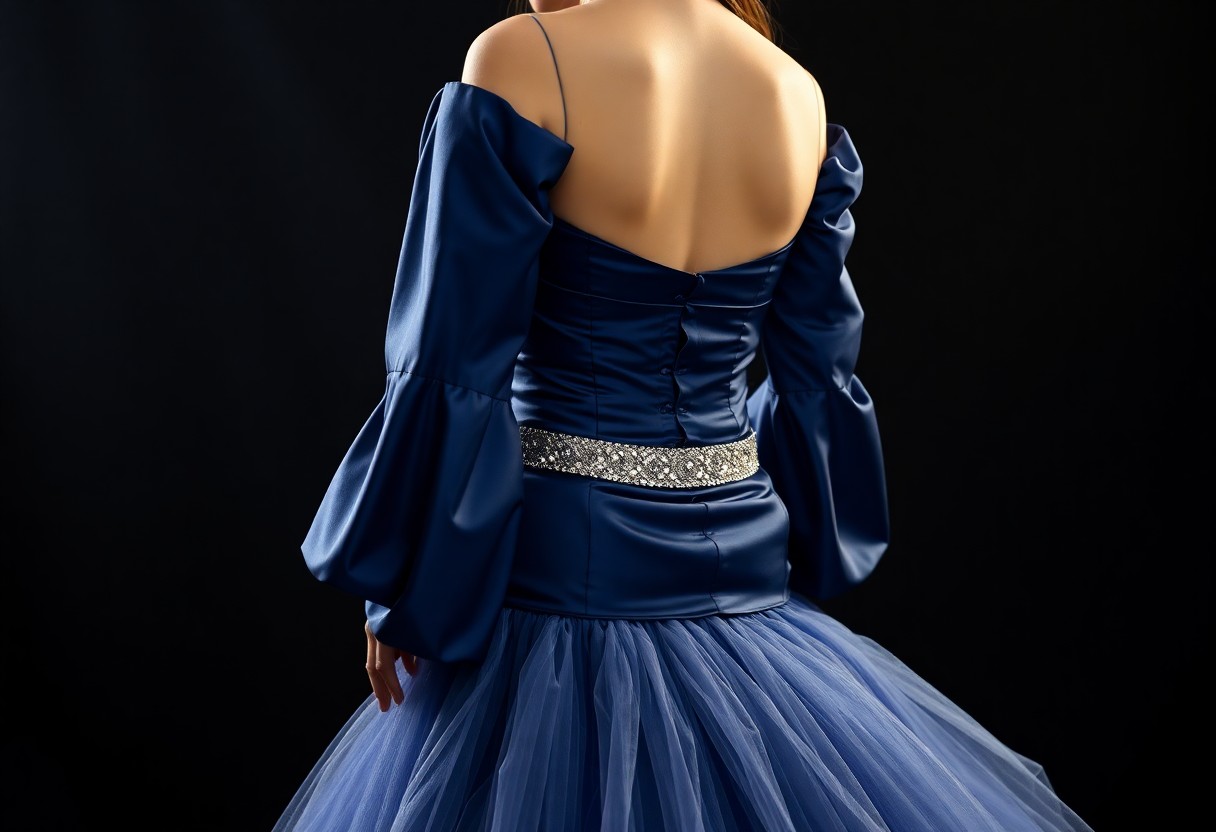
Sculpting the Hips: The New Hourglass
Sculpted hip shapes return, letting you reclaim an exaggerated support for the waist while keeping movement. Designers use padding, pleats and panels to create a new hourglass that can accentuate your waist without feeling stiff.
Modern Interpretations of the Pannier and Peplum
Reimagined panniers and peplums give you playful volume at the hips—from subtle stitched panels to dramatic structured flounces—so you can choose statement proportions or a softer nod to history without overburdening modern tailoring.
Balancing Proportions for the Contemporary Frame
Experimenting with hip volume asks you to pair structure with fitted bodices, vertical seams or slim sleeves so the silhouette reads intentional; avoid heavy skirts that can overpower your frame.
Pair strategic placement—higher panniers, asymmetric peplums, or low-set hip panels—with fitted waistlines so you can control visual width; soft, drapey fabrics reduce bulk while molded cups or minimal padding add shape. If you rely on heavy structures, watch for restricted movement; invest in precise tailoring to keep the look flattering rather than cumbersome.
The Cultural Significance of Maximalist Volume
You witness exaggerated sleeves and sculpted hips as collective signals—they rework memory, spectacle, and social codes so you read garments as statements about taste, protest, and identity rather than mere function.
Fashion as Escapism and Artistic Expression
Art offers you theatrical refuge where ornament outruns utility, inviting playful identity experiments and communal fantasy that interrupt daily monotony and reclaim style as personal release.
Redefining Power through Hyper-Feminine Forms
Power emerges when you choose hyper-feminine forms; extreme curves and frills become deliberate signals that complicate who holds authority and how you command attention.
Designers reintroduce corsetry and exaggerated silhouettes so you can wield ornament as tactical visibility: ruffled sleeves and accentuated hips act as performative armor, letting you contest masculine norms, claim spectacle, and accept the risk of misreading while insisting on your presence.
Styling the Neo-Romantic Silhouette
You can balance exaggerated sleeves and sculpted hips by pairing them with tailored waists, clean necklines, and restrained patterns so the silhouette reads intentional rather than costume.
Integrating Dramatic Volume into Daily Wardrobes
Layer dramatic sleeves under cropped coats and cinch at the waist so you keep movement practical for daily wear while preserving the theatrical shape.
Footwear and Accessories to Complement Bold Proportions
Choose grounded heels or chunky boots to match exaggerated hips and sleeves, and use minimalist straps or structured bags to avoid visual competition with the silhouette.
Consider selecting shoes with stable platforms or block heels to provide balance and comfort when you wear sculpted hips; pair high sleeves with low-profile necklaces, and choose bags that echo the garment's lines because oversized embellishments will fight the focal volume. Note that ankle straps can shorten your leg line, so prefer elongating shapes or nude tones and finish with scaled jewelry to keep attention on the silhouette.
Summing up
With these considerations you can adopt Neo-Romantic volume confidently, balancing exaggerated sleeves and sculpted hips to command presence while maintaining wearability. Choose tailored proportions and quality fabrics to ensure silhouettes read intentional and modern for your wardrobe.
FAQ
Q: What defines Neo-Romantic Volume, and how does it differ from past romantic silhouettes?
A: Neo-Romantic Volume centers on exaggerated sleeves and sculpted hips that combine historical inspiration with contemporary construction. Designers pull from Victorian and 1980s references but translate them into sharper, more architectural shapes using modern patterning and materials. The emphasis shifts from soft, draped romance to intentional, three-dimensional forms created by engineered seaming, internal supports and controlled gathers, producing drama without relying solely on print or embellishment.
Q: Which materials and construction techniques create the dramatic sleeves and sculpted hips seen in this trend?
A: Makers use a mix of traditional supports and technical fabrics: horsehair braid, tulle underlayers, interfacing, padded channels, and lightweight foams establish and hold volume, while neoprene, bonded fabrics and structured taffeta provide body without excessive weight. Pattern techniques such as slash-and-spread, engineered pleating, pad-stitching and internal boning define silhouette lines; sleeve heads are reinforced with stiffening, and hip volume often relies on integrated panels or under-structures rather than external padding alone. Contemporary approaches include digital 3D draping and using recycled or deadstock materials to produce volume with reduced waste.
Q: How should consumers style, fit and care for garments featuring Neo-Romantic Volume?
A: Balance of proportion guides styling: pair oversized sleeves with streamlined bottoms and sculpted hips with fitted tops or defined waistlines to keep silhouettes intentional. Tailoring improves impact—cinching waists, shortening sleeve length for petites, or reducing volume for small frames enhances wearability. Choose supportive undergarments for structure, and pick fabrics based on the occasion—organza or tulle for ethereal sleeves, scuba or taffeta for architectural hips. For care, store pieces on padded hangers, avoid crushing structured areas, use professional cleaning for complex constructions, and reshape padding after cleaning; light steaming can revive volume, but avoid direct heat on bonded or foam cores.