
13th Feb 2026
Neo-Victorian Revival - Corsetry Reimagined for Modern Power Dressing
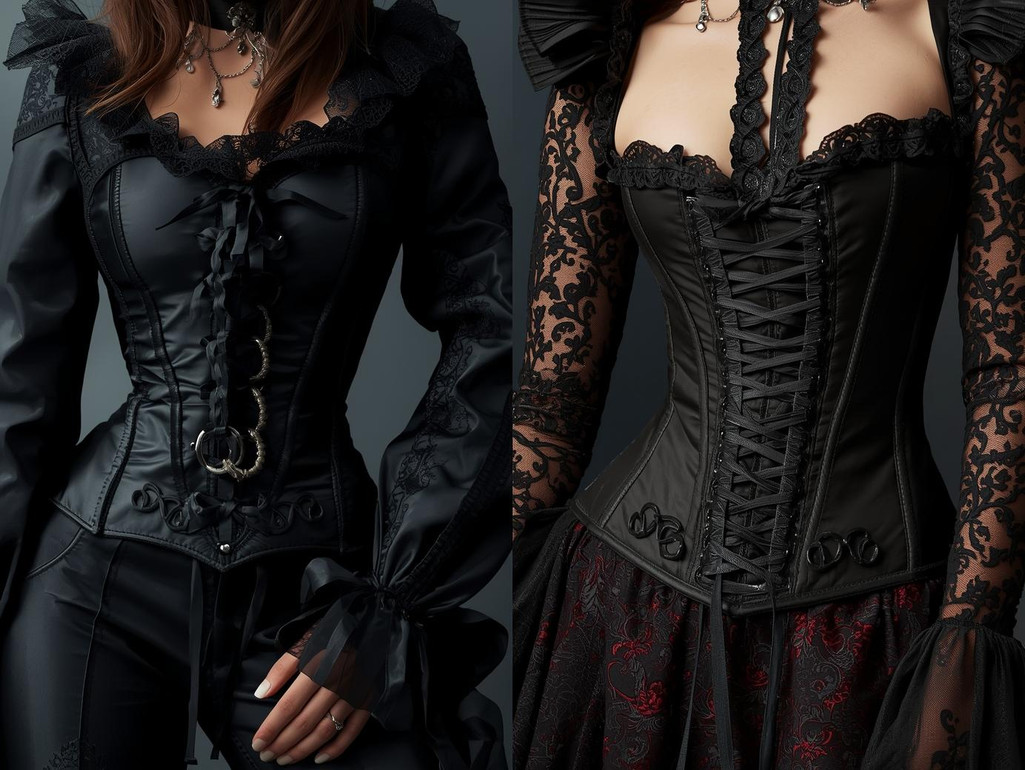
Just note how Neo-Victorian corsetry reshapes your silhouette and posture, flags health risks, and yields commanding confidence for modern power dressing.
The Historical Foundation of the Corset
Origins in Victorian tailoring reveal how you read status through silhouette, where waist reduction and boning signified social standing while imposing physical limits.
Manufacture relied on skilled stay-makers and rigid materials, and you should note the health risks that accompanied extreme shaping even as techniques advanced.
From Social Constraint to Artisanal Craftsmanship
Social constraint turned the corset into an instrument of conformity, and you experienced cultural pressure that normalized tight-lacing despite its physical toll.
Artisans refined patterning and hand-finishing, and you can see how those skills inform contemporary makers who prioritize both form and artisanal craftsmanship.
The Victorian Silhouette and Its Legacy are defined by an exaggerated hourglass shape, which you can trace in modern pieces that borrow this waist-emphasizing line to signal authority.
Silhouette centered on an exaggerated hourglass, and you trace that influence in modern pieces that borrow the waist-emphasizing line to signal authority.
Legacy appears in tailoring choices you encounter today: high waists, structured panels, and reinforced seams that reference historical support while seeking comfort with new materials.
Today designers test the balance between historical silhouette and wearability, urging you to weigh aesthetic intent against the physical implications of tight shaping.
Defining the Neo-Victorian Aesthetic
Design now borrows Victorian silhouette cues while you expect clean lines and functional tailoring that read as modern power, with structured silhouettes signaling intent rather than costume.
Observe how ornament meets restraint, where you see lace trims beside matte suiting and corsets. Reinformed lines suggest authority; watch for tight lacing risks when adapting historic shaping for everyday wear.
Deconstructing Traditional Bodice Architecture
Victorian bodice layering is dissected so you can see where boning, waist tape, and paneling are reinterpreted for comfort, highlighting boning placement and seam lines that matter to fit.
Bones are used sparingly and repositioned to protect mobility and reduce pressure points, giving you supportive structure without the restrictive feel of period garments.
Merging Period Details with Contemporary Minimalism
Silhouette cues like high waistlines and a gentle cinch are pared back so you retain historic reference while you maintain a crisp, modern line and clean tailoring.
Contrast is created through selective trims—antique buttons, discreet lace insets—so you can signal heritage without visual clutter, allowing subtle ornament to function as deliberate detail.
Practicality demands choices: you should choose stretch panels, breathable fabrics, and hidden fastenings that honor period detail while offering daylong comfort, making wearability the decisive marker in contemporary corsetry.
Corsetry as Modern Power Dressing
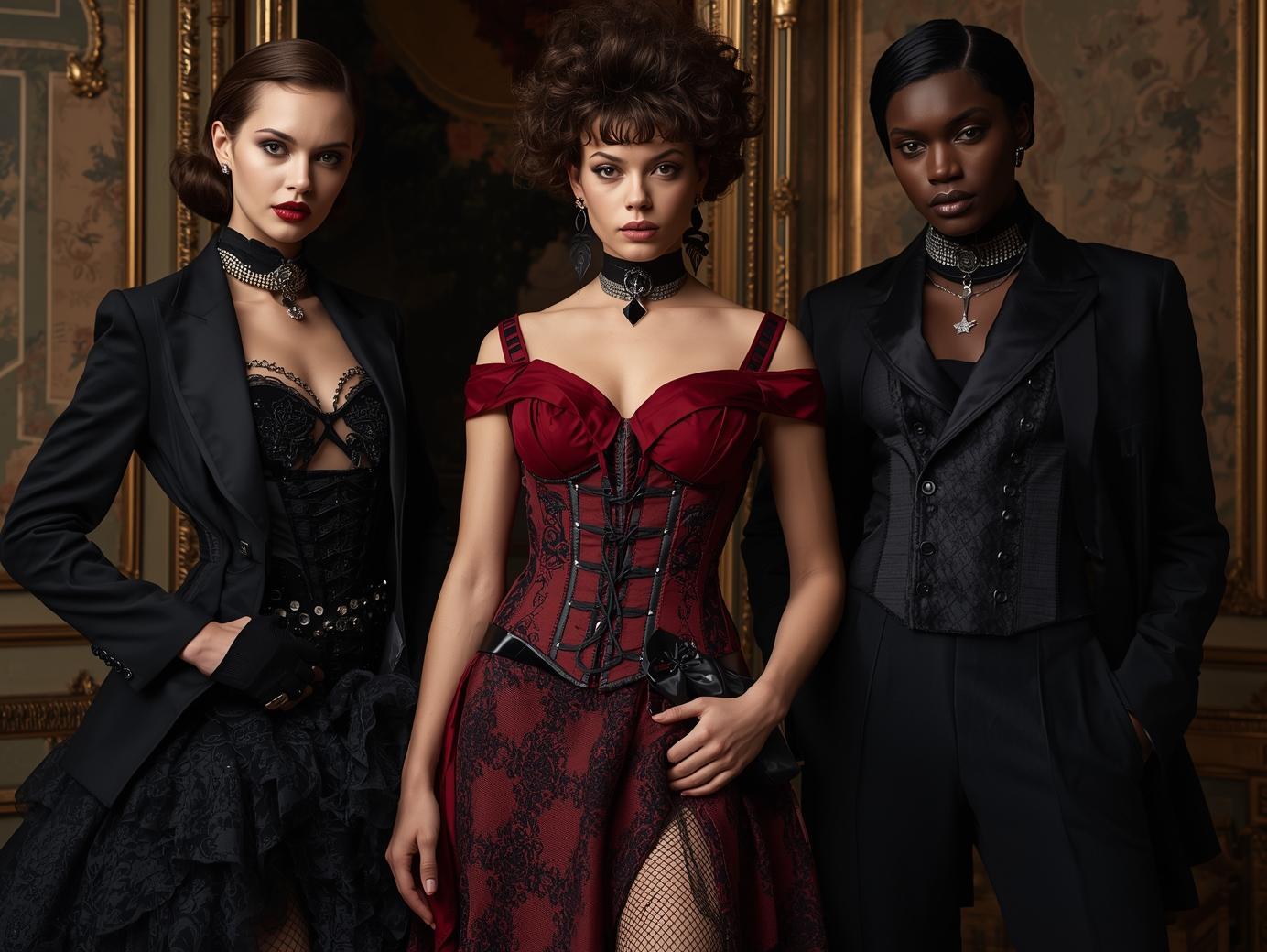
You adopt corsetry as a deliberate tool in your wardrobe that signals authority through disciplined silhouette and posture, converting historical codes into present-day command without theatricality.
Wearing contemporary pieces with flexible boning and breathable fabrics lets you maintain movement and presence; prioritize customization to avoid discomfort and ensure the garment supports long shifts and clear decision-making.
Reclaiming the Stays: Symbolism of Structure and Strength
A shift from imposed restraint to chosen framework occurs when you select pieces that articulate your posture and intent, turning visible seams into markers of strength.
Craftsmanship and ethical sourcing let you claim that history responsibly, while adjustable designs acknowledge the risk of over-tightening and protect your agency in dress.
The Psychological Impact of Form-Fitting Authority
Perception changes rapidly when you adopt fitted silhouettes: colleagues often read decisiveness into your stance, and that external response feeds an internal surge of confidence, reinforcing professional comportment.
Tightness can refine posture and focus, yet you must respect physical limits, scheduling intervals and choosing breathable construction to prevent distraction or distress.
Balance between aesthetic assertion and well-being comes from progressive wear, professional fittings, and mindful breathing; you use adjustable lacing and tailored breaks to convert external assertion into sustained, safe presence.
Innovation in Design and Materiality
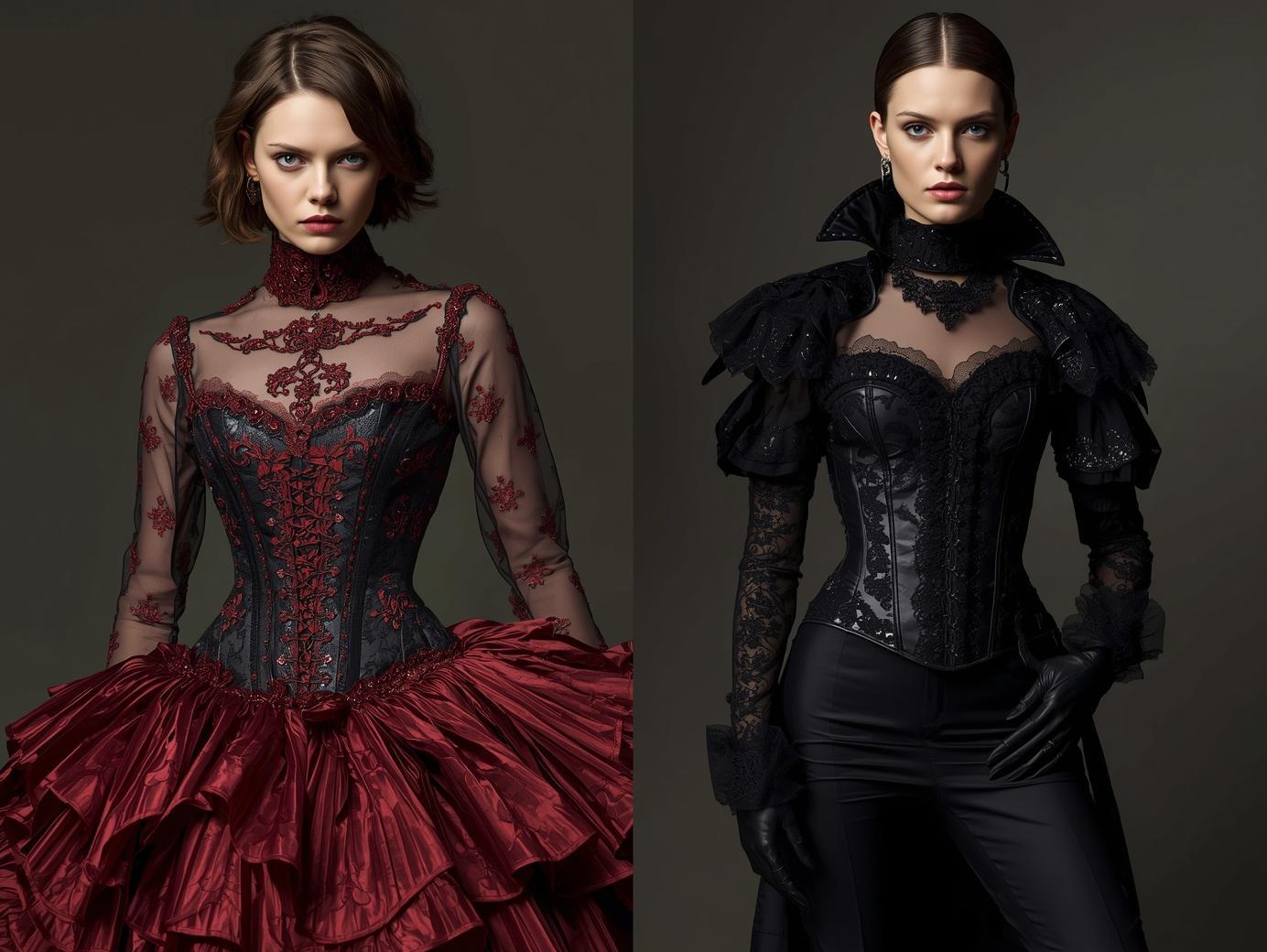
Design shifts prioritize silhouette control while addressing wearability; you expect tailored frameworks that move with the body. Contemporary corsetry blends sculptural intent with functional ease, using patterning and stretch panels to maintain structured support without immobilization.
Materiality choices now determine performance: you choose fabrics that wick, compress, and recover, replacing restrictive tradition with dynamic behavior. Smart laminates and bonded seams render armor-like shapes while delivering breathable comfort.
Evolution of Materials: From Whalebone to Technical Textiles
History shows you how corsetry moved from whalebone and steel to Kevlar weaves, memory foams, and thermoplastic boning. These shifts reduced the weight of corsets and addressed ethical concerns while expanding structural possibilities.
Today you benefit from technical textiles that deliver targeted compression, rapid recovery, and moisture management, allowing designers to sculpt form without sacrificing long-wear function.
Balancing Ergonomic Comfort with Sculptural Integrity
Ergonomics dictates that you map pressure zones, integrating flexible panels and molded ribs so the corset sculpts without causing pain. Proper channeling of force preserves both posture and mobility.
Sculptural ambitions coexist with user movement through articulated seams and graduated tension, allowing you to maintain posture and presence while avoiding tissue strain.
Fit strategies require professional fitting, adjustable lacing points, and internal padding to prevent tissue compression; you should prioritize safe fit to avoid breathing restriction or circulatory issues.
Styling the Structured Silhouette
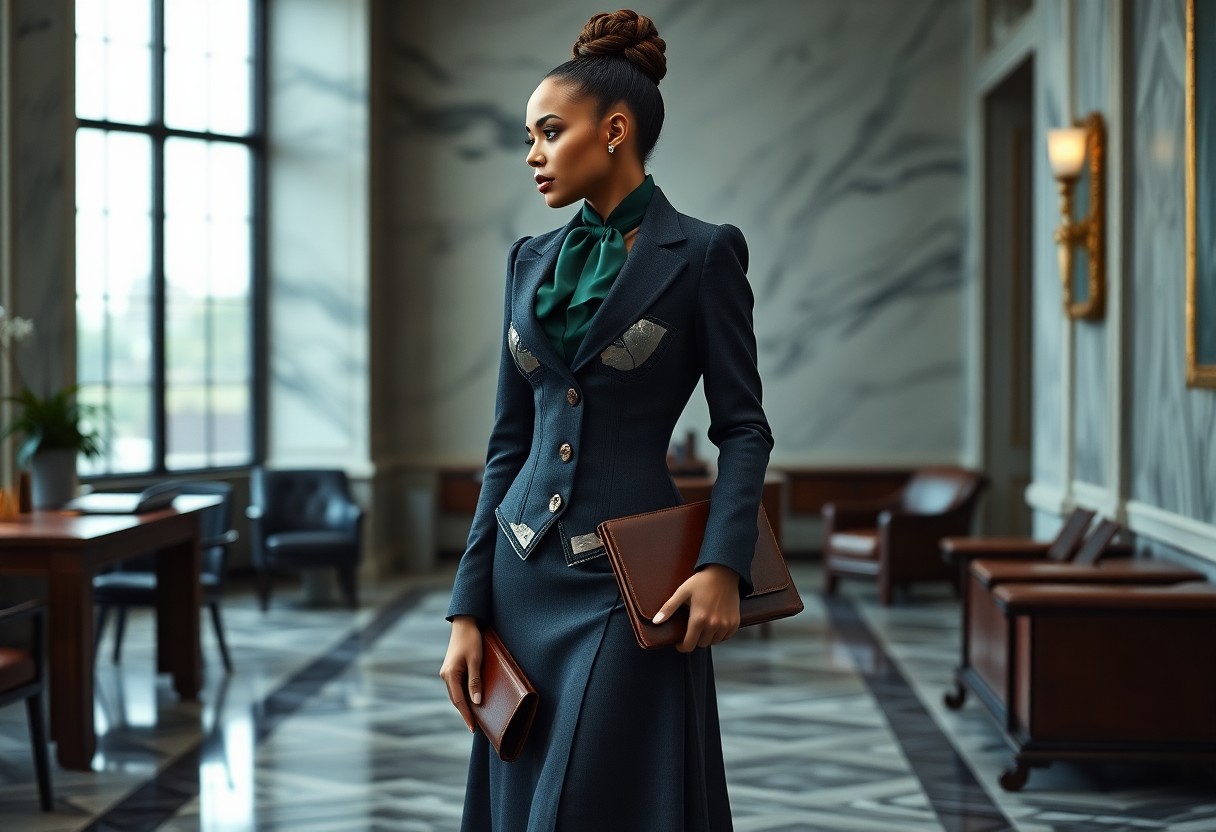
Silhouettes sharpen when you pair corsetry with clean tailoring, keeping focus on a defined waist and strong shoulders. You should prioritize garments that allow the corset’s lines to read without competing prints; choose matte fabrics and structured support to project authority while maintaining mobility.
Balance comes from mixing rigid corsetry with softer elements—sleek blouses, knit sleeves, or fluid skirts—so you avoid visual stiffness. You must monitor fit to prevent restricted movement, opting for modest bust depths and breathable linings for prolonged wear.
The Corporate Bodice: Integrating Corsetry into Professional Wear
Tailoring the bodice to your silhouette preserves professional polish; you should select underbust or waist-cinching pieces that layer beneath blazers without bulk. Look for a tailored fit and reinforced seams so the corset reads as a polished structural element rather than a costume.
Anchor your outfit with neutral tones and streamlined accessories so you retain authority while keeping attention on proportion. You must also test movement at your desk to avoid strain and choose adjustable closures to guard against postural fatigue during long meetings.
Layering Techniques for Versatile Avant-Garde Expression
Mix textures—leather panels, fine wool, and silk—to create depth without overwhelming the corset’s geometry; you should let one element dominate to avoid visual competition. Add asymmetrical hemlines or a statement sleeve to translate historical structure into contemporary drama.
Experiment with transparent overlays and detachable peplums so you can toggle between conservative and theatrical looks throughout your day; you should plan quick changes that maintain comfort and professional readiness.
Consider proportion: you should keep volumes above and below the waist balanced to preserve mobility and test garments for chafing where layers meet; choose lightweight interlinings to reduce heat and avoid skin irritation.
The Cultural Shift in High Fashion
You witness corsetry reframed as a practical instrument of modern power dressing, where sculptural lines are used to communicate intent and presence without costume theatrics.
Designers are integrating flexible boning and breathable panels so you can inhabit structure all day; this practice exposes a risk of improper fit if you buy without expert measurement.
Runway Influence and the Luxury Market Revival
Runways have placed neo‑Victorian corsetry into couture narratives, signaling to you that structured silhouettes are an accepted language of status and taste.
Luxury houses are releasing capsule corset collections that you can acquire through shows and drops, creating market scarcity and inflating resale values for these statement pieces.
Subverting Gender Norms through Architectural Tailoring
Craft techniques repurpose corset architecture into traditionally masculine cuts so you can visibly dispute binary codes through proportion and posture, with architectural tailoring as the tool.
Tailoring folds waist cinching into jackets and shirts so you can choose how authority reads on your body, reframing masculinity and femininity as stylistic options rather than mandates.
Layering these elements with suiting gives you practical versatility; prioritize adjustable closures, breathable fabrics and professional fitting to avoid the danger of restrictive pressure while sustaining the aesthetic effect.
Conclusion
Summing up, you recognize Neo-Victorian corsetry reimagined with breathable fabrics, flexible boning, and tailored cuts that prioritize posture and professional poise. This design language lets you adopt historical silhouettes as strategic sartorial tools, blending decorative craft with practical comfort for modern power dressing.