
10th Dec 2025
Precision Pleating Shapes Tomorrow’s Silhouettes
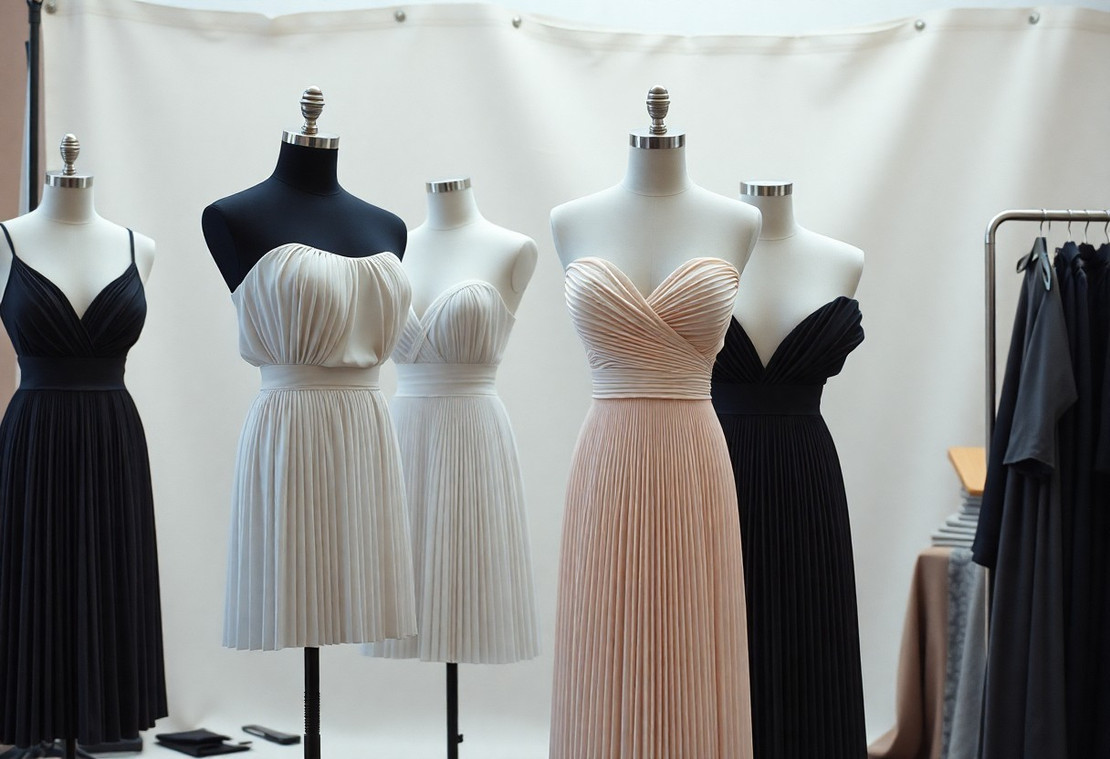
I believe that precision pleating is a vital design method that characterizes modern forms, much like fashion changes over time.
You might be shocked to hear that this sophisticated approach not only makes clothes look nicer and more structured, but it also helps the environment by cutting down on fabric waste. I believe that merging new technology with old-fashioned pleating can make fashion even more inventive and adaptable. Let's look at how precision pleating will change the way clothes are made in the future.
The Art of Precision Pleating
Precision pleating is a way to make fabric into wonderful works of architecture by combining design and skill. This technique, which involves meticulous folding and tacking, makes clothes seem better overall by creating a balance between structure and flow. I believe that the small details of this art form may greatly affect how a piece fits and moves, which is why it's a crucial ability for fashion designers today.
In the past
People have been using pleating for both practical and ceremonial purposes for a long time. You can see it in Egyptian robes and Greek clothes, for example. As fashion changed, pleating became an art form. For instance, crinoline skirts in the 18th century used sophisticated methods to manufacture clothing that were both heavy and light. I like that learning about this history helps us come up with new ideas when we develop newer ones.
Today's Techniques
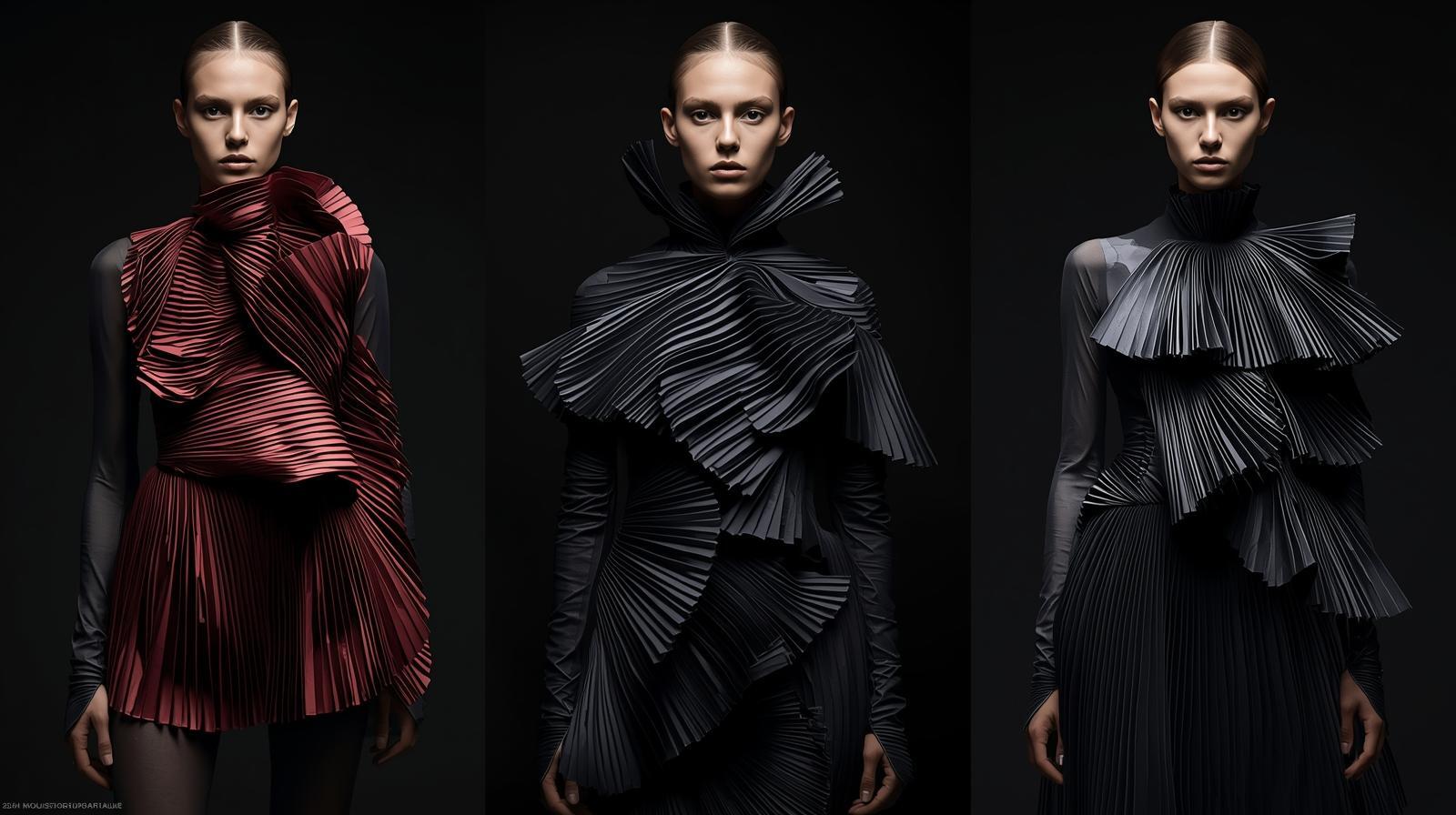
The field of precise pleating has altered drastically because of new materials and technology. Today, designers may easily construct complex pleating patterns with the use of special machinery. They utilize techniques like heat-setting and laser-cutting to ensure that the patterns are always the same and correct. I find it quite interesting how these new technologies help designers go beyond the constraints of old designs to develop shapes and textures that are difficult to make.
Designers utilize computer-aided design (CAD) and other tools to create intricate patterns and layouts that they can precisely replicate across all their collections. Fabrics with memory characteristics also hold their shape, so you may make bold designs without losing comfort. The mix of traditional craftsmanship and cutting-edge technology is bringing about a new surge of originality in fashion. This technology has made it possible for collections to easily fit the wearer's way of life. The meticulous pleating on each piece of clothing varies its shape, making sure that classic elegance appeals to modern audiences.
How Precision Pleating Changes Fashion Design
I've noticed that precise pleating has become a big aspect of fashion design in the last several seasons. It changes how fabrics look and how they work. This is how designers are making structural forms that breathe new life into vintage garments. This method can improve movement and texture by adding pieces with symmetrical patterns and pleats of varied depths. This technique gives the complete design an architectural feel.
What to wear on the runway
This season's runways have been all about perfect pleats. Alexander McQueen and Issey Miyake are two designers who have displayed collections that use shifting shapes and textiles that reflect light. Each pleat not only improves the garment look, but it also changes its shape and how it hangs, making it look like a drama.
Ready-to-Wear Collections
Ready-to-wear collections have done an impressive job of incorporating precision pleating, which is both utilitarian and elegant. I've seen dresses with basic pleats that look good and feel appealing at the same time. Such versatility means they may be worn to a lot of different events without losing their style.
The addition of precision pleating to ready-to-wear lines has transformed how we think about casual clothes. Zara and COS are putting it on skirts and blouses, which makes it easy to layer and move about. This strategy enables you try out a lot of different ways to style things. It shows that sophisticated designs can fit into your regular clothing without losing their function or style.
New Ideas and Materials
For precise pleating, new materials are highly significant. The fabric you choose not only changes how pleated designs look, but also how effectively they work and how much mobility they allow. Textiles that combine old-fashioned workmanship with contemporary technologies are now at the top of designers' lists. This technique lets you produce intricate pleats without giving up comfort or durability.
Picking the correct fabric
I like to choose materials that help the pleating method seem better, such silk blends and technical polyesters that hold their shape and structure. These selections make sharp, well-defined pleats and give the fabric a high-end impression. More and more individuals are choosing materials that are good for the environment, such organic cotton and recycled fibers. The trend is part of a bigger movement toward design that is good for the environment.
Better technology
New technologies are changing how pleats are manufactured, which gives designers more room to be creative. Laser cutting and digital printing can create textures and patterns that can't be made by hand. This revolutionary approach not only speeds up production, but it also helps clothes with pleats appear better.
3D knitting technology is really fascinating since it makes a pleat that matches the body's contour exactly. One cool thing is when fashion designers and tech companies work together to produce clothes that change shape when you move. Pleating is no longer just a technique; it's a moving part that changes shape dependent on how the wearer moves. This process makes a really distinctive silhouette that matches with the changing needs of modern fashion.
Making Silhouettes with Exact Pleating
Precision pleating is a difficult skill that lets designers construct gorgeous designs that stand out. By folding fabric into structured shapes, designers may create a one-of-a-kind play of light and shadow. This procedure helps the whole outfit look better. These pleats not only make things look better, but they also give shape to plain textiles, making them more stylish and intriguing.
Form and Function
Careful pleating makes form follow function flawlessly. The pleats do two things: they make the fabric look good and they allow it move. Activewear, for instance, uses pleating to make the garments flexible so that individuals can move around effortlessly and still look appealing.
Fit & Tailoring
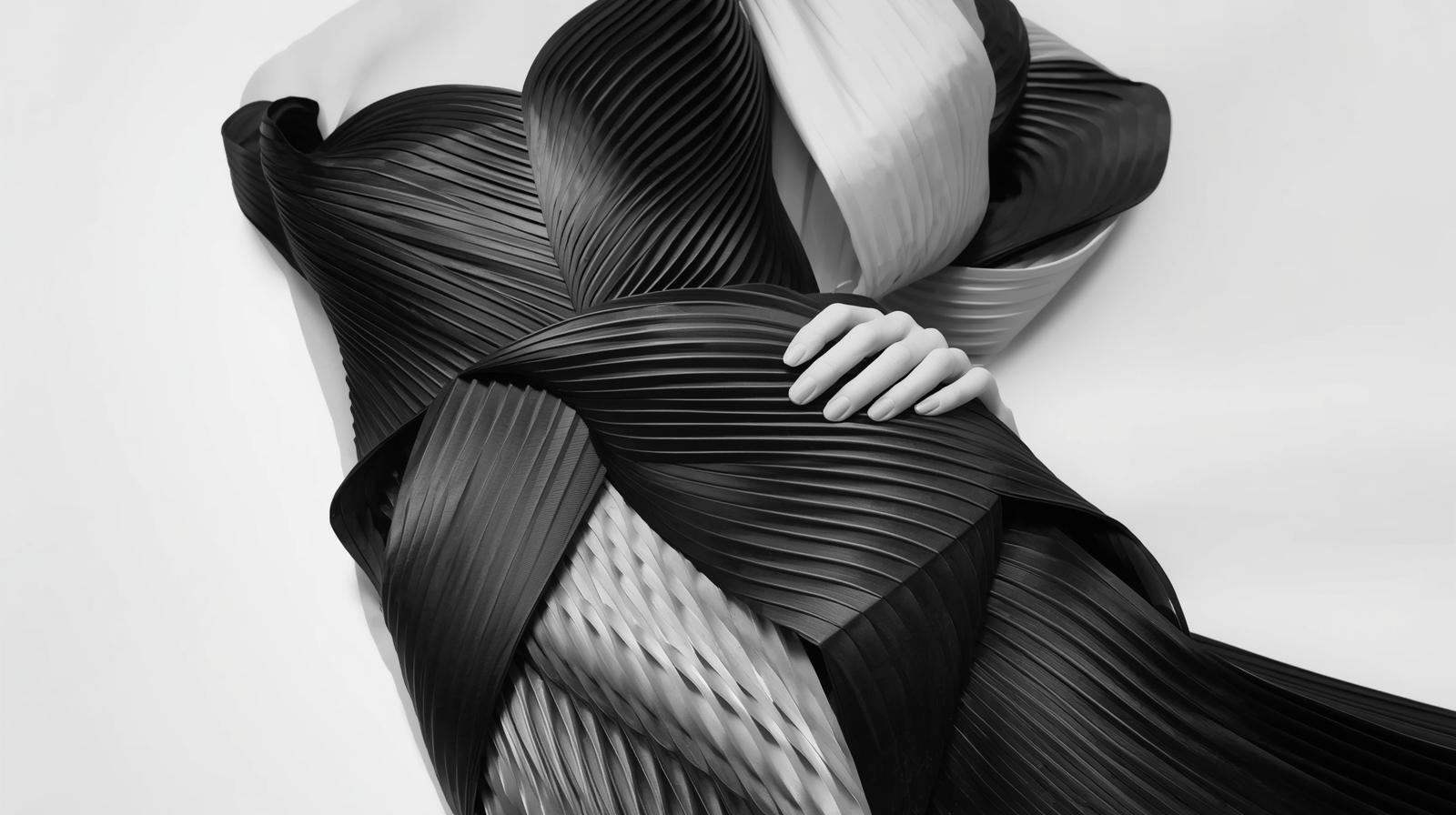
When you add precision pleating to your designs, it's very vital to make sure they fit perfectly. Tailoring helps the pleated shape seem nicer and makes sure it fits perfectly on all body shapes. A competent tailor takes exact measurements and adjusts the depth and spacing of the pleats to make everything look balanced. The result makes the final look seem like it was made just for you.
When making clothes with exact pleats, you need to keep in mind the shape of the person's body. For example, I carefully alter the vertical and horizontal pleats to sculpt the body, letting the curves stand out more while still being comfortable. Furthermore, the way the fabric hangs might change how the pleats fall. A light fabric can form a delicate cascade, and a heavy fabric can give the pleats solidity. In short, skillful tailoring makes pleats more than just embellishments; they become a moving feature that helps the garment preserve its shape and fit.
Famous Designs in Case Studies
These case studies show how precise pleating can transform the way clothes look. This method is great because it makes modern shapes that are both pretty and useful.
Issey Miyake: The designer's iconic Pleats Please line revolutionized the manufacturing process of pleats. There are more than 10,000 different designs.
Alexander McQueen's Highland Rape collection employed pleating to show off structure and make shapes that were very different from each other.
Vivienne Westwood's creations, influenced by various time periods, are well-known. Vivienne Westwood uses pleating to give modern designs an antique vibe.
Balenciaga used pleating in a strong way in his Vionnet-inspired outfits that revolutionized the way high-end manufacturers made apparel.
Well-Known Designers
Some of the most well-known designers have employed precise pleating to construct outfits that break fashion standards. Issey Miyake and Alexander McQueen are two designers who employ this method very well to make clothes that modify how things seem and work.
Items with a signature
Signature works highlight how different designers use precision pleating in their own unique ways. For instance, Issey Miyake's Pleats Please line offers clothes that always keep their shape, and Balenciaga's pleated designs use novel building methods that are based on architecture.
If you look closely at these distinctive pieces, you'll discover that each designer has their own technique of pleating that makes them unique. For example, Miyake's polyester blend generates fabrics that last and stay crisp and full. McQueen's strong designs frequently have mysterious and dramatic features, which make outfits that tell stories. Each component is a stylistic choice that reveals the designer's viewpoint. This technique shows how precise pleating may be utilized to make art.

What Will Happen Next with Precision Pleating
As we move forward, precise pleating will leverage the newest tools to make textiles easier to work with and design. Better 3D printing and digital fabric manipulation will make pleating designs more flexible and easy to change. This will modify how silhouettes are made. AI-powered design tools will make the creative process easier and faster than ever before for both novice and seasoned designers.
Things to think about for long-term success
In the future, precise pleating will focus more and more on being good for the environment. This means using materials that are good for the environment and manufacturing things in a way that is good for the environment. Designers are putting organic and recycled materials at the top of their lists because they are better for the environment and look fantastic. The garment industry is trying to be more eco-friendly, and one way to do that is to find innovative ways to pleat that make less waste.
New Designers
New designers are redefining the field of precision pleating by adding their own thoughts to the technique. They are using strange materials and methods to make unique, intriguing works that are different from the normal way of pleating. By partnering with technologists and textile innovators, these designers are expressing what a new generation wants and values in their collections.
For example, designers like Harris Reed and Khaite are using precise pleating to construct clothes that show off the beauty of structure and fit in with modern concepts of individuality and inclusivity. They generally wear pleated clothes that don't fit traditional shapes and use vibrant, eco-friendly textiles to communicate stories about their pasts. Not only does this new method of doing things grab people's attention, but it also makes the fashion business as a whole more open to new ideas and old-fashioned skills.
Last Thoughts
In conclusion, I think that precise pleating has a huge impact on modern fashion because it gives designers new ways to adjust how clothes fit. You can get better at what you do and be more creative by applying these approaches in your designs. This expertise not only helps things look better, but it also makes sure they fit well and seem new. If you use precise pleating, your work will be at the cutting edge of fashion, changing how clothes are manufactured and This refers to how people perceive them in the future.