
22nd Jan 2026
Quiet Luxury Is Evolving-Here’s What It Looks Like Now
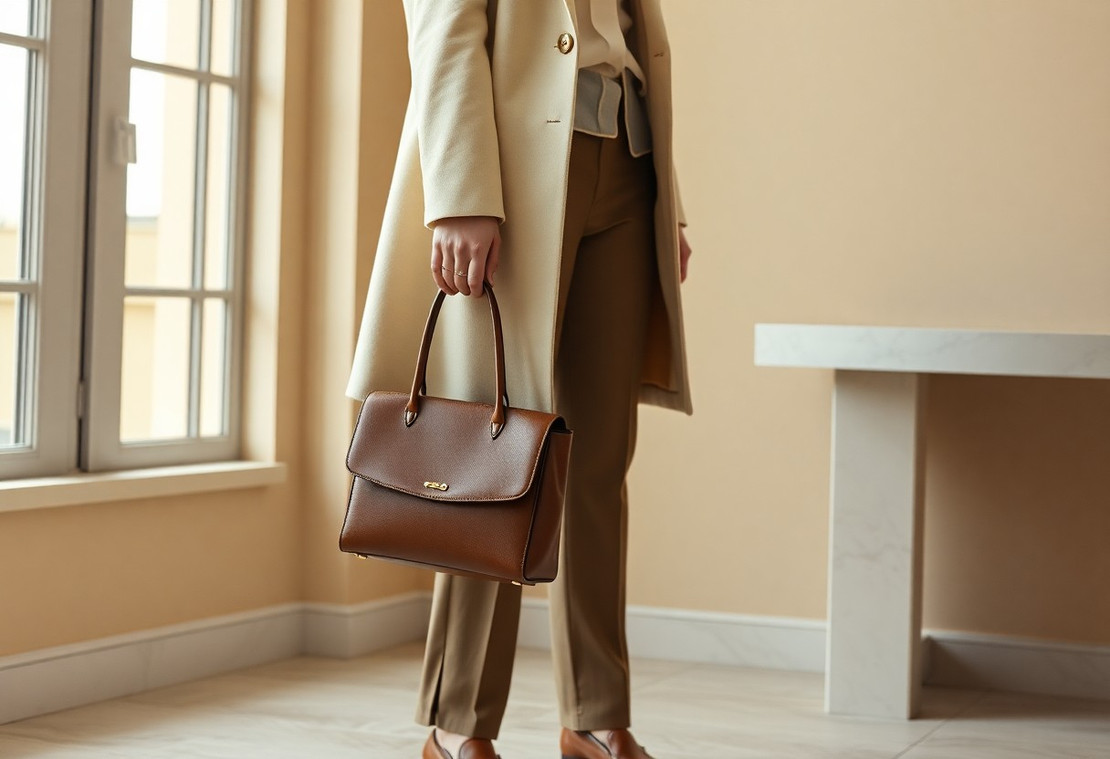
Over the last few years, quiet luxury has shifted from logo-free basics to a focus on sustainable craftsmanship, timeless silhouettes, and investment-grade materials, so you should prioritize pieces that hold value and avoid flashy labels; be wary of counterfeits and greenwashing that undermine authenticity. You’ll see designers blending heritage techniques with modern tailoring, and your wardrobe benefits from longevity, resale potential, and subtle signals of refined taste.
Defining Quiet Luxury
You'll recognize quiet luxury by its absence of logos and emphasis on substance: muted palettes, immaculate tailoring, and materials like cashmere, silk, and calfskin sourced from Italian and Scottish mills. Brands such as Hermès and Loro Piana exemplify it—Hermès Birkin often resells for over $10,000—but you also find it in bespoke tailors and small ateliers where finish, fit, and provenance signal value, not ostentation.
Historical Context
You can trace quiet luxury to aristocratic restraint and mid‑century Savile Row tailoring; Jil Sander’s 1990s minimalism and Hermès’ craft emphasis in the 2000s reinforced the aesthetic. After the 2008 downturn and again post‑2020, buyers shifted toward longevity and provenance, boosting resale and bespoke markets and pushing houses to emphasize small‑batch production, repair services and supply‑chain transparency.
Key Characteristics
You should look for muted palettes, clean silhouettes, and artisanal details—think single‑needle tailoring, hand‑finished hems and discreet embossing. Leather weight, stitch precision and mill provenance matter: a Loro Piana sweater or a full‑canvas suit tells you more than a logo patch. Also be aware of shallow imitations; greenwashing and counterfeit construction are common when mainstream brands mimic the look.
You’ll evaluate fabrics by hand: cashmere at 14-19 microns feels smooth, silk weights (8-16 momme) drape differently, and heavy calfskin shows tight grain and weight. Hardware should be weighty brass or palladium‑plated, zippers from Riri or Lampo indicate quality, and details like hand‑stitched buttonholes, full‑canvas construction, and hand‑rubbed edge paint distinguish true makers—inspect provenance labels and mill codes to verify authenticity.
The Evolution of Aesthetics
Younger buyers now blend archival tailoring with relaxed silhouettes: think a 1980s-inspired boxy blazer reworked in soft Italian wool paired with relaxed denim. You’ll notice designers favor fewer logos and more provenance—atelier stitching, numbered garments, and region-specific textiles—so your purchases feel both understated and narratively rich. Embrace pieces that age well; investment knits, hand-finished seams, and single-origin leathers are how quiet luxury signals permanence today.
Minimalism vs. Maximalism
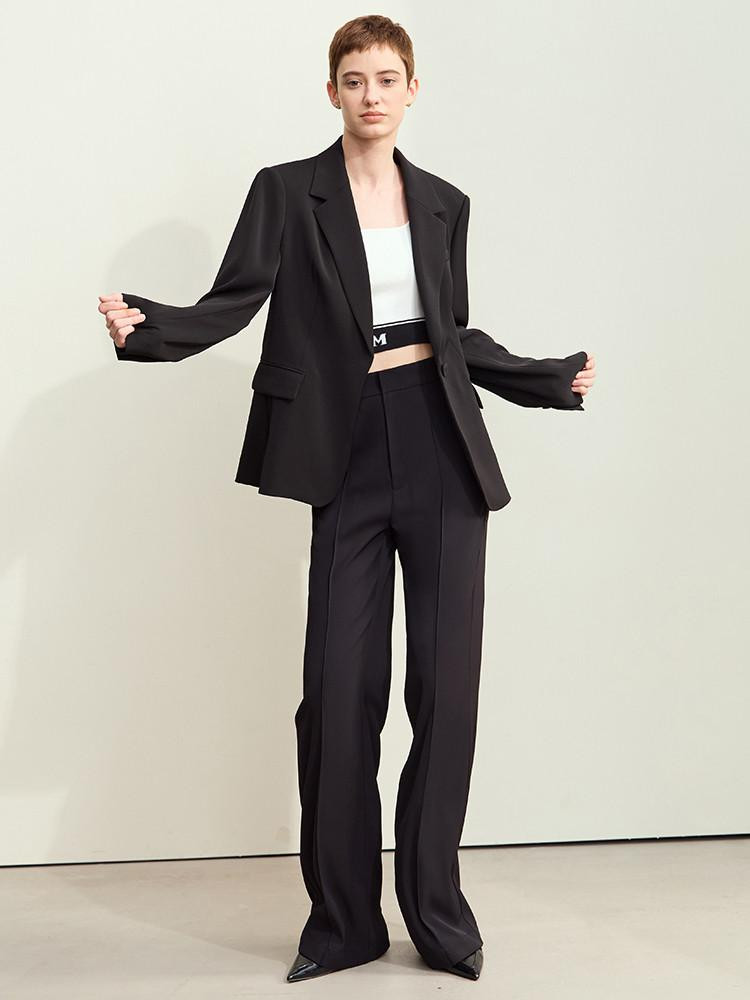
Minimalism still governs the backbone of quiet luxury—clean lines, neutral proportions, and a focus on fit—but maximalism injects texture and storytelling through vintage finds, artisanal prints, and layered accessories. You can aim for a roughly 70/30 neutral-to-accent balance, using one or two statement pieces (a patterned coat or embellished loafer) to puncture restraint without undermining it. Brands like The Row favor the former; archival-driven labels and upcycling houses lean into the latter.
Color Palettes and Materials
Warm neutrals—greige, oyster, and mushroom—pair with muted accents such as sage, terracotta, and deep navy; these ranges let you rotate staples season to season. Materials trend toward natural fibers: brushed wool, washed linen, matte calfskin, and unglazed silks, while recycled cashmere and certified leathers appear more often. You should prioritize tactile depth over flashy hues: texture reads as luxury even when color is subdued.
When updating your wardrobe, start by converting hex-based color thinking into practical swaps: replace three seasonal synthetics with two midweight wool trousers and one unstructured blazer, then add a single-color accent like a terracotta knit. Choose materials with traceability labels listing the mill or tannery to add value, and avoid high-gloss synthetics, which can read as inexpensive; matte, hand-processed finishes will keep your pieces appearing intentionally restrained and long-lived.
Quiet Luxury in Fashion
You'll notice the shift from logos to substance: garments prioritize provenance, with pieces made from 18-30 micron cashmere, artisanal leather and hand-finishing that justify retail tags like $800-$3,000 for cashmere or $3,000-$6,000 for blazers. Brands lean into longevity and repairability, so your purchase often becomes an investment rather than a trend-driven buy.
Influential Designers
Designers reshaping quiet luxury include The Row (founded 2006), Phoebe Philo at Celine (2008-2017), who refocused minimalism, Jil Sander’s disciplined tailoring, and Tomas Maier’s tenure at Bottega, each favoring restraint over branding. You should watch for pieces from heritage houses like Loro Piana (acquired by LVMH in 2013) for material-first quality—and be wary of counterfeits when prices spike.
Signature Pieces
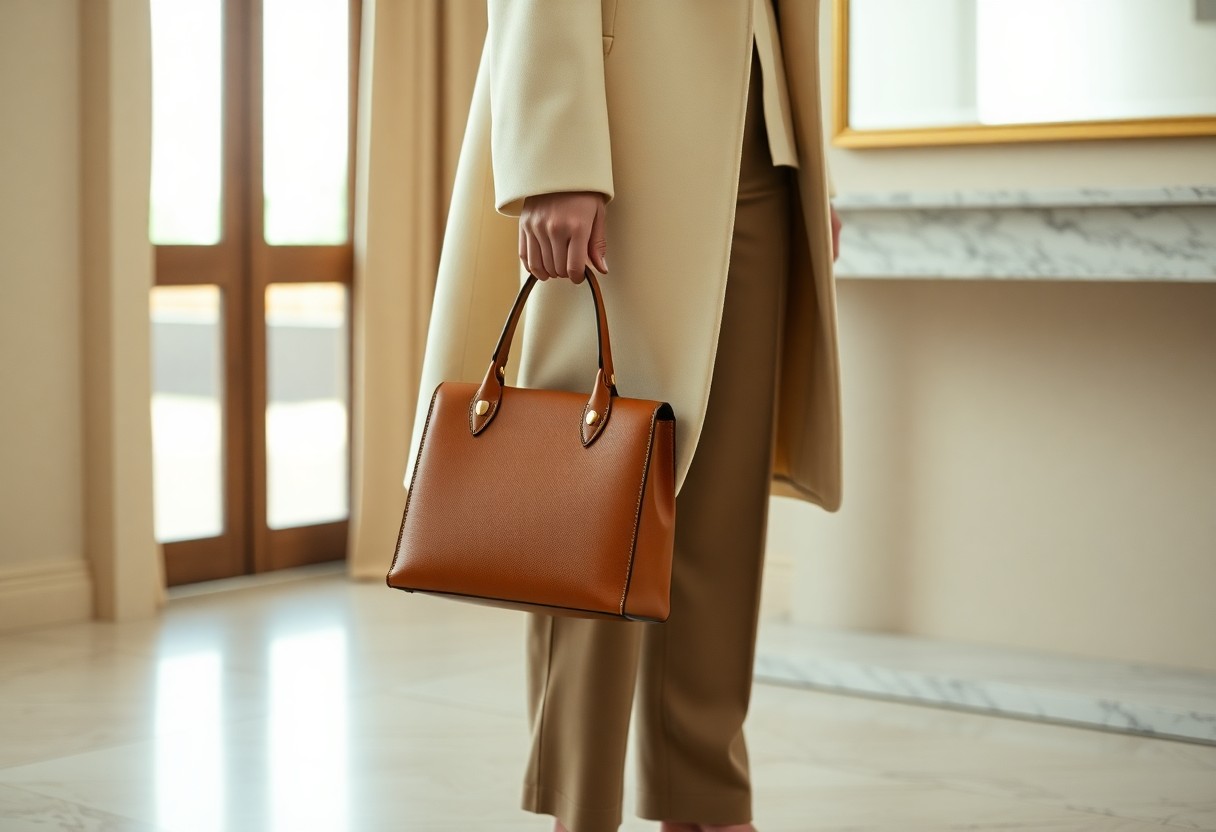
Key items you’ll see everywhere: a camel coat, a full-canvas blazer, cashmere crewnecks, leather loafers and structured bags such as the Hermès Birkin—whose resale often exceeds $10,000. These staples command premium prices because they combine timeless silhouettes with durable materials that wear better over years.
When assessing signature pieces, inspect construction: full-canvas suits and hand-stitched buttonholes indicate hours of skilled labor, coats milled from top-grade wool show consistent nap, and leather goods carry tannery provenance and serial codes. You can often extend a piece’s life through resoling, re-lining or specialist repairs, turning an expensive buy into long-term value.
Quiet Luxury in Home Design
You’ll notice quiet luxury in homes through restrained material choices and purposeful detailing: think quarter-sawn oak, honed limestone, and matte metal hardware, paired with built-in storage and integrated lighting. You should favor a palette of two to three neutral tones, prioritize tactile finishes over logos, and choose systems—HVAC, acoustics, smart shades—that perform silently so your space reads as timeless rather than trendy.
Architectural Trends
You’re seeing three dominant moves: simplified massing with deep overhangs, floor-to-ceiling glazing confined to private courtyards, and service cores pushed to the rear to keep facades calm. Examples include Scandinavian proportioning and Japanese engawa-like transitional spaces; architects often combine passive strategies—thermal mass and cross-ventilation—with acoustic insulation to make quiet luxury both beautiful and functional.
Interior Decor Elements
You pick furniture with refined joinery, fewer decorative objects, and one meaningful artwork per room; textiles lean toward wool, cashmere, and natural linens, while kitchens use handleless cabinetry and honed stone. Emphasize durable, low-maintenance finishes and matte metals so your interiors age gracefully and avoid visual noise from excess ornament.
You can make specific choices that deliver the quiet-luxury feel: install layered lighting with 2700K LEDs and dimming down to 5% for ambience, use large-format tiles and concealed drains in baths, and specify 100% wool rugs or leather-trimmed upholstery for longevity. For example, swapping laminate for quarter-sawn oak and upgrading to integrated appliances creates a cohesive look that reads as intentional investment, while avoiding low-quality laminates that quickly undermine the effect.
The Role of Sustainability
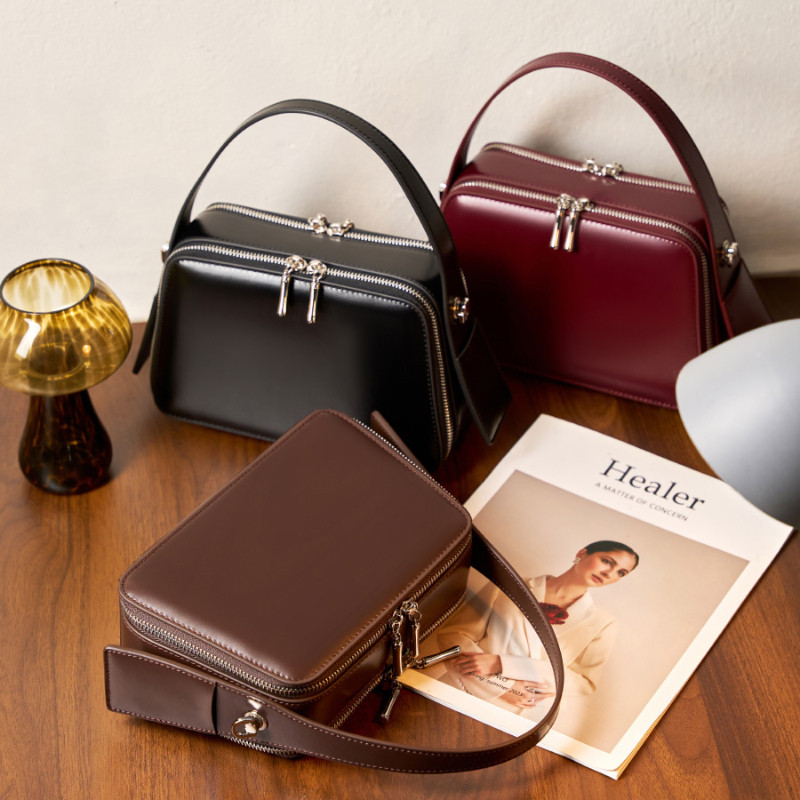
Quiet luxury now ties directly to how long a piece lives and how it was made, so you evaluate brands by repair policies, resale value and traceability; pieces designed to last 5-10 years become investments rather than trends. Examples like repair programs and certified supply chains shift your buying toward durability, while resale platforms extend value and reduce waste—so your choices reward companies prioritizing longevity and transparent impact reporting.
Ethical Brands
When you shop quiet luxury, ethical brands such as Patagonia (founded 1973) and Stella McCartney set the bar with visible commitments: Patagonia’s repair and trade-in initiatives and membership in the 1% for the Planet movement, and Stella McCartney’s long-standing ban on fur and leather alternatives prove that luxury can be both refined and accountable, giving you provenance and labor transparency alongside impeccable finishing.
Sustainable Materials
You look for materials that reduce resource strain and maintain hand and drape—examples include Tencel (lyocell), recycled polyester and regenerated nylon (Econyl) made from fishing nets. Tencel’s closed-loop solvent recovery can reclaim ~99% of process chemicals, and regenerated nylon cuts reliance on virgin feedstocks, letting you keep classic silhouettes while lowering embodied impact.
Digging deeper, you’ll notice Piñatex and mushroom leathers (Mylo) appear in accessories, and recycled cashmere blends preserve softness while avoiding new fiber demand; brands are combining certifications like GOTS and OEKO-TEX with mill-level traceability, so you can verify fiber origin and production practices before committing to a high-value piece.
Consumer Behavior and Quiet Luxury
Demographic Shifts
Younger cohorts—millennials and Gen Z—are the fastest-growing luxury buyers; Bain & Company projects they will represent around 75% of luxury spending by 2030. You witness this in resale demand, social-driven discovery, and preference for experiential value, while older high-net-worth buyers keep fueling demand for bespoke, heritage craftsmanship. Brands that bridge both—offering understated tailoring alongside authenticated vintage and aftercare—capture immediate growth and sustained loyalty.
The Modern Consumer's Values
Sustainability, provenance, and durability now steer purchases: surveys show roughly 70% of shoppers say environmental impact influences buying, so you prioritize materials, repairability, and transparent supply chains. You prefer subtle branding, timeless cuts, and stories of artisan craft, which boost both emotional attachment and resale value, while greenwashing increasingly damages trust.
You respond to tangible proof points—programs like Patagonia’s Worn Wear and authenticated resale platforms such as The RealReal increase trust, and brands that maintain waiting lists or limited releases (Hermès-style scarcity) preserve secondary-market value. You also expect direct-to-consumer channels, clear provenance, and repair or trade-in options; offering those proven ownership pathways turns a one-time sale into long-term brand equity while avoiding the reputation risks of superficial sustainability claims.
Final Words
Ultimately you will see quiet luxury shifting toward timeless craftsmanship, understated branding, and sustainable materials; you should prioritize quality, provenance, and versatility, favoring pieces that age gracefully and reflect personal restraint. As you curate your wardrobe and spaces, focus on tactile fabrics, subtle details, and investments that speak to intent rather than flash.