
21st Jan 2026
Romantic Revival - The Return of Ultra‑Feminine Fashion
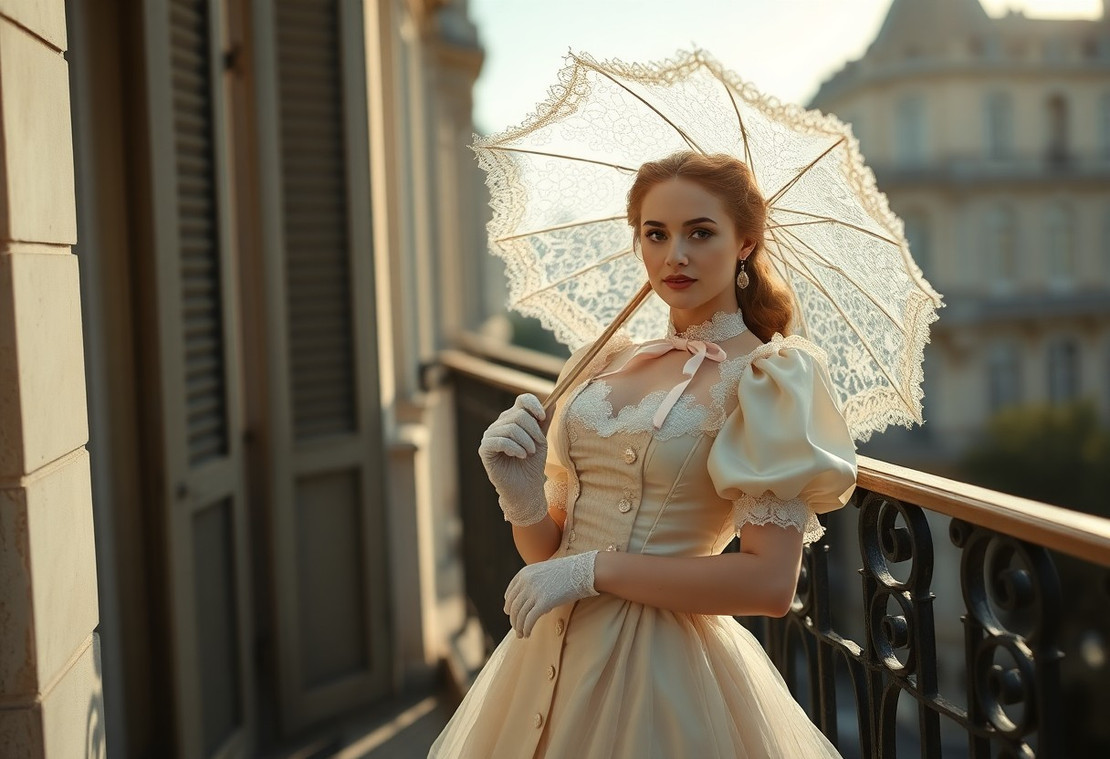
Many designers and consumers are rediscovering ruffles, lace, and soft silhouettes; for you, this signals a mainstream shift toward ultra-feminine aesthetics, which carries the danger of reinforcing and limiting gender norms while also offering a positive resurgence of skilled craftsmanship, sustainable materials, and intentional self-expression, guiding how your wardrobe and cultural taste evolve today.
Historical Context
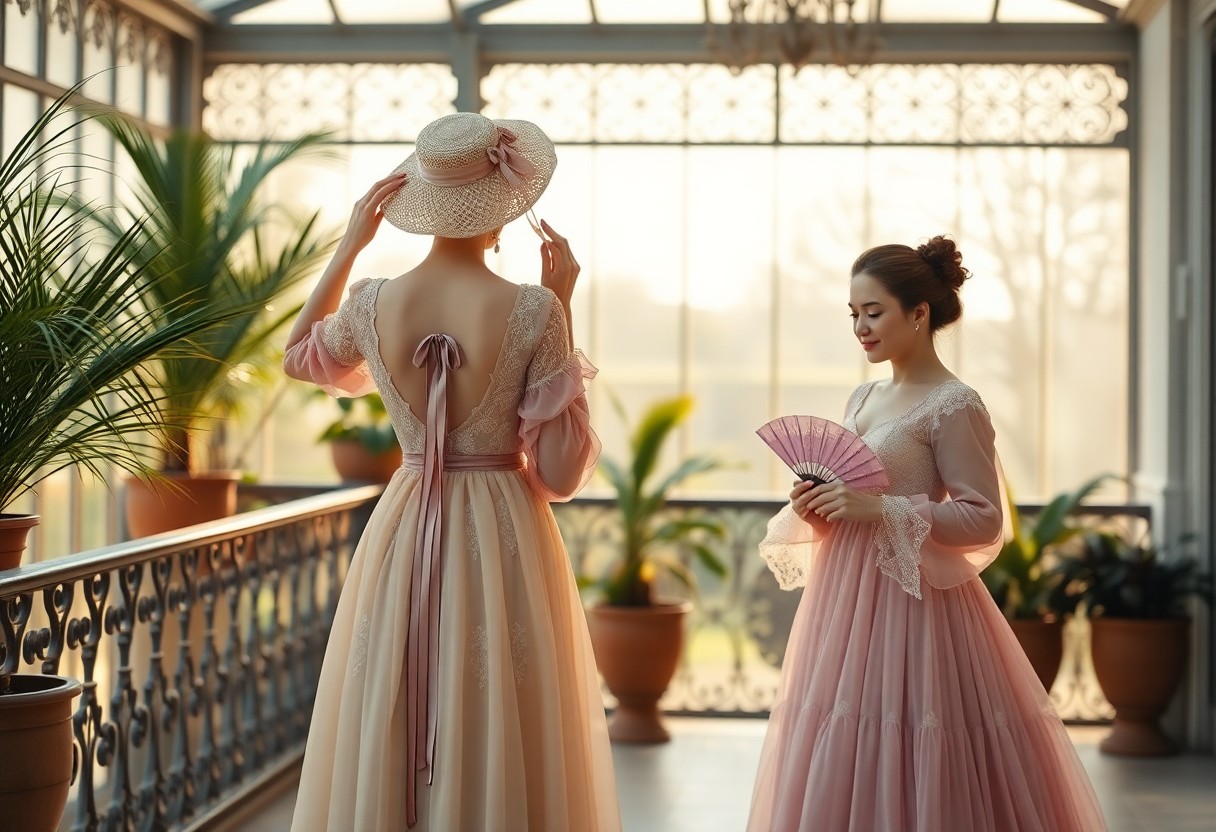
Tracing the arc of ultra-feminine fashion reveals recurring cycles driven by social trends, technology, and taste shifts. You can see how the 19th century's structured silhouettes gave way to 20th‑century softening after World War II, while late‑20th and early‑21st century designers repeatedly mined those archives; the result is a layered revival that blends Victorian detailing, mid‑century volumes, and contemporary streetwear cues into the current romantic moment.
Origins of Ultra-Feminine Fashion
Origins lie in the Victorian and Edwardian eras—1837-1914—when full skirts, lace and bows signaled status and gender roles. You encounter the lineage again in Dior's New Look (1947), which reinstated nipped waists and voluminous skirts after wartime austerity. Later, 1970s Laura Ashley florals and 1990s slip dresses recycled those motifs, so your modern romantic wardrobe feels both historic and repeatedly reinterpreted.
Key Influences on Romantic Revival
Designers and cultural moments converge to fuel the revival: Victorian ornamentation, Dior's postwar silhouette, and Alessandro Michele's 2015 Gucci reboot pushed florals, ruffles, and nostalgia back into mainstream visibility. You also spot contemporary advocates—Simone Rocha and Erdem—whose runway shows translate tea dresses and pearl embellishments into commercially successful, repeatable looks for high street and luxury alike.
For example, Simone Rocha's early‑2010s collections made puff sleeves and pearl trims a diaspora across retailers, while Erdem's consistent floral printing created a template for romantic eveningwear. You should note historical tradeoffs: Victorian tightlacing and heavy corsetry were functionally restrictive and, in some cases, harmful to health, which contemporary designers avoid by prioritizing comfort and movement while keeping visual drama.
Contemporary Trends
Across runways and street style, you’re seeing a blend of Victorian detail and modern practicality: corsetry, ruffles, bows, and tulle reappear alongside tailored blazers and chunky footwear. Designers such as Simone Rocha (founded 2010), Molly Goddard (2014) and Giambattista Valli (2005) pushed these motifs through 2023-24 shows, while high-street brands translate them into wearable pieces you can actually incorporate into day-to-day dressing.

Modern Interpretations of Ultra-Feminine Aesthetics
When you interpret ultra-feminine today, it’s about contrast: a voluminous tulle skirt balanced with a leather jacket, or a boned bodice layered over an oversized shirt. Street-style photos from 2023-24 highlight pastel suiting, micro-ruffles, and corset belts as staples, and sustainability enters the mix with recycled lace and organic cotton replacing traditional trims in many capsule collections.
Iconic Designers Leading the Charge
If you follow label signatures, Simone Rocha’s pearl embellishments and bows, Molly Goddard’s hand-pleated tulle, and Giambattista Valli’s monumental skirts define the movement; designers like Richard Quinn and Miu Miu add bold prints and schoolgirl references, ensuring the trend spans couture and ready-to-wear.
Delving deeper, you’ll notice Rocha often uses costume-like pearl clusters and satin insets to soften tailoring, while Goddard maintains in-house production in London and emphasizes artisanal shirring. Giambattista Valli deploys layers of tulle to create volume that reads as both bridal and eveningwear, and Miu Miu recasts youthful motifs into high-fashion statements you can adapt for daytime.
Cultural Impact
You witness ultra-feminine fashion reshaping both luxury and streetwear: after Alessandro Michele’s 2015 makeover at Gucci and Dior’s romantic nods, bows and ruffles moved from runways into mainstream catalogs within seasons. Vintage shops and resale platforms grew as you sought authenticity, while high‑street copies created a surge in consumption; that commercial feedback loop both expanded access and amplified environmental harm, forcing brands to balance heritage aesthetics with more sustainable production models.
The Role of Social Media in Fashion Revival
You see trends accelerate because platforms reward visual moods: TikTok surpassed 1 billion monthly users in 2021, and Instagram remains a visual marketplace, so a single viral clip can make a prairie dress sell out within 48 hours. Hashtags like #cottagecore concentrate aesthetics, while micro‑influencers convert niche looks into mainstream demand; social media’s reach is the engine behind rapid trend cycles, and it also powers fast‑fashion replication that increases waste.
Fashion Icons and Their Influence
You track revival momentum through celebrity choices: Taylor Swift’s 2020 "folklore" era and Florence Welch’s stage wardrobe normalized flowing silhouettes, while modern stars repeatedly wearing designers like Erdem and Ulla Johnson produce immediate retail effects. Red‑carpet endorsements and street‑style snapshots turn archival details into fresh buys, making icons direct catalysts for both taste formation and market spikes.
You can analyze concrete moments: Swift’s visible shift to cottagecore‑leaning dresses in 2020 coincided with spikes in vintage dress searches, and Alessandro Michele’s Gucci (2015-2022) provided designers a blueprint for maximalist romance. When celebrities collaborate with niche brands, you often see short‑term sellouts and longer‑term category growth; celebrity endorsement drives measurable sales uplifts, yet it also invites fast‑fashion copycats that erode design value.

Styling Ultra-Feminine Looks
When styling ultra-feminine outfits, focus on proportion: pair full midi skirts with a fitted bodice and a 2-3 inch heel to lift the silhouette. Mix textures such as silk blouses and lace trims, and balance volume by tucking or adding a cropped jacket. Use soft palettes—powder pink, dove grey, or cream—or a single bold red accent nodding to Dior's 1947 'New Look.' Protect delicate fabrics from abrasive bags to avoid snags.
Essential Wardrobe Pieces
Your capsule should include a tea-length full skirt, a fitted corset or waistcoat, a silk blouse (100% silk or silk blend), a slip dress for layering, and a cropped knit or cardigan. Add two shoe styles: 1-2 inch kitten heels and ballet flats, plus a structured coat for outerwear. Prioritize garments with French seams or reinforced hems, and consider investing in five well-made pieces instead of many fast-fashion items.
Accessorizing for Maximum Impact
You should limit to three focal accessories per outfit-for example a pearl necklace, a structured microbag, and a hair scarf—to maintain balance. Combine vintage brooches with modern studs for contrast, and stack 2-3 slim rings rather than chunky pieces near fragile lace. Be aware that heavy metal chains can tear silk or sequins; keep accessory weight low on delicate garments.
Try layering a choker with a 20-40 cm pendant chain for dimension and add a 2-3 cm waist belt to instantly define high-waist skirts. Mix one gold piece amid silver accents to create polish without clutter. Take cues from 2023 runway looks by Alessandra Rich and Zimmermann—pearls and bows translated well off the catwalk—and when wearing gloves, choose elbow-length leather for structure or cotton for daytime softness, avoiding oversized hardware that can snag sleeves.
Emotional and Psychological Aspects
When you slide into ruffles or a soft floral dress, the effect is immediate: increased introspection, nostalgia, and a sense of narrative about your day. Neuroscience and consumer research link tactile detail and silhouette to memory and mood, so this revival isn't just fashion—it's a set of cues that shape how you process attention, social feedback, and risk, turning garments into tools for emotional regulation and social signaling.
Empowerment through Feminine Fashion
You can use ultra‑feminine pieces as deliberate signals of agency: lace, cinched waists, and bows become markers of intent rather than submission. A 2012 study on enclothed cognition showed clothing affects cognition and performance, and celebrities like Taylor Swift and Florence Pugh demonstrate how dresses can function as stage armor, boosting confidence for public-facing roles and amplifying presence in press, work, and social media.
Rejection of Gender Norms
More people now adopt feminine silhouettes regardless of assigned gender, and you can follow that lead without apologizing: Harry Styles' December 2020 Vogue cover and the rise of designers like Harris Reed and Palomo Spain normalized skirts, ruffles, and lace on men. This shift brings greater visibility but also potential backlash, so navigating styles can be both liberating and, at times, contentious.
Digging deeper, runway case studies highlight how the trend spread: Alessandro Michele's Gucci collections (mid‑2010s onward) blurred menswear boundaries with florals and pearls, while streetwear labels and boutiques expanded inventory to include gender‑fluid options. If you track search trends and celeb red‑carpet moments, you see clear spikes in demand after high‑visibility events, illustrating a designer‑led shift into mainstream retail and faster adoption among younger shoppers.
Sustainability in Romantic Revival
Industry data shows the fashion sector produces roughly 10% of global carbon emissions and generates over 92 million tonnes of textile waste annually, so you can push the ultra‑feminine trend toward circularity by favoring repair, low‑impact fibers like GOTS‑certified organic cotton or LENZING™ TENCEL, and choosing pieces with documented lifecycle footprints.
The Shift Towards Ethical Fashion
Brands such as Reformation (with its RefScale footprint metric), Eileen Fisher (Renew program), and Patagonia (Worn Wear repairs) show how you can demand transparency: look for GOTS, OEKO‑TEX, and B Corp labels, supplier audits, and published wage commitments, which turn aesthetic choices into measurable reductions in water use, chemicals, and labor risks.
Vintage and Thrift Culture
Resale platforms like Depop, The RealReal and ThredUp have mainstreamed secondhand, and the market is estimated to approach roughly $218 billion by 2029, so you can source authentic ultra‑feminine silhouettes—lace, ruffles, hand‑embroidery—while directly cutting new production demand and extending garment lifespans.
When you hunt vintage, inspect seams, linings and labels for fiber content and signs of moth damage, stains or fragile hems; prioritize solid construction and natural fibers that can be altered; and consider local tailors or upcyclers who can transform a $50 find into a signature dress, keeping both cost and waste down.
Final Words
Hence, as Romantic Revival—The Return of Ultra‑Feminine Fashion—reclaims runways and wardrobes, you can draw from its delicate details—ruffles, lace, and soft silhouettes—to refine your personal style, modernize classics, and balance nostalgia with wearable proportion and contemporary practicality.