
6th Feb 2026
Sciura Dressing - Italian Elegance and Sophistication
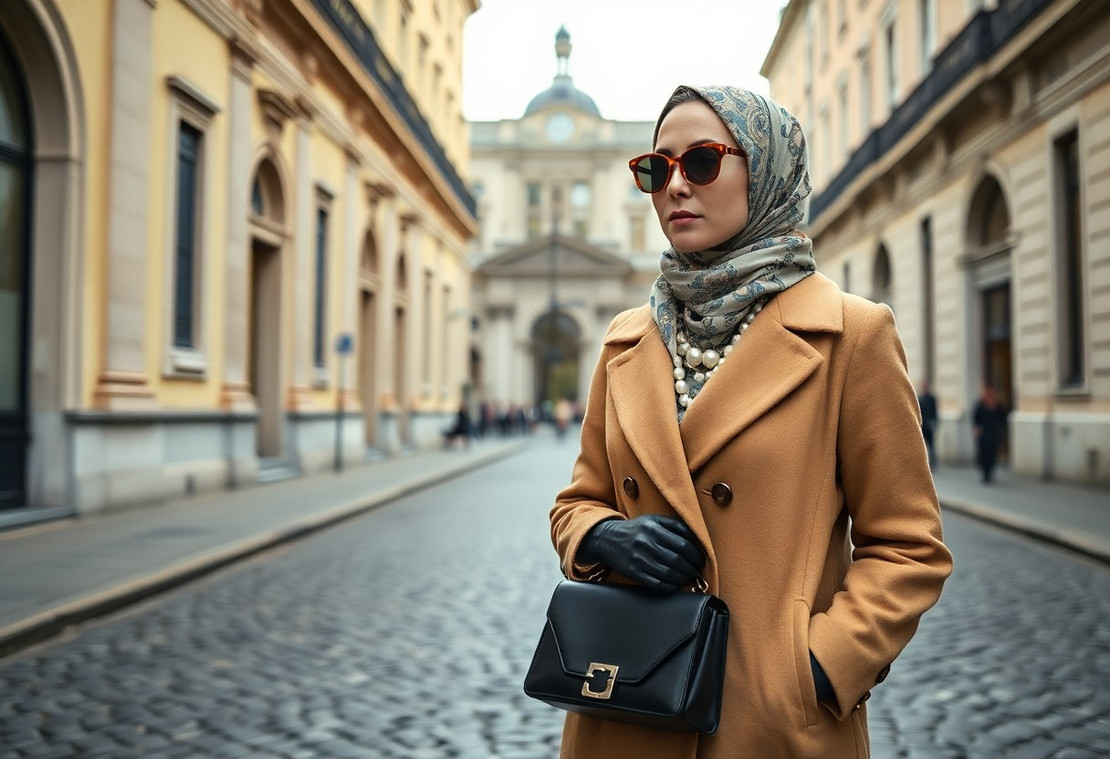
Over generations, Sciura dressing teaches you to prioritize timeless tailoring and exceptional fabrics so your style reads as refined, not flashy; you adopt muted palettes, structured coats, and thoughtfully placed accessories while avoiding the risk of appearing contrived from over-accessorizing, which can undermine authenticity. This tradition shows you how to project confidence with restraint, blending heritage elegance and modern practicality for a lasting, sophisticated presence.
Origins and Cultural Context
In the Lombard dialect, "sciura" literally means "lady," and in Milan, it crystallized as a social shorthand for measured display and civic elegance. You spot its birthplace in the postwar 1950s-60s economic boom (the miracolo economico), around Quadrilatero della Moda and Teatro alla Scala, where civic pride, institutional patronage, and refined consumption produced a distinct sartorial grammar.
The Milanese "sciura" archetype and social codes
You adopt an aesthetic that signals pedigree through restraint: invest in craftsmanship, favor tailored coats, pearls, headscarves and discreet Hermès or vintage bags, and avoid gaudy logos. Public arenas—cafés in Brera, La Scala, and Via Monte Napoleone—function as stages where your grooming and silence about price convey more than any label.
Historical influences: postwar elegance to contemporary icons
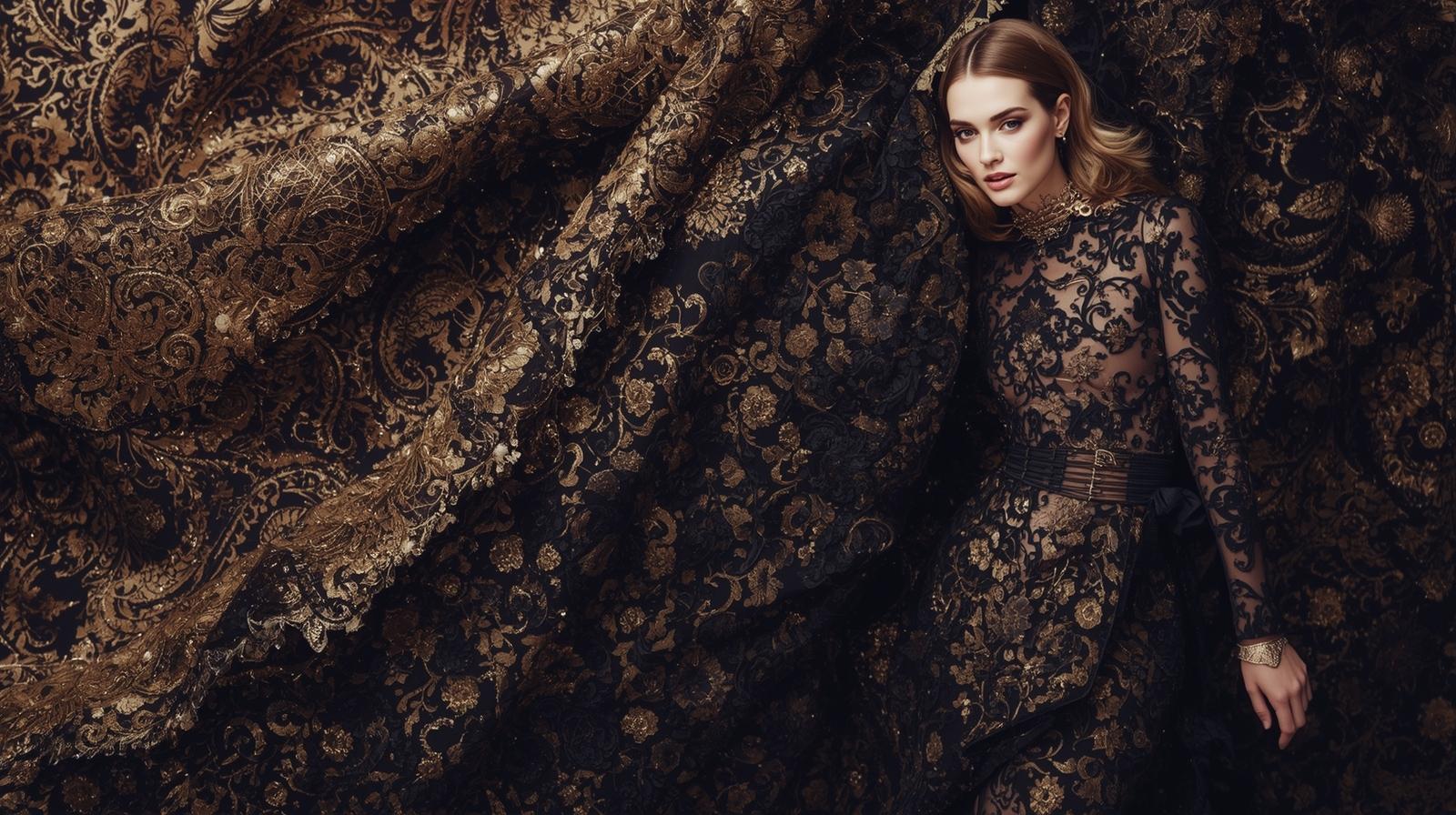
Evolution traces from 1950s furs and gloves to cleaner lines in the 1970s and beyond; designers and editors mediated that shift. Giorgio Armani (brand 1975) softened silhouettes, while Miuccia Prada transformed heritage leather into conceptual modernity. Public attitudes shifted, with icons like Sophia Loren and Franca Sozzani translating aristocratic codes into mass cultural reference points.
After the 1950s boom and the 1958 founding of the Camera Nazionale della Moda, Milan institutionalized its fashion authority. You can map milestones—Armani’s 1975 tailoring revolution, Miuccia Prada’s late‑1970s reinvention, and Franca Sozzani’s Vogue Italia tenure (1988-2016)—onto changing consumer ethics; today the challenge is reconciling heritage pieces with sustainability and intense media scrutiny.
Core Principles of Sciura Dressing
You prioritize fit, material and restraint: a tailored coat, a silk blouse, and one statement accessory create the Sciura silhouette. Aim for a wardrobe where 80% is neutral, and 1-2 pieces per outfit provide contrast; avoid flashy logos. Balance texture and color—matte wool against glossy leather—and use polished details like hand-stitched hems and well-fitted shoulders to signal refinement rather than trendiness.
Tailoring, silhouette and proportion
You calibrate proportions precisely: shoulders should sit flush without pull, sleeves end at the wrist bone, and skirts often fall to mid-calf (about 10-15 cm below the knee). Emphasize a defined waist or structured shoulder to create an elegant line; if you wear wide trousers, pair them with a fitted jacket to preserve balance. Small adjustments—1-2 cm at the hem or waist—transform the entire look.
Fabrics, finish and emphasis on craftsmanship
You select natural fibers first: 100% wool coats, Italian silk blouses and 2-ply cashmere sweaters resist trends and wear better than synthetics. Prioritize garments with hand-stitched buttonholes, finished seam allowances and matched patterns at seams; these details last longer and read as intentional. When shopping, check lining quality and button attachment for hidden workmanship.
For example, choose a Loro Piana-style wool coat with a full canvas interlining and hand-sewn collar, or a Brunello Cucinelli silk blouse with French seams; such pieces often cost more but can last decades. You should rotate items (48-72 hours between wears), dry-clean or hand-wash per label, and avoid cheap synthetic blends prone to pilling and loss of drape. Investing in 2-3 heirloom staples per season yields the biggest style return.
Signature Pieces and Accessories
You curate a wardrobe around a handful of high-impact pieces: one superb coat, two pairs of refined shoes, a structured handbag and selective jewelry. Aim for 2-3 statement items per outfit so your silhouette stays elegant rather than cluttered. Designers like Max Mara for coats or Ferragamo for shoes illustrate how one investment piece can serve you for decades, while rotating accessories keeps looks fresh without excess.
Coats, gloves, shoes and structural garments
Choose a camel wool coat, a classic trench and a fitted cape to cover most seasons; gloves in wrist, elbow and opera lengths let you vary formality. Select shoes with modest heels—kitten heels of about 3-5 cm, loafers or low pumps—and use light shapewear or a tailored waistcoat to sharpen lines. Beware: an oversized coat can swamp your frame, so always prioritize fit and shoulder tailoring.
Jewelry, handbags, sunglasses and tasteful ornament
Favor pearls (about 7-8 mm strands), 14k-18k gold hoops and a single brooch or cameo for refinement; handbags should be structured top-handle or satchel styles—think Bottega or Hermès-level construction—while sunglasses in an oversized cat-eye lend intrigue. Avoid logo-heavy pieces that overpower subtlety; instead, invest in timeless silhouettes you can wear daily or for special events.
When you assemble accessories, follow simple rules: pair one statement item with one subdued piece, rotate handbags weekly, and care for leather with conditioning every 3-6 months. Choose sunglasses with UV400 protection for eye health. If you wear pearls often, have them restrung every 1-2 years to prevent breakage; these small maintenance steps preserve the elegant, effortless image you’re cultivating.
Color, Pattern and Styling Language
Treat color and pattern as the structural language of a sciura wardrobe: you should limit palettes to 2-3 main colors and use the 60/30/10 rule (dominant, secondary, accent) to compose outfits. Apply contrast deliberately—pair matte camel with glossy black or cream with navy—to sculpt the silhouette and draw the eye. When mixing textures, keep one element bold and the rest restrained so your look reads as intentional rather than cluttered.
Classic palettes, contrast and harmonious pairing
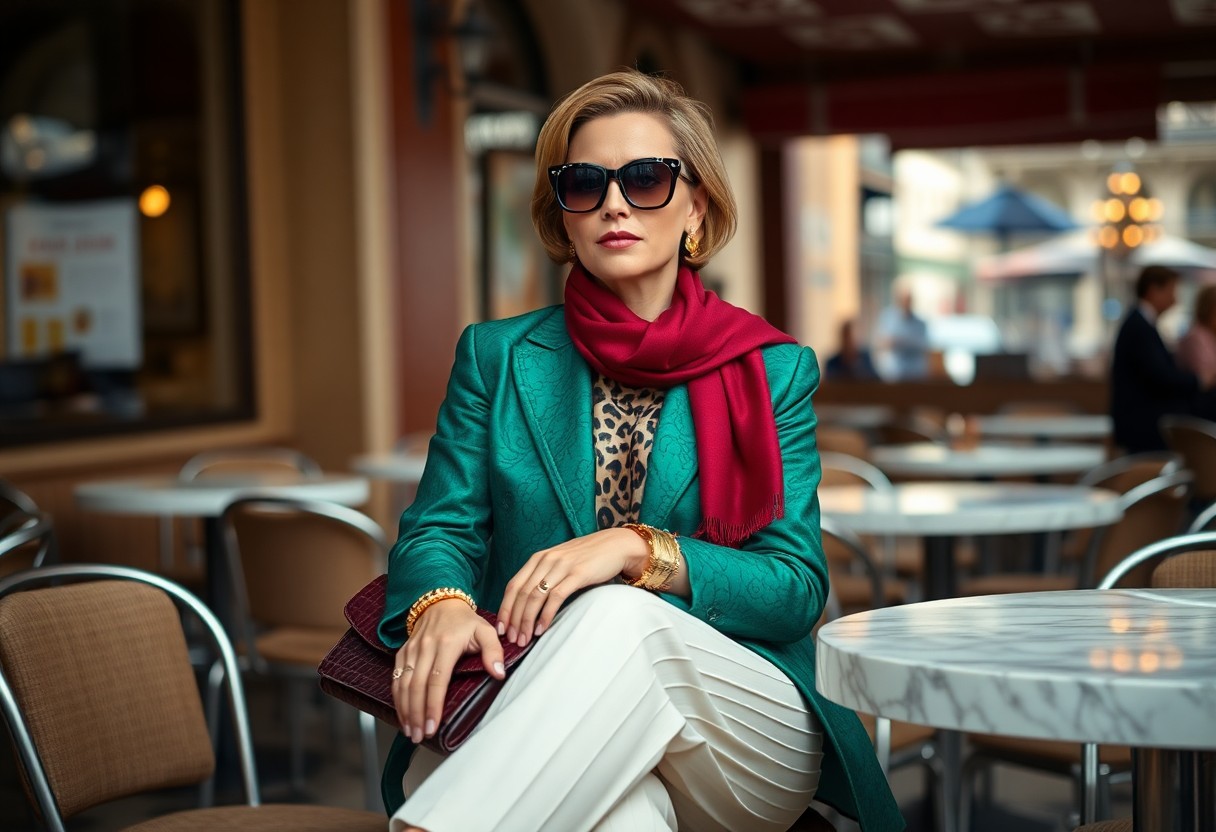
You will find Italian elegance favors neutrals—camel, navy, black, and cream—punctuated by a single vivid accent like scarlet or emerald. Use tonal layering (e.g., three shades of beige) for sophistication, or choose high-contrast combos—black/white or navy/red—for formal occasions. Practical rule: stick to two neutrals plus one accent and vary finishes (wool, silk, leather) to keep the pairing harmonious and visually rich.
Use of prints, scarves and statement details
You should let one print dominate while the rest of the outfit remains simple; one statement print per outfit reads refined. Silk scarves (Hermès-style 90×90 cm) act as focal points—tied at the neck, on a bag, or as a belt—and animal prints or polka dots work best when echoed subtly in accessories. Avoid wearing busy prints head-to-toe, which can overwhelm your silhouette.
Mix scales deliberately: pair a large floral coat with a thin-striped blouse or a small polka-dot scarf so patterns don’t compete. Aim for balance by giving prints 10-40% of visual weight—for example, a printed scarf plus a solid coat plus a patterned shoe or bag. Try three scarf knots (neck knot, French roll, and bag tie) and stick to one metal tone in jewelry to keep statement details cohesive and elegant.
Modern Interpretations and Practical Styling
Adapting tradition for contemporary wardrobes
You can modernize Sciura codes by pairing a tailored midi skirt (60–70 cm) with an oversized cashmere sweater and a structured shoulder, balancing proportions with minimal prints, and limiting patterns to two per outfit. Anchor looks with 2-3 investment pieces—an Italian wool coat, a silk scarf, and leather loafers—and mix those with carefully chosen high-street items. Add a single bold accessory like pearls or a box bag to preserve refinement while keeping ensembles wearable for everyday life.
Sustainable sourcing, brands and wearable examples
Prioritize pieces from Brunello Cucinelli and Loro Piana for Italian-made cashmere, and choose Stella McCartney or Veja for low‑impact manufacturing; you should favor Reformation or People Tree when traceability matters. Seek GOTS, RDS or RWS certifications and plan for a single investment coat (€800-€2,500), a washable merino sweater, and ethical leather loafers; avoid cheap synthetics that pill and shed microplastics.
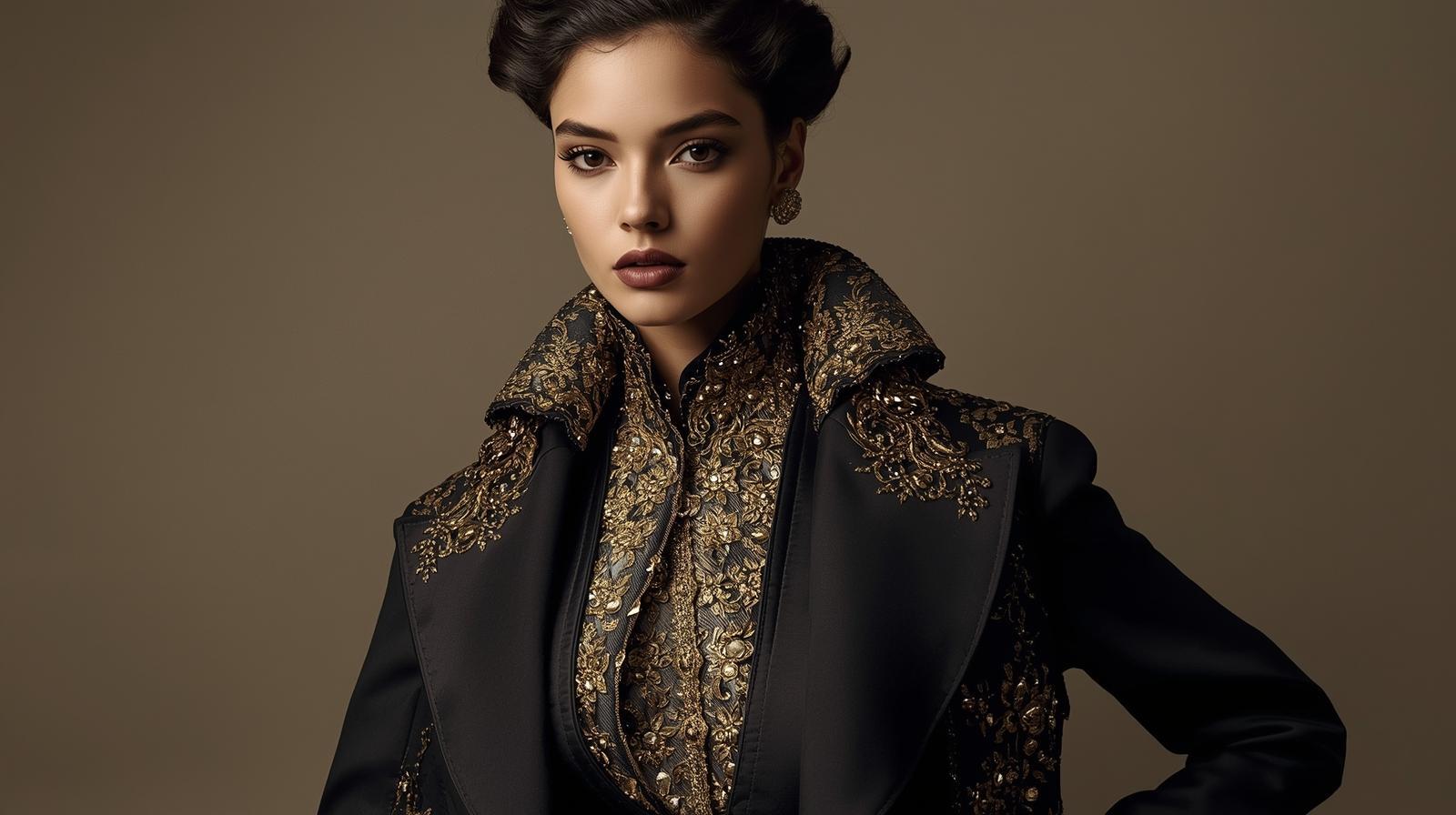
You can source authenticated pieces on resale platforms like Vestiaire Collective and The RealReal at 30-70% lower prices, or hunt vintage in Porta Portese (Rome) and East Market (Milan). Prefer garments with >70% natural fibers, request RDS/RWS traceability, and extend life through repairs and professional tailoring; a single quality hem or reline often adds 5-10 years of wear and significantly reduces your wardrobe’s footprint.
Conclusion
As a reminder, Sciura dressing teaches you to favor quality, timeless silhouettes and subtle luxury so your wardrobe communicates refinement without ostentation; by investing in tailoring, classic accessories, and confident restraint, you cultivate an enduring Italian elegance that elevates your presence and choices, ensuring your style remains sophisticated, personal, and unmistakably well considered.