
3rd Mar 2026
Sculpted Metallic Gowns Inspired by Futuristic Armor
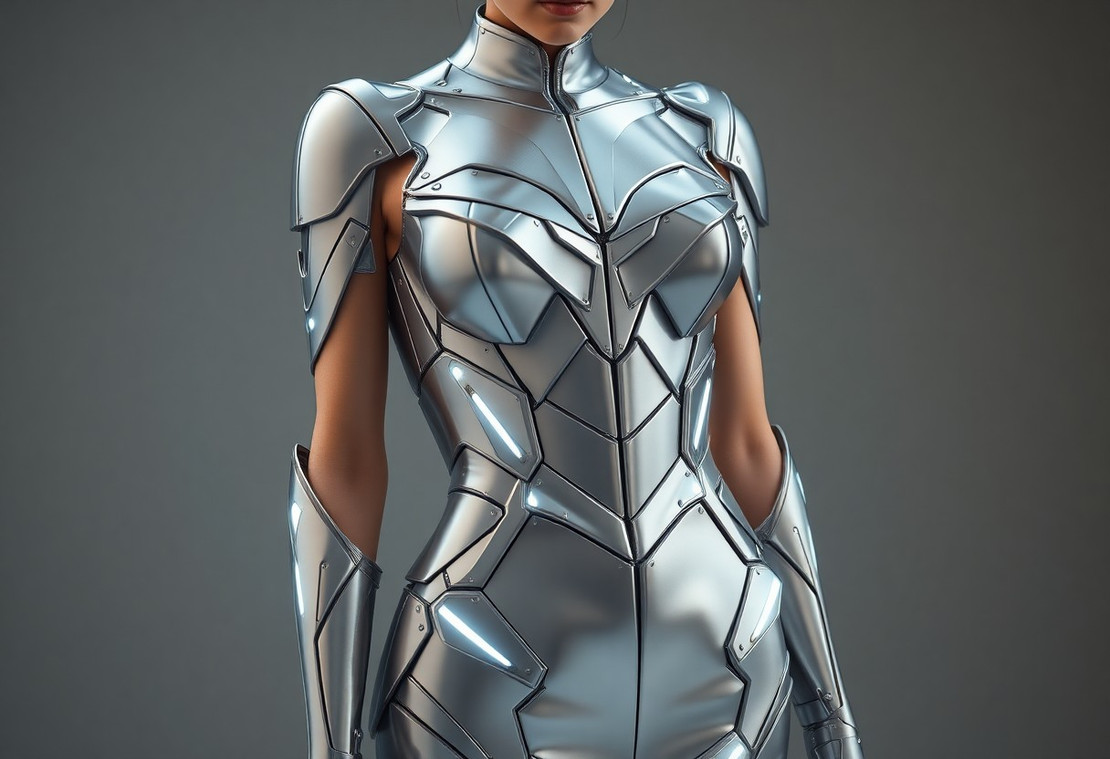
Metallic sculpted gowns mimic futuristic armor to show you structural tailoring and material engineering, with rigid plating that can feel dangerous in silhouette and jaw-dropping in runway impact.
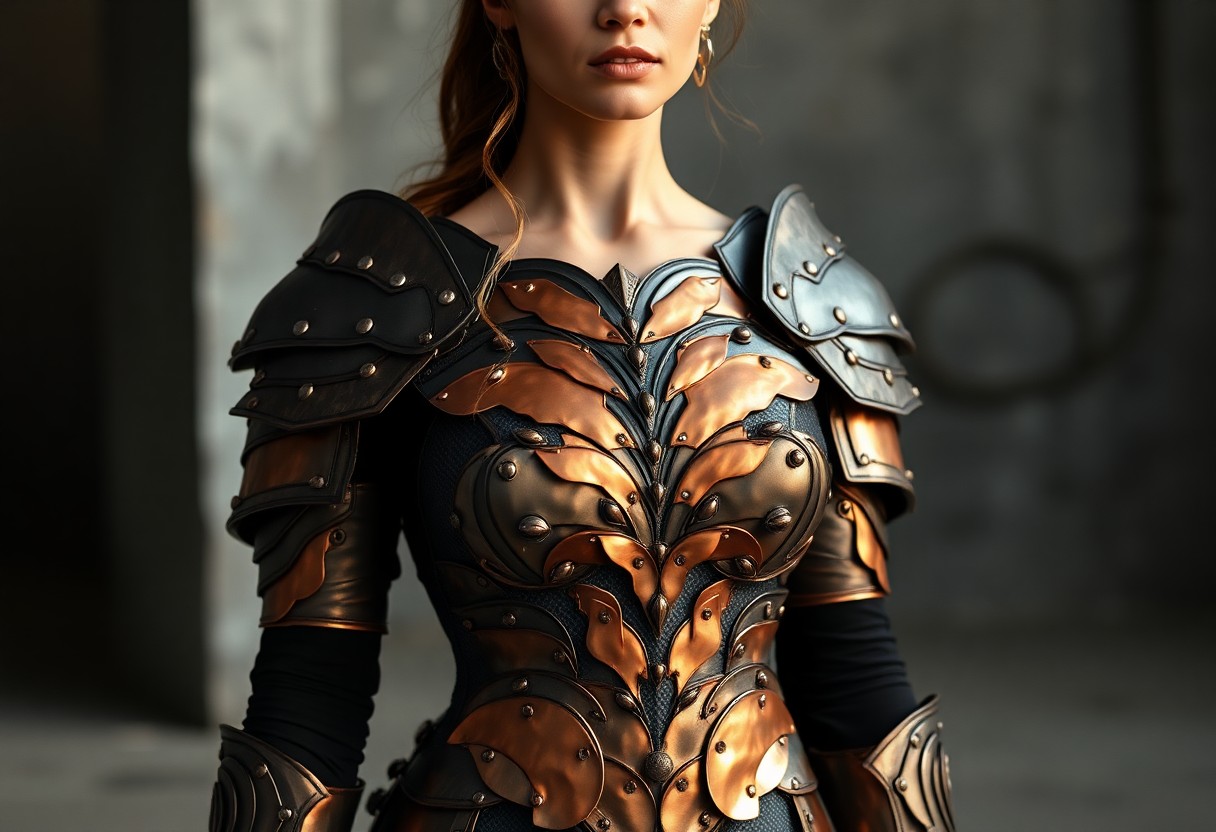
Key Takeaways:
- Sculpted gowns borrow armor motifs-articulated panels, geometric plating, and sharp contours-creating architectural silhouettes that read futuristic while retaining feminine form.
- Metallic finishes pair with 3D-printed lattices, thermoformed metal, chainmail mesh, and padded understructures to balance rigidity, articulation, and reduced weight for wearability.
- Styling favors minimal accessories and dramatic lighting; pieces act as wearable sculpture for red carpet and editorial contexts, projecting strength and tech-forward couture.
Engineering the Sculpted Form
You refine the gown's silhouette by engineering curved panels and internal ribs that mimic armor plates, using CNC-formed metals and composite laminates to hold shape while allowing drape. Balance aesthetic presence with wearability through strategic anchors and modular joins.
Articulation and Kinetic Movement in Rigid Gowns
Kinetic joints let you move within rigid gowns by integrating micro-hinges and sliding interfaces that hide in seams. Prioritize pinch avoidance and adequate clearances, and test actuated elements to prevent abrupt forces or noisy operation that compromise performance.
Internal Scaffolding and Weight Distribution
Structural framing channels load so you feel minimal strain; distribute mass to hips and shoulders, and embed soft interfaces at contact zones. Use adjustable harness points and low-friction bearings to reduce fatigue during prolonged wear.
Consider how load paths travel from metal shells into the body: you must route forces through rigid ribs into padded harnesses, shifting excess mass to the pelvis to protect the spine. Position padding and load-bearing straps over muscle groups, include quick-release anchors for emergency removal, and prototype with motion capture to reveal hidden pressure points that cause fatigue or skin damage.
Pioneering Designers of the Metallic Aesthetic
Pioneers like Mugler and van Herpen teach you to read metallic gowns as wearable armor, merging couture with engineering. You learn to spot architectural silhouettes, sharp, daring edges, and finishes that feel both protective and ceremonial.
The Architectural Legacy of Thierry Mugler
Mugler taught you to value exaggerated proportions and metal finishes, sculpting garments like battlepieces where sharp contours command presence and runway impact.
Contemporary Innovations by Iris van Herpen
Iris van Herpen invites you to explore 3D-printed lattices and fluid metals that curve like living armor, blending technology with choreography for dynamic movement.
Sculptural experiments by van Herpen show you how biomimetic structures distribute stress and create wearable form, while her collaborations with engineers produce materials that are both fragile-seeming and astonishingly resilient.
Future Horizons in Wearable Armor
Designs merge sculptural silhouettes with functional plating so you can wear garments that offer adaptive protection and fluid movement, suggesting armor without sacrificing couture elegance.
Integration of Smart Materials and Responsive Elements
Sensors woven into metallic weaves let you sense loads and heat, enabling real-time thermal regulation and actuation while raising data security and electronics failure concerns.
Sustainable Sourcing of Recycled Metallics
Recycling recovered alloys allows you to source materials with reduced waste and lower emissions, though thorough testing is needed to mitigate contamination risks.
Supply chains tapping e-waste, industrial scrap, and closed-loop returns let you access diverse alloy mixes, but you must insist on chemical assays and traceability to prevent impurities that compromise wearability and safety. Recycling processes like electrorefining, thermal reclamation, and mechanical separation reduce embodied carbon and create closed-loop material streams, while inconsistent feedstock quality poses structural failure and contamination hazards. Certifications and on-site testing give you reassurance and long-term cost benefits.
Conclusion
Following this you see how sculpted metallic gowns borrow futuristic armor's structured panels, reflective surfaces, and engineered support to redefine eveningwear, guiding designers to balance dramatic form with wearer comfort so you can confidently select architectural couture.