
8th Dec 2025
Sculptural Draping: The Artform Reshaping Eveningwear
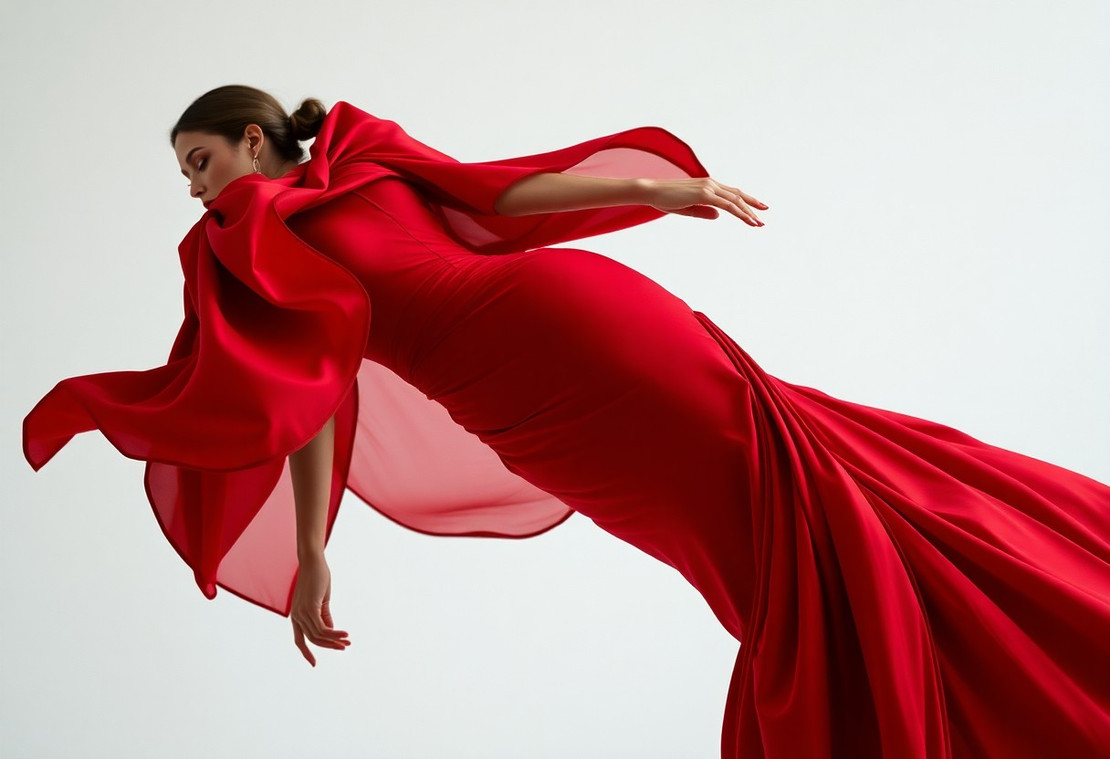
Sculptural draping is emerging as one of the most captivating trends in contemporary eveningwear, redefining elegance with bold form and fluid motion. This innovative approach elevates classic silhouettes into visually arresting compositions, challenging traditional design rules while embracing personal expression. As fluid lines and sculptural folds become more prevalent on runways and red carpets, it’s clear this movement is not just a trend—it’s a transformation.
The Evolution of Eveningwear
Eveningwear has always mirrored the cultural shifts of its time. From the embroidered, voluminous gowns of the 1800s to the relaxed glamour of 1920s flappers, and Dior’s post-war “New Look,” each era has redefined what it means to be formally dressed. These transitions aren’t just about fashion—they’re about identity, status, and the spirit of the time.
Modern Influences and Global Fusion
Today’s eveningwear reflects a blend of global cultures and technological innovation. Designers like Alexander McQueen and Versace are integrating cutting-edge textiles with experimental cuts, resulting in garments that breathe with movement and emotion. This contemporary shift embraces inclusivity across age, body type, and identity—demonstrating that elegance can be both bold and accessible.
Fashion weeks across the globe spotlight this synergy between technology and craft, with sustainable practices gaining equal importance. Many modern designers now balance luxury with environmental consciousness, proving that responsible fashion can still be breathtakingly glamorous.
Sculptural Draping: Where Form Meets Freedom
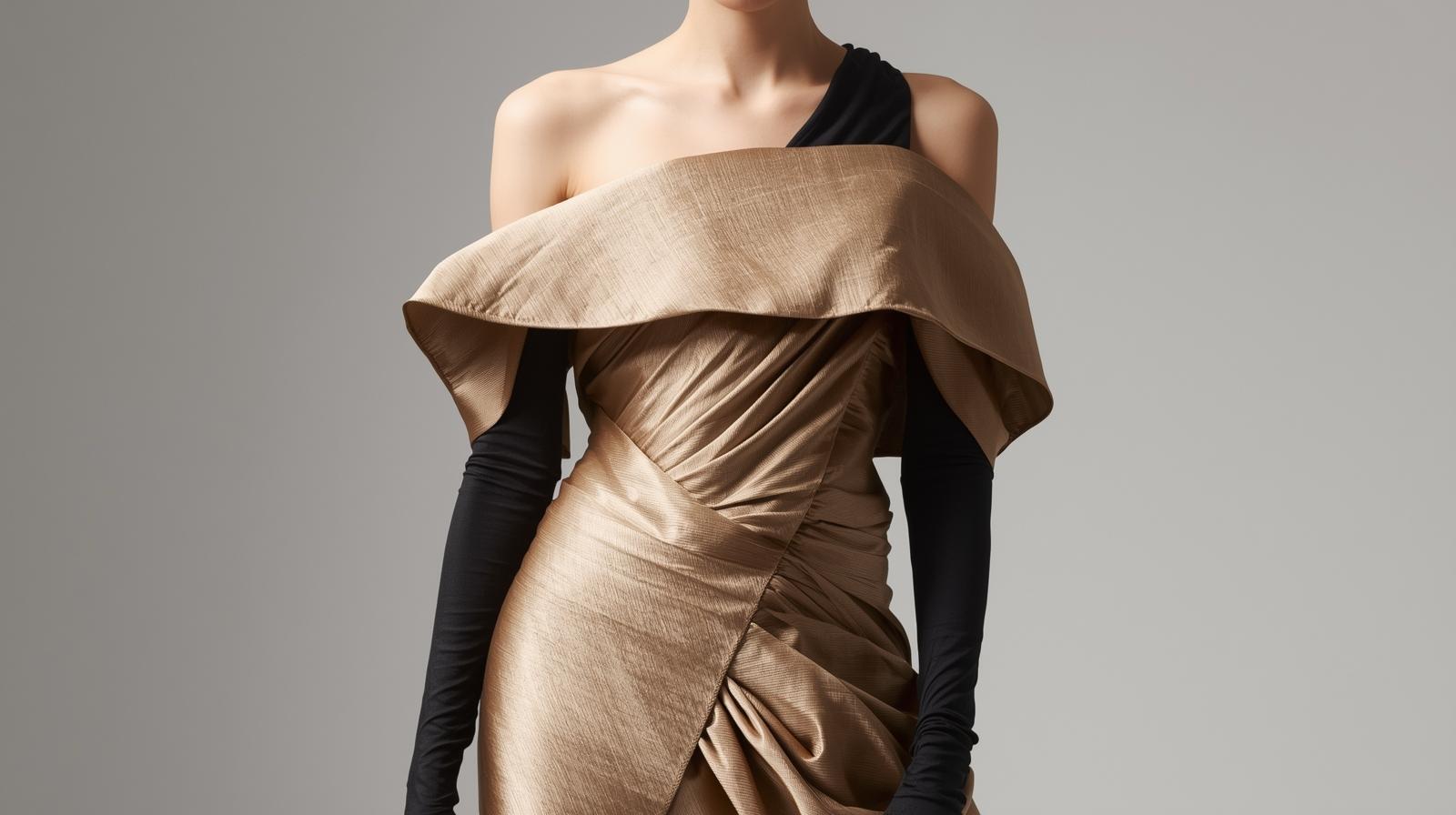
Sculptural draping transforms garments into living art. Through twisting, folding, and layering, fabric is manipulated to contour and flow in unexpected ways. The resulting interplay of light and shadow enhances the silhouette, offering a new take on beauty that’s rooted in structure and emotion.
This technique frees designers from rigid patterns and invites exploration. Whether subtle or theatrical, sculptural draping gives each piece its own voice—making every look a personal statement.
Techniques and Textiles Behind the Trend
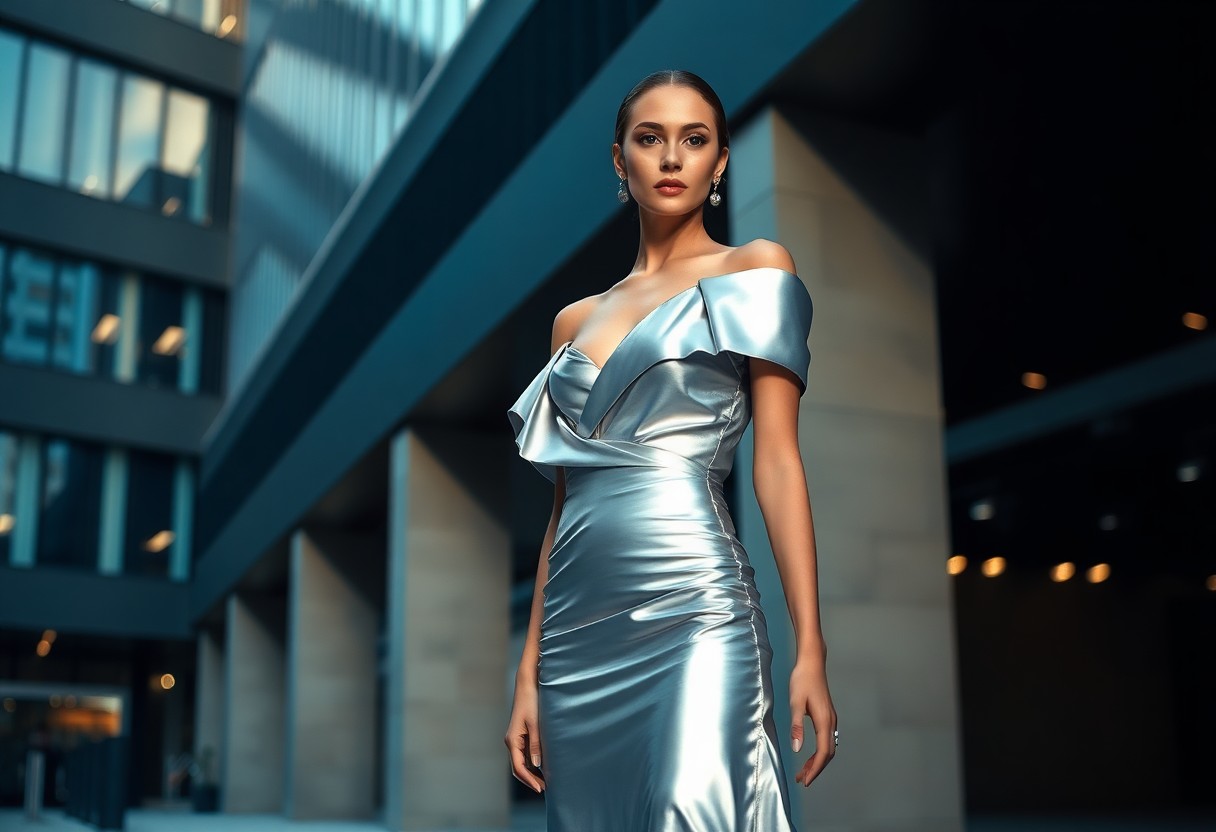
Draping relies on advanced methods like bias-cutting, gathering, and pleating. Materials such as silk, chiffon, and taffeta provide the movement and texture needed to create architectural fluidity. These techniques allow the fabric itself to become a sculptural element, transforming clothing into art.
Designers at the Forefront
Visionaries like Alexander McQueen, Issey Miyake, and Haider Ackermann have been central to sculptural draping’s rise:
-
Alexander McQueen's theatrical drapes tell emotional narratives through structured elegance.
-
Issey Miyake revolutionized textile manipulation, offering movement and comfort without compromising design.
-
Haider Ackermann balances masculinity and femininity with drapes that redefine fluid fashion.
These designers challenge the norms of traditional eveningwear and inspire a new generation to think sculpturally.
Cultural Significance
Draping isn't just aesthetic—it’s storytelling. It weaves historical and cultural narratives into wearable forms. Designers like Miyake and Slimane use draping to reflect identity, heritage, and the emotional landscape of fashion.
It also creates a physical connection—inviting touch, evoking memory, and deepening the bond between the garment and its wearer.
Gender, Identity, and Inclusivity
Sculptural draping plays a vital role in challenging rigid gender norms. Its flexibility lends itself to non-binary and gender-fluid designs that celebrate individuality. Designers like Rick Owens use oversized, ambiguous silhouettes to encourage self-definition—making fashion more inclusive and expressive.
This democratization of eveningwear empowers people to define beauty on their own terms.
What Today’s Consumer Craves
Modern consumers are shifting toward individuality, versatility, and storytelling in their wardrobe choices. They want eveningwear that adapts to diverse occasions—from black-tie galas to intimate dinners—and reflects their personal identity.
Shopping Trends and Sustainability
Online shopping continues to rise, with consumers favoring convenience, easy returns, and unique pieces from boutique designers. There’s a clear preference for sustainable materials—organic cotton, recycled polyester, and vegan silk are in high demand.
Brands like Reformation and Etnies lead the way in eco-friendly luxury, while designers like Gabriel Lee incorporate upcycled materials into high-fashion eveningwear. Shoppers now expect transparency, ethical sourcing, and a commitment to sustainability.
The Future of Sculptural Draping
Sculptural draping is just beginning to unfold its full potential. The next decade will likely bring:
-
Innovative materials like biodegradable textiles and smart fabrics that adapt to the body.
-
Technological breakthroughs, including 3D printing and CAD design, enabling unprecedented forms.
-
Augmented reality fashion shows, allowing digital audiences to explore sculptural designs in rich detail.
-
Artist-designer collaborations, blurring the line between fashion and fine art.
-
Limited-edition capsule collections focused on craftsmanship and exclusivity.
This evolution redefines what it means to dress for the evening—transforming clothes into experiences.
Final Thoughts
Sculptural draping is not just a design technique—it’s a movement that celebrates identity, artistry, and elegance in motion. As we redefine what eveningwear looks and feels like, this trend offers an expressive new path for those who see fashion as a reflection of self. With its blend of old-world craftsmanship and future-facing innovation, sculptural draping is reshaping the fabric of formalwear—one stunning fold at a time.