
24th Mar 2026
Sculptural Style - 5 Ways to Wear Gathers and Folds This Season

Sculptural Style - 5 Ways to Wear Gathers and Folds This Season
Fashion directs you to sculptural silhouettes using gathers and folds; you should balance volume, choose fabrics to avoid unwanted bulk, and favor versatile tailoring to command a modern, authoritative look.
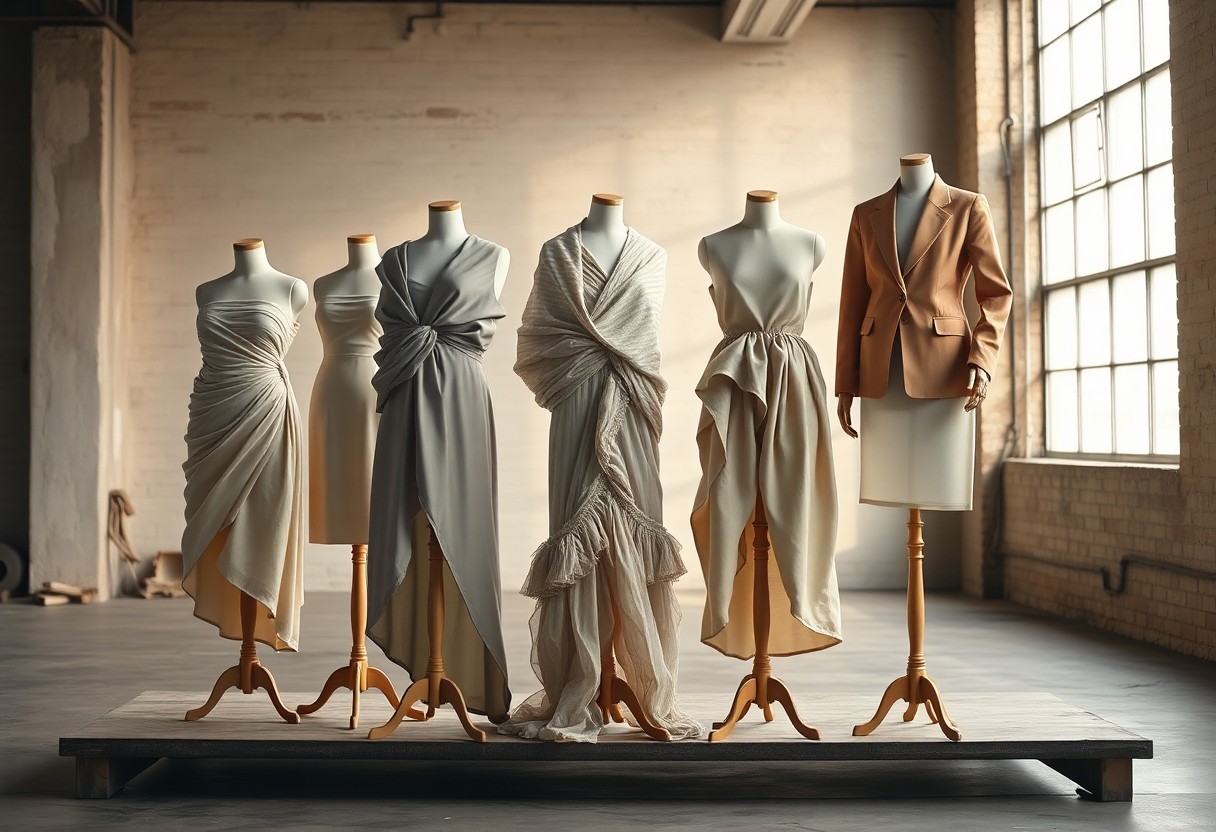
The Art of Drapery: Understanding Gathers and Folds
Understanding gathers and folds trains you to shape volume and line: use placement, stitch tension, and seam direction to create sculptural balance without excess bulk.
The evolution of sculptural silhouettes in modern fashion
Silhouettes shifted toward architectural forms that let you pair dramatic gathers with clean lines, guiding you to emphasize form over ornament in contemporary dressmaking.
Fabric selection: Choosing materials that hold architectural form
Choose fabrics with memory and body so you give gathers structure-taffeta, organza, and mikado excel where crisp folds must hold.
Consider fabric weight, weave, and hand before cutting: you should pair heavier bodies with light linings and use interfacing or boning to maintain shape; avoid high-stretch knits that collapse gathers, and always make a toile to confirm tension and fall.
The Ruched Midi: Elevating the Daytime Dress
Ruched midis give you instant shape by emphasizing a cinched waist and smoothing hips, making them ideal for daytime wear. Pair with flats or low heels to keep proportions balanced, and avoid oversized bags that can overwhelm the gathered silhouette.
Asymmetrical gathers for dynamic movement
Asymmetrical gathers let you introduce motion; you should choose lightweight fabrics so the drape swings naturally and avoids bulk. Offset the irregular hem with simple tops, and skip stiff materials that freeze the intended fluidity.
Balancing volume with streamlined accessories
Balancing gathers with slim accessories makes you look composed; choose a structured clutch or delicate jewelry to counter fabric volume and avoid chunky pieces that add unnecessary weight to the silhouette.
Pair gathered pieces with low-profile footwear and a slim belt to define your waist without competing with folds; choose shoes with a tapered toe or thin heel to elongate legs. For bags, pick a compact, structured shape in a contrasting texture so the gathers remain the focal point, and refrain from oversized or heavily embellished items that clash with sculptural lines.
Architectural Bodices: Statement Tops and Blouses
Explore sculptural bodices that turn tops into architectural statements; choose pieces where structured volume frames your torso without overwhelming, and pair them with slim bottoms to maintain balanced proportions.
Strategic pleating to enhance natural proportions
Use targeted pleats at the waist or bust to redirect attention and enhance your natural proportions, creating length or curves where you want them without added bulk.
Transitioning from professional tailoring to evening elegance
Shift tailored bodices from office to evening by swapping buttons for a draped panel or adding high-shine fabric and fitted trousers for instant glamour.
Pair structured blazers with silk camis or sequined underlayers, unbuttoned or belted to soften rigidity; choose matte tailoring for daylight and switch to lustrous textures after dark, while keeping proportions by tucking or cropping so you avoid overpowering your frame.
Origami Tailoring: Folded Waistlines and Trousers
Folded waistlines reshape your silhouette: you can cinch a paperbag waist for a sculpted midsection while pleated trousers create architectural lines; avoid heavy fabrics that add bulk and choose crisp materials to keep the structured effect.
The rise of the paperbag waist and structural pleats
Paperbag shapes bring definition: you should pair a high paperbag waist with fitted tops to emphasize a cinched silhouette, and let structural pleats add height without overpowering your proportions.
Styling wide-leg drapes for a sophisticated profile
Wide-leg drapes soften angular lines; you can balance volume with a tucked blouse and a defined waistline to maintain a polished, elongated profile.
Pair wide-leg trousers with mid-height heels and a structured top so you preserve length; you should tailor the hem to skim the shoe and avoid excess pooling that can flatten your stance. Choose sturdier linens or twill for daytime and weightier satin for evenings to keep the sculptural drape, and add a slim belt to define the waist without adding bulk.
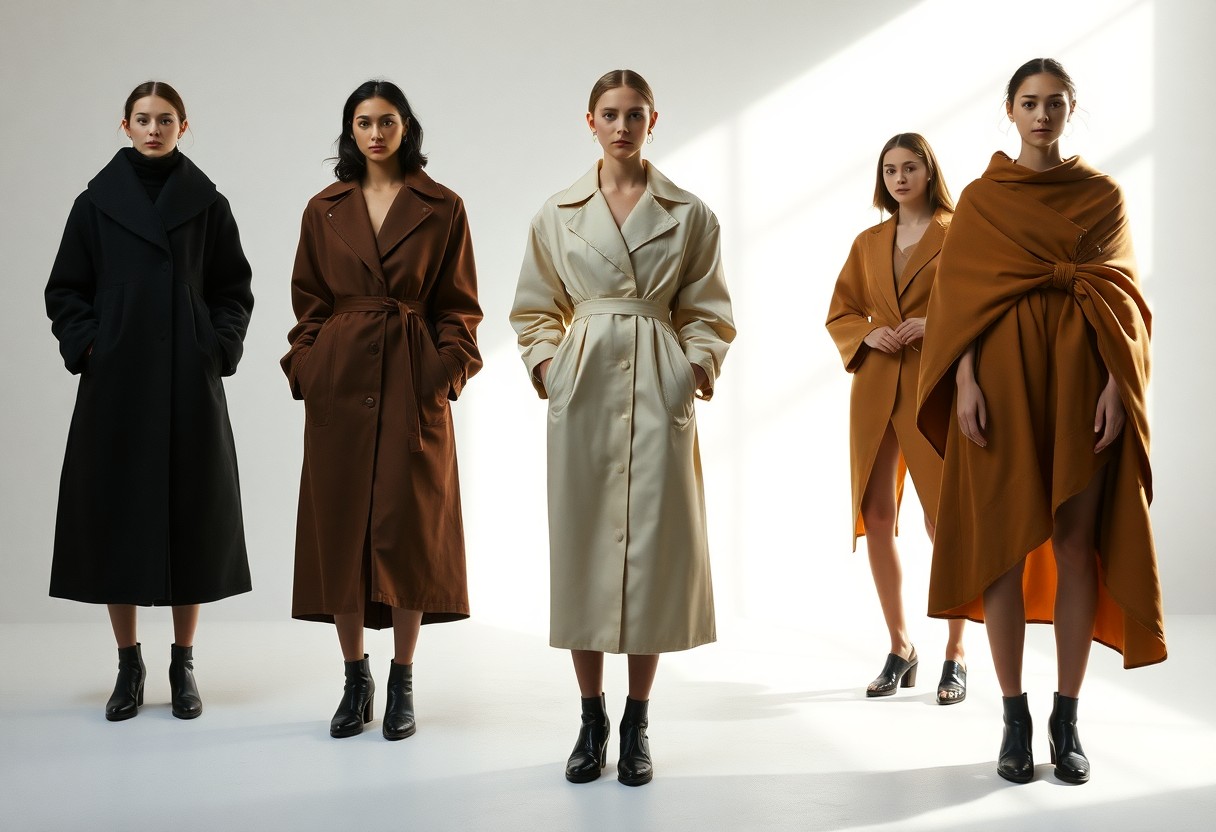
Sculptural Outerwear: Textured Layers for the Season
Sculptural outerwear gives you tactile volume and refined lines; choose pieces with structured silhouette and intentional folds to contrast slim layers. You should pair textured coats with streamlined trousers so the shape reads as design, not bulk, and watch for heavy fabrics that can overpower the frame.
Incorporating gathered sleeves and back-panel folds
Experiment with gathered sleeves and back-panel folds to add movement; let soft gathers frame your shoulders while keeping the body streamlined. You should balance volume with fitted cuffs or belts so the effect reads intentional rather than oversized.
Softening utility wear through fluid fabric manipulation
Soften boxy jackets by introducing viscose blends and draped panels so you keep function but gain movement; add fluid folds at seams and pockets to reduce stiffness while preserving pockets and hardware.
Choose lighter-weight technical cottons, Tencel, or silk-blends to keep utility silhouettes wearable; soften seams with bias-cut panels and press folds toward the body so the jacket follows your movements. You can deconstruct heavy hardware by swapping metal snaps for matte buttons and use ventilation to avoid overheating while maintaining function.
Finishing Touches: Accessories with Folded Details
Accessorize folded garments with pieces that mirror their shapes: choose soft belts, sculptural cuffs, and slim accessories that preserve silhouettes, while avoiding bulky hardware that flattens or distorts gathers.
The aesthetic of the ruched leather clutch and footwear
Choose a ruched leather clutch or shoe to echo folds; matte finishes and structured soles keep looks modern, while you should avoid glossy hardware that competes with texture.
Minimalist jewelry to complement high-texture ensembles
Let your jewelry whisper not shout: delicate hoops, thin bands, and clean geometric pieces complement rich folds without adding weight, so you avoid visual overcrowding.
Balance metal weight and scale: you can mix a fine chain choker with a single sculptural ring, keeping chain widths under 2mm so folds remain visible. Prefer smooth finishes to prevent snagging; watch for sharp clasps or oversized stones that can catch delicate gathers. When layering, stagger lengths so each piece reads against the texture without competing.
Summing up
The sculptural gathers and folds give you five stylish options to reshape your look this season: pair structured tops with soft skirts, cinch waists, choose asymmetric hems, emphasize sleeve volume, and mix textures so you control proportion and movement.