
17th Mar 2026
Soft Power - Transitioning Your Wardrobe to Flowing, Draped Fabrics
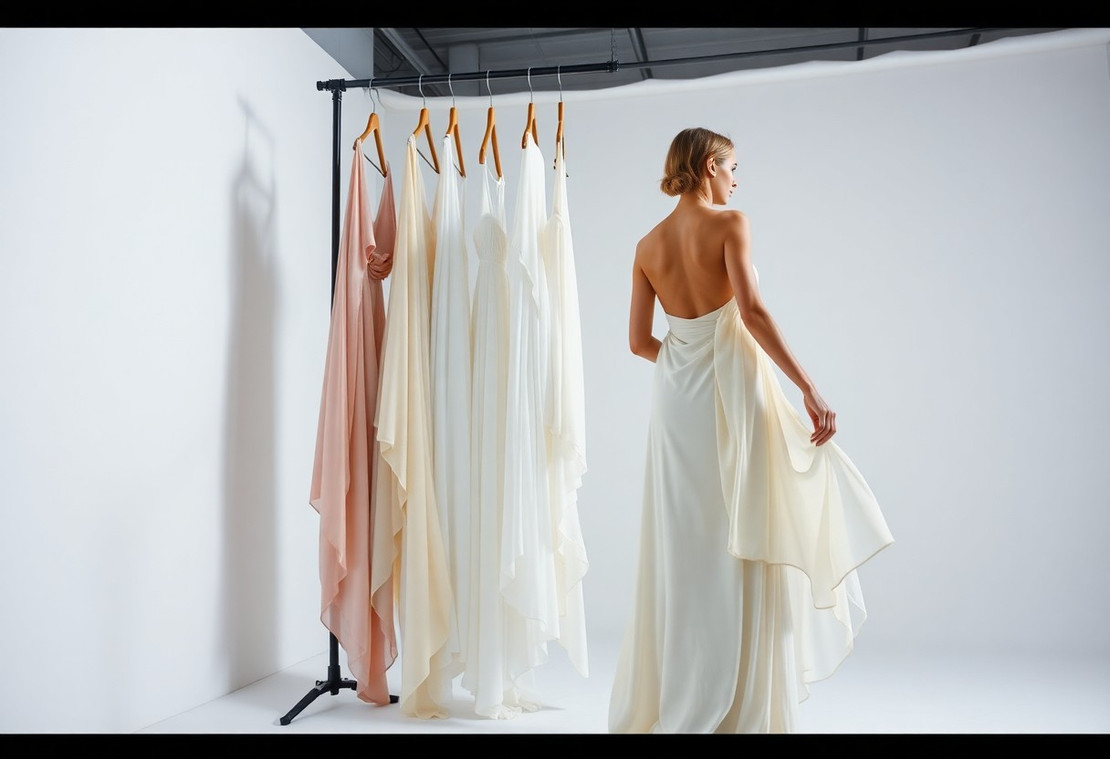
Most shifts in your closet succeed when you choose flowing, draped fabrics that create a softer silhouette and natural movement, while you guard against snagging and pieces that overwhelm petite frames by prioritizing fit and fabric weight.
The Philosophy of Soft Power in Fashion
Soft silhouettes let you assert authority quietly, as flowing fabrics soften hierarchy and signal confidence. You can curate a wardrobe that feels both powerful and approachable while avoiding rigid, confrontational lines.
Redefining authority through fluid silhouettes
Fluidity shifts how you present leadership: you trade stiff tailoring for gestures of movement that make authority feel adaptable. You project control through proportion, not stiffness; calm motion reads as composed, not weak.
The psychological impact of tactile fabrics
Touch cues influence perception: when you choose soft, tactile fabrics, people see you as approachable and trustworthy; rough textures can create distance. You communicate care and attention through how garments feel.
Studies show that when you wear tactile fabrics, your own mood shifts, calming you and enhancing focus. You may notice reduced stress responses and increased interpersonal warmth; silk, modal, and brushed cotton often trigger positive tactile associations while heavy, abrasive weaves can feel alienating.
Identifying Premium Draped Textiles
Samples let you assess how fabric falls; heavier silk crepes and fluid wools offer controlled drape while lightweight linens flutter. Test stretch, recovery, and opacity to gauge long-term wear and tailoring potential.
Natural fibers: Silk, wool crepe, and linen blends
Silk, wool crepe, and linen blends give you natural drape, breathability, and texture; silk's sheen and wool's memory suit flowing silhouettes without losing structure.
High-performance synthetics and sustainable cupro
Modern high-performance synthetics and cupro mimic fluidity while adding moisture-wicking and strength; you should check pilling, static, and recyclability on care labels.
Check blends for performance trade-offs: synthetics deliver durability and quick-dry comfort but can cause microplastic shedding and static cling, which harm both garments and the environment. Cupro provides a luxe hand and is often biodegradable when untreated, though chemical processing and finishes affect its sustainability-so you should seek certifications and gentle-care constructions to preserve drape and reduce impact.
The Architecture of Fluidity
Drape dictates how fabric follows your silhouette; you select weight, finish and cut to shape motion, while watching that heavy choices can stiffen and flatten your flow.
Understanding bias cuts and asymmetrical hemlines
Bias cuts let fabric skim your curves diagonally to create sensual, forgiving stretch; asymmetrical hemlines add dynamic motion but may catch on doors or heels, so you test them in movement.
The role of movement in garment construction
Movement guides seam placement, darting and hem shaping so garments follow your gestures; you prioritize wide swing points and finishes that avoid tight seams which restrict motion.
Consider sleeve-cap shaping, bias panels and lining choices as tools you use to choreograph sway; you test patterns on a form and in real motion, marking where fabric rubs or twists, then adjust grain, pleats or vents to preserve fluidity while preventing strain points that cause tears or ride-up.
Strategic Wardrobe Transitioning
Shift your rotation gradually: introduce one draped piece per outfit to test proportion, color, and movement. You should prioritize pieces that pair with tailoring and avoid overwhelming your silhouette; small steps let you assess fit, fabric behavior, and lasting wear before committing.
Integrating soft separates into structured rotations
Blend soft separates into tailored routines by swapping one blazer-friendly top or draped skirt into a set rotation. You should match color and fabric weight to existing pieces, watch seam finishes, and avoid clashing structure that breaks cohesion.
Balancing volume with tailored foundations
Pair flowing silhouettes with fitted underlayers so you keep shape and proportion. You should anchor volume with waist-defining elements and avoid being swamped, preserving movement while maintaining control.
Anchor large drape with structured bones: choose a fitted jacket, high-waist trouser, or narrow skirt to define your frame. You should prefer medium-weight silks or crepes that maintain flow without ballooning, add belts or darts for shape, and avoid overwhelming proportions. Contrasting textures reinforce polish while preserving movement.
Color Palettes and Textural Contrast
Balance soft, flowing pieces with considered palettes so you can mix weightless neutrals and pops of jewel tones; use monochrome layers to add depth while watching for sunlight fading on delicate dyes.
Enhancing depth through monochromatic layering
Layering similar hues lets you craft dimension without heaviness; you can play with scale and texture to keep looks visually rich yet refined.
Playing with matte and sheen finishes
Mix matte and lustrous fabrics so you can contrast drape and light-pair matte linens with silk charmeuse to create tactile interest and subtle movement, avoiding static cling on synthetics.
Experiment by pairing matte cottons or suedes against glossy silk or satin so you can control where the eye lands; use sheen to highlight shoulders or hems. Pay attention to care: sheen fabrics show wear and snag easily, and static-prone synthetics can ruin drape-choose linings or anti-static finishes to keep pieces flowing.
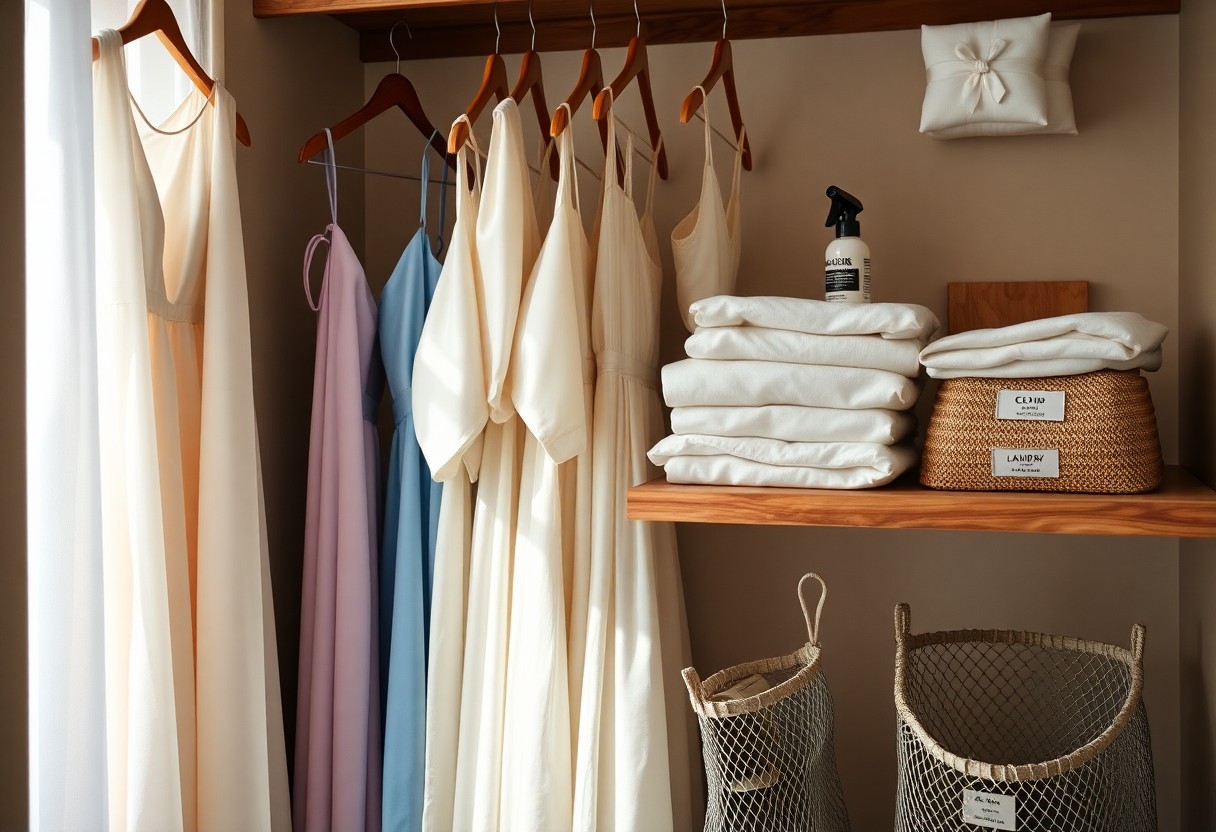
Maintenance and Longevity of Delicate Fabrics
Maintenance keeps draped pieces wearable longer: you should hand-wash or use a gentle machine cycle, dry flat, and mend snags promptly. Avoid heat and harsh agitation, which weaken fibers, and schedule professional cleaning for heavily embellished garments.
Proper storage techniques for draped garments
Hang silk and viscose on padded hangers to preserve shape; fold heavy drapes with acid-free tissue to prevent creases. Use breathable garment bags and avoid plastic to stop trapped moisture and mildew.
Care protocols for preserving textile integrity
Inspect seams and trims before cleaning; spot-test detergents, treat stains by blotting, and wash cold on a gentle cycle. Avoid bleach and tumble drying to keep fibers intact and colors true.
Handle delicate garments by turning them inside out and using a mesh laundry bag for machine washes; when uncertain, you should choose professional wet-cleaning or experienced dry cleaners specializing in silks and knits. Blot stains immediately, never rub, and use cool water with a silk-friendly detergent; store with cedar or moth traps to prevent insect damage.
Conclusion
Upon reflecting, you should prioritize fabric weight, tailored proportions, and versatile silhouettes to integrate flowing, draped pieces that flatter movement, refine your presence, and remain practical for daily wear.