
9th Feb 2026
Sportif Chic - Athletic Wear Meets High Fashion
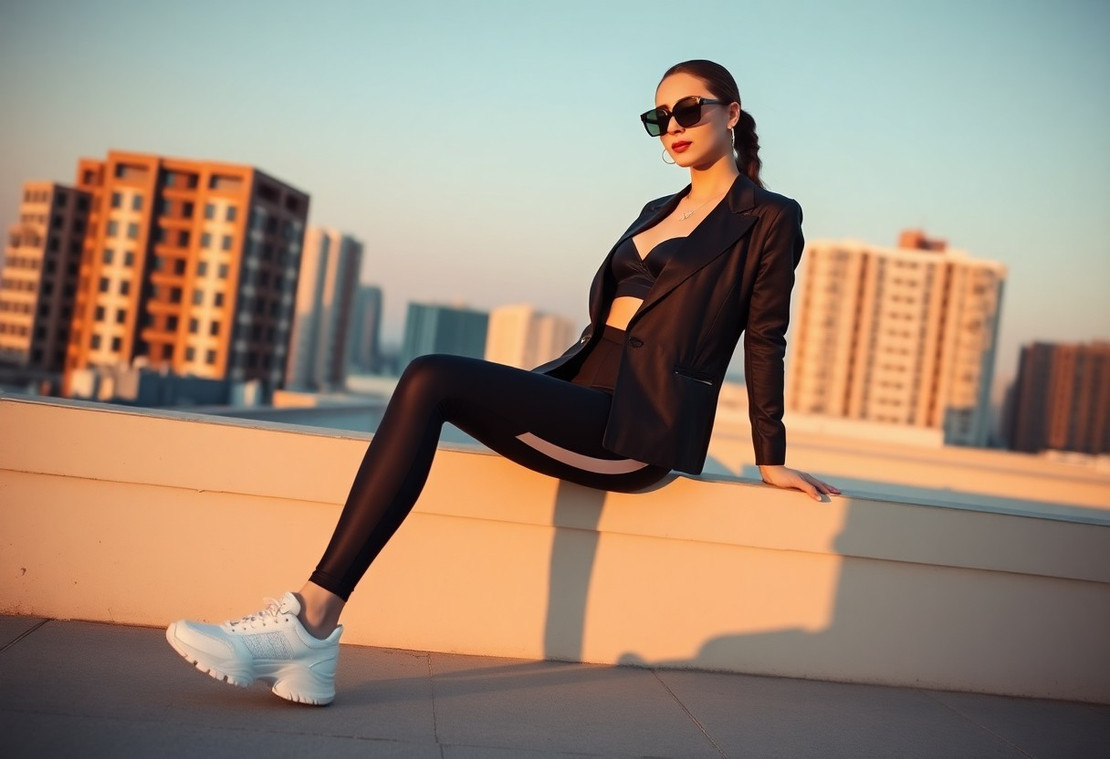
Many designers now fuse performance materials with couture silhouettes so you can wear active pieces beyond the gym; as a consumer, you need to evaluate construction and care. When identifying sportif chic items, prioritize breathable, durable technical fabrics for comfort and longevity, and beware of trims or poorly engineered seams that cause rubbing, overheating, or rapid wear. Your styling should balance functionality and polish to achieve a confident, practical look.
The Evolution of Sportif Chic
By the 2010s, you saw sport-inflected pieces migrate from gym floors to the front rows, driven by performance textiles like Neoprene and Gore-Tex and by consumers seeking comfort without sacrificing style. Street culture and luxury houses fed each other: athletes and celebrities gave visibility, while designers applied tailoring and branding to athletic cuts, turning utilitarian garments into social signals you wear to convey taste and mobility.
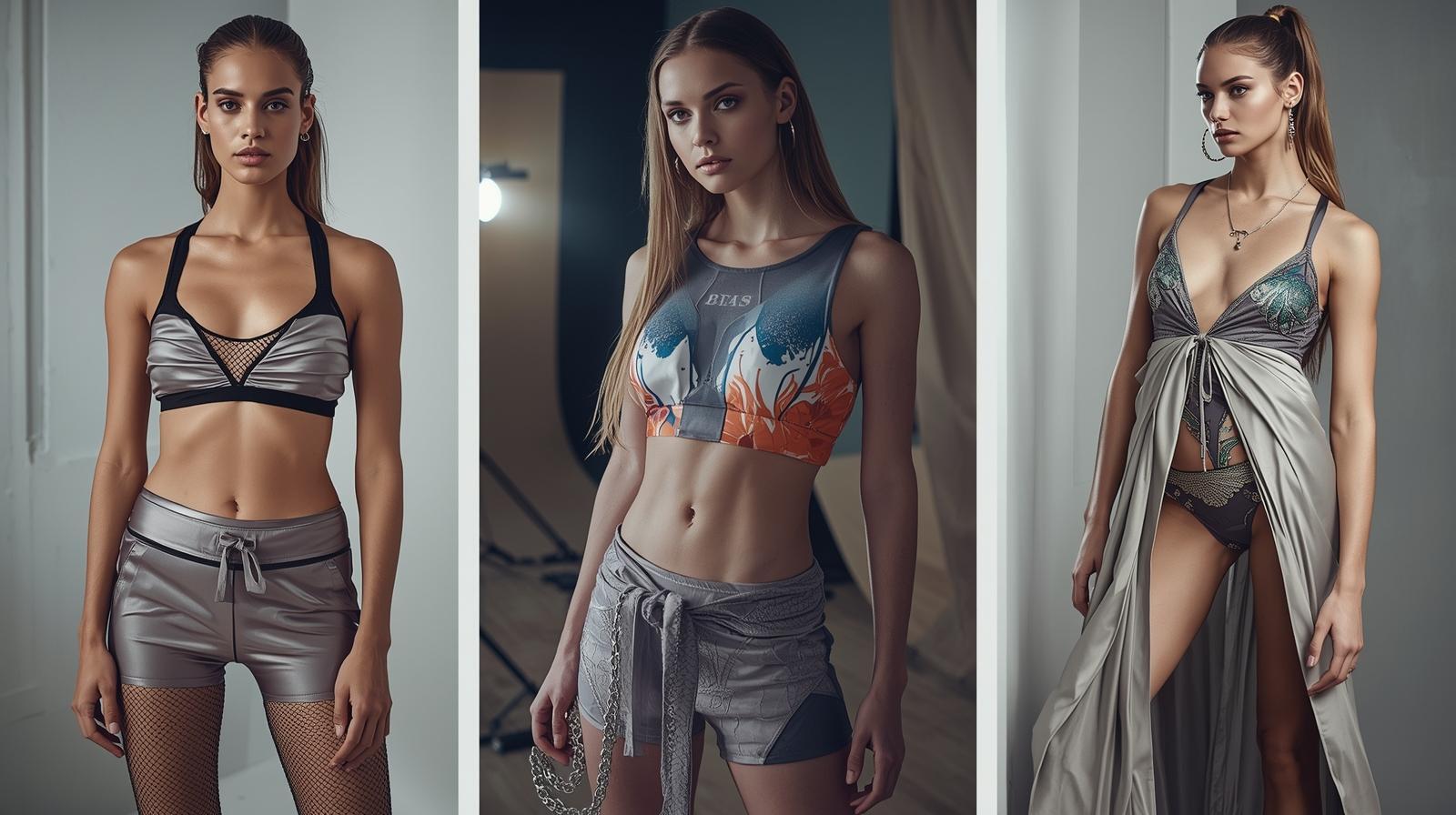
From athletic utility to fashion statement
Once reserved for training, items like the tracksuit and sneaker became status markers through moments such as Run‑DMC’s 1986 “My Adidas” and the 1985 debut of the Air Jordan 1, which proved performance gear could define identity. You now judge pieces by fit and provenance as much as function, and brands balance technology with aesthetics while sometimes sacrificing original utility for runway impact.
Pivotal designers, moments, and runway shifts
Designers and collaborations rewired expectations: Y‑3 (Yohji Yamamoto + Adidas, 2003) fused avant‑garde cuts with sport tech, Stella McCartney’s Adidas partnership (2005) pushed performance-luxe, and Virgil Abloh’s “The Ten” (2017) turned reworked sneakers into collectible art. Runway shows from 2014 to 2018 normalized streetwear silhouettes, cementing athletic signals in luxury dressing.
In practice, you can trace influences through case studies: Y‑3 introduced volume and asymmetry to sportswear in 2003 while keeping sneaker engineering intact; McCartney emphasized eco-fabrics and stretch in mainstream performance lines; Abloh’s 2017 project reissued 10 iconic Nike silhouettes as limited drops, creating scarcity-driven demand that reshaped release strategies across luxury and sports brands.
Core Design Principles
You tighten the dialogue between utility and couture by emphasizing fit, fabric, and finish: think streamlined silhouettes, strategic ventilation, and durable trims. Designers like Prada Linea Rossa and Moncler Genius show how minimal branding and technical zips let garments read luxe without sacrificing performance. Pay attention to construction details—bonded seams, taped zippers, and reinforced stress points—because function-first details like seam sealing and bonded hems determine longevity and daily wearability more than logos do.
Performance fabrics, tech textiles, and function
You choose materials for measurable outcomes: Gore‑Tex, DWR finishes, and moisture-wicking blends move sweat and repel rain, while 4‑way stretch knits and elastane blends (commonly 3-12%) restore shape. Brands track metrics—waterproof ratings (e.g., 10,000 mm) and breathability (g/m²/24h)—so you can specify garments that withstand runs, commutes, or travel. Incorporate odor-control treatments like Polygiene and bonded construction for weight reduction without losing structure.
Tailoring, proportion, and the luxury-athletic aesthetic
You balance athletic ease with sartorial discipline by combining tapered joggers, cropped blazers, and structured bombers with engineered stretch. Designers from Arc’teryx Veilance to Sacai demonstrate how changing hem length, shoulder width, or rise alters perceived luxury: a slightly higher rise and slimmer thigh read refined, while articulated knees preserve mobility. Emphasize fit over excess to keep the look upscale and movement-ready.
Delve into patterning: you use minimal internal bulk-heat‑bonded interfacing, molded hems, and 3D knit panels to create clean lines that still flex. Prototype with articulated joints, gussets, and strategic darts so garments perform at 20+ miles of walking without losing silhouette. Arc’teryx Veilance’s taped seams and Zegna’s tech-tailoring offer case studies for marrying millimeter-precise proportions with performance-driven construction.
Brand Strategies and Collaborations
You see brands using three main strategies: long-term hybrid lines, one-off capsules, and celebrity-driven drops. Luxury houses tap sports labels to access performance tech and younger consumers; sports brands leverage couture to lift AOV and brand equity. Examples like Louis Vuitton x Supreme (2017) and Dior x Air Jordan 1 (2020) show collaborations can drive media reach and sell-through within hours, reshaping seasonal calendars.
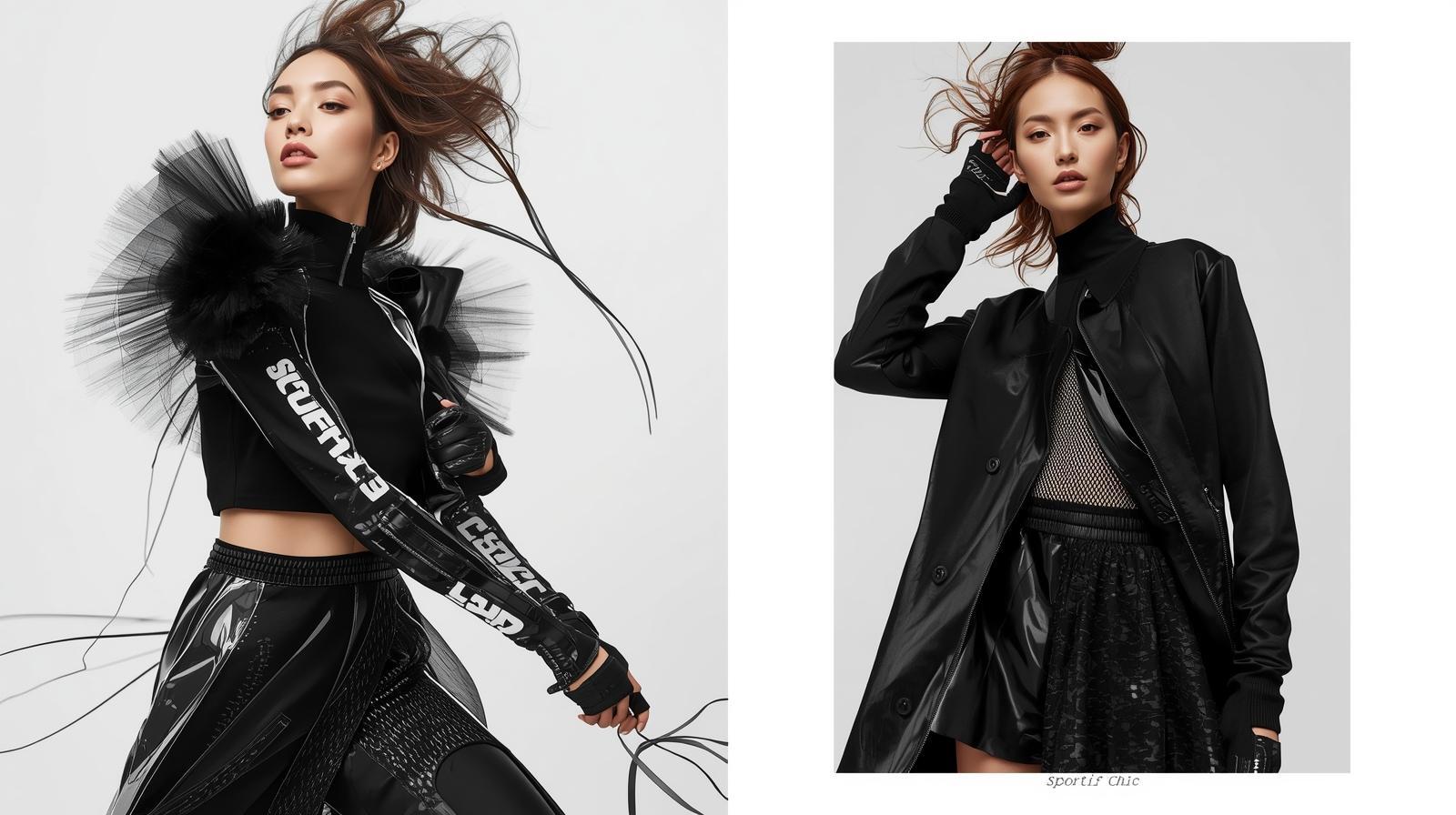
Luxury houses, sports labels, and hybrid lines
You'll find heritage maisons partnering with performance labels to blend craftsmanship with innovation. Y-3 (Yohji Yamamoto + Adidas) built a niche since the early 2000s, while Dior's Air Jordan 1 capsule (2020) fused couture tailoring with a sneaker icon, selling out instantly. These hybrid lines let you wear technical fabrics with elevated cuts, often commanding higher margins and broader retail placements.
Capsule collaborations, celebrity influence, and limited drops
You should study capsule mechanics: Supreme's weekly drops since 1994 create scarcity, designers like Virgil Abloh used Off-White x Nike ('The Ten,' 2017) to reframe sneaker aesthetics, and celebrity-led lines—for example, Rihanna's Fenty x Puma—translated star power into measurable sales bumps. Limited releases sell out in minutes and produce secondary-market premiums that amplify brand buzz.
You need to understand execution: teams often limit runs to a few hundred to several thousand units, use online raffles and regional drops to frustrate bots, and tie celebrities to designs or equity to secure authenticity. Case studies show these tactics create immediate revenue and long-term desirability—expect resale multiples ranging from 2x to 10x on headline items and social impressions that outpace traditional campaigns.
Styling and Wardrobe Integration
You should build a compact capsule around five versatile pieces—a tailored blazer, premium leggings, refined sneakers, a silk blouse and a trench—and stick to a neutral palette with one accent color for easy mixing. Prioritize fabric weight and structure: choose leggings around 200–300 GSM and blazers with structured tailoring to keep proportions elegant. Use belts, sleek watches and minimal hardware to anchor sporty silhouettes in polished outfits.
Day-to-day and office-appropriate sportif looks
Pair a structured blazer with ponte or 250-300 GSM leggings, or opt for tapered joggers with a hidden zip for a clean office line. Swap sneakers for loafers or a 1-2 inch low-block heel, tuck in a silk-blend tee, and add a slim belt to define your waist. Choose matte finishes and minimal logos so the look reads professional rather than athletic.
Evening elevation: dressing up active pieces
Swap trainers for a 3‑inch heel or platform, layer a silk camisole under a cropped bomber, and trade gym shorts for tailored cigarette trousers to shift to nightwear. Introduce metallic or patent accents—a clutch or statement earring—to elevate textures and keep proportions sharp. Avoid oversized logos, which can immediately undermine sophistication.
Balance volume by pairing oversized sporty tops with high-waist skirts or slim trousers; contrast matte neoprene or technical knits with satin or silk for tactile drama. Use belts or a fitted coat to create a clean silhouette and add one bold accessory to complete the look. Draw inspiration from collaborations like Stella McCartney x Adidas, which demonstrate how sport fabrics translate seamlessly into evening dressing.
Market Dynamics and Consumer Behavior
You see the intersection of athleisure and high fashion driven by shifting channels and fast-evolving tastes: e-commerce surged (with apparel online share spiking to ~30% in 2020 and remaining elevated), luxury collaborations drive premium pricing, and strategic tech plays—for example, Lululemon’s purchase of Mirror for $500M—prove brands will pay for direct engagement and experiential touchpoints that convert lifestyle into recurring revenue.
Demographics, lifestyle drivers, and demand signals
Younger cohorts dominate social-led adoption: Gen Z and younger Millennials prioritize multifunctional pieces for work, fitness, and social life, and surveys show they’re about twice as likely to buy secondhand or prioritize resale-friendly purchases. Hybrid work, daily wellness, and influencer-driven drops (think Nike x Off‑White or Gucci x The North Face) shift your buying toward limited-edition, high-margin items that double as status signals.
Retail, direct-to-consumer, and resale ecosystem
You’ll notice brands push DTC to capture data and margin: apps, memberships, and exclusive drops (Nike SNKRS, Lululemon events) are standard tactics, while resale platforms like StockX, Depop, and thredUP expand reach and lifecycle value. Analysts expect resale to outpace traditional retail growth by roughly 2-3x over the next several years, creating both new revenue and authenticity/quality challenges you must manage.
You should plan for operational friction: omnichannel fulfillment (BOPIS, micro-fulfillment), authentication for high-value drops, and reverse logistics for recirculation all matter. Online apparel return rates often exceed 20%, inflating costs, while investing in authentication and localized inventory can increase lifetime value and reduce counterfeit risk—trade-offs you’ll need to model when scaling DTC and resale strategies.
Sustainability and Ethical Considerations
You should weigh the textile sector's ~10% share of global CO₂ emissions against innovations that reduce impact; less than 1% of clothing is currently recycled into new garments, so lifecycle thinking—from raw fiber to end-of-life—is imperative when you assess which sporty-chic pieces truly lower your footprint.
Material innovation, circular design, and cycles
You can spot progress in recycled PET used by brands like Patagonia and Adidas, biotech leathers (Bolt Threads' Mylo), and cellulose solutions (Infinited Fiber Company); designing mono-material garments and adopting chemical or fiber-to-fiber recycling helps, because synthetic activewear still sheds hundreds of thousands of microfibers per wash without material-change strategies.
Supply-chain transparency and labor practices
You should expect supplier lists, third-party audits, and public remediation plans: companies such as Patagonia and Everlane publish factory data, while post-Rana Plaza reforms (the 2013 collapse killed 1,134 workers) pushed safety accords and supplier monitoring into mainstream compliance requirements.
When you dig deeper, look for brands participating in the Bangladesh Accord or in worker-driven programs (WRC) and using traceability tools like TextileGenesis or Provenance; audits alone often miss wage gaps and forced-labor risks in certain cotton regions, so living-wage commitments, worker grievance mechanisms, and independent verification are the markers that separate PR from real improvement.
Final Words
Upon reflecting, you see how sporty elegance redefines your approach to wardrobe, blending performance fabrics with tailored silhouettes so your style performs as well as it presents; by prioritizing fit, material, and proportion, you can navigate trends confidently and establish a refined, athletic-forward aesthetic that endures.