
20th Feb 2026
Statement Belts as Architectural Centerpieces
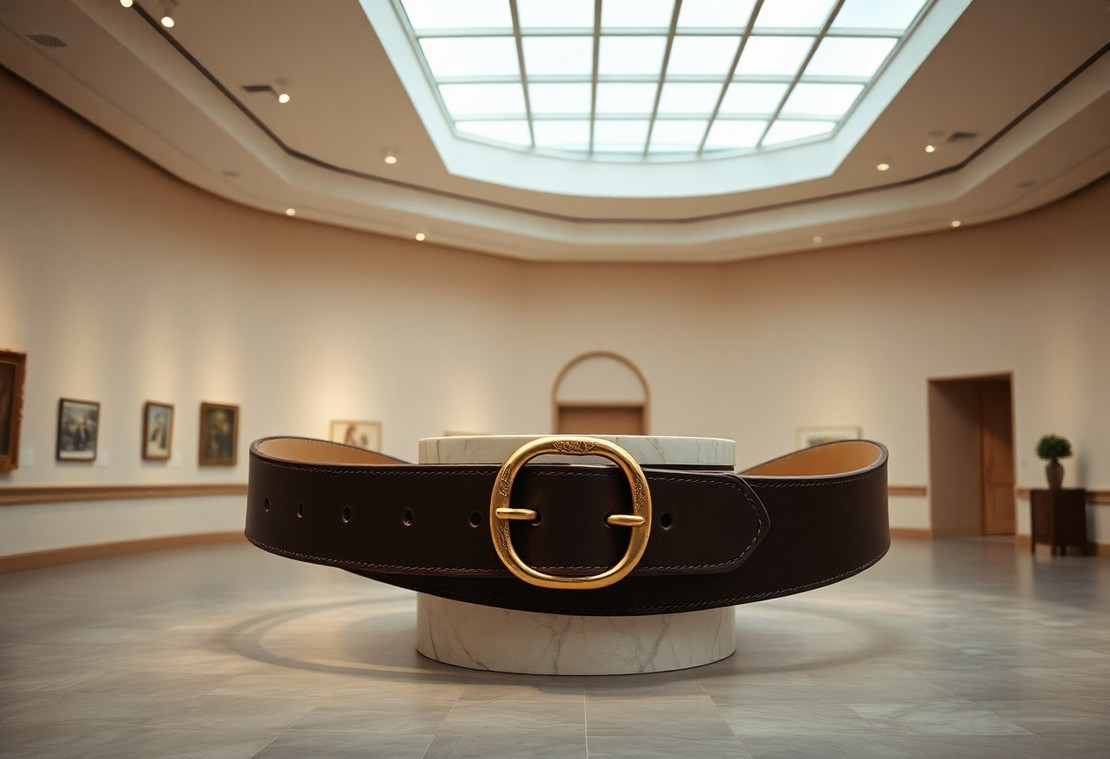
Architecture positions statement belts as focal elements you can use to anchor interiors; you must avoid misproportion that creates visual clutter and prioritize scale, material, and balance for lasting impact in every design decision.
Key Takeaways:
- Statement belts anchor ensembles by defining silhouettes and creating focal points through width, placement, and buckle architecture.
- Material choice and construction transform belts into sculptural centerpieces, with stiff leathers, metalwork, and exaggerated hardware adding volume, line, and texture.
- Scale and placement manipulate proportion and movement; narrow belts elongate, wide belts shorten or cinch, and off-center positioning redirects visual flow.
Redefining the Silhouette through Structural Anchors
Belts function as structural anchors you use to sculpt proportions, pulling garments into defined axes that redraw your silhouette without extra layers.
Manipulating Proportions and Body Geometry
Placement lets you shorten or lengthen apparent torso and leg lines; a high belt creates elongated legs, a low belt broadens hips, all by simple shifts in geometry.
The Belt as a Visual Pivot Point in Minimalist Design
Minimalist outfits let you use a belt as a singular focal node, anchoring calm surfaces and guiding the eye toward form and function.
You can make a belt the decisive visual pivot by weighing scale, finish and placement: matte leather narrows focus while a metallic buckle creates a bright focal accent. A slim strap offers restraint; a wider band produces an architectural statement. Watch for overly tight belts that can compress and distort drape or cause discomfort. Prefer contrast between belt and garment or subtle textural shifts to guide the eye without cluttering minimal silhouettes.
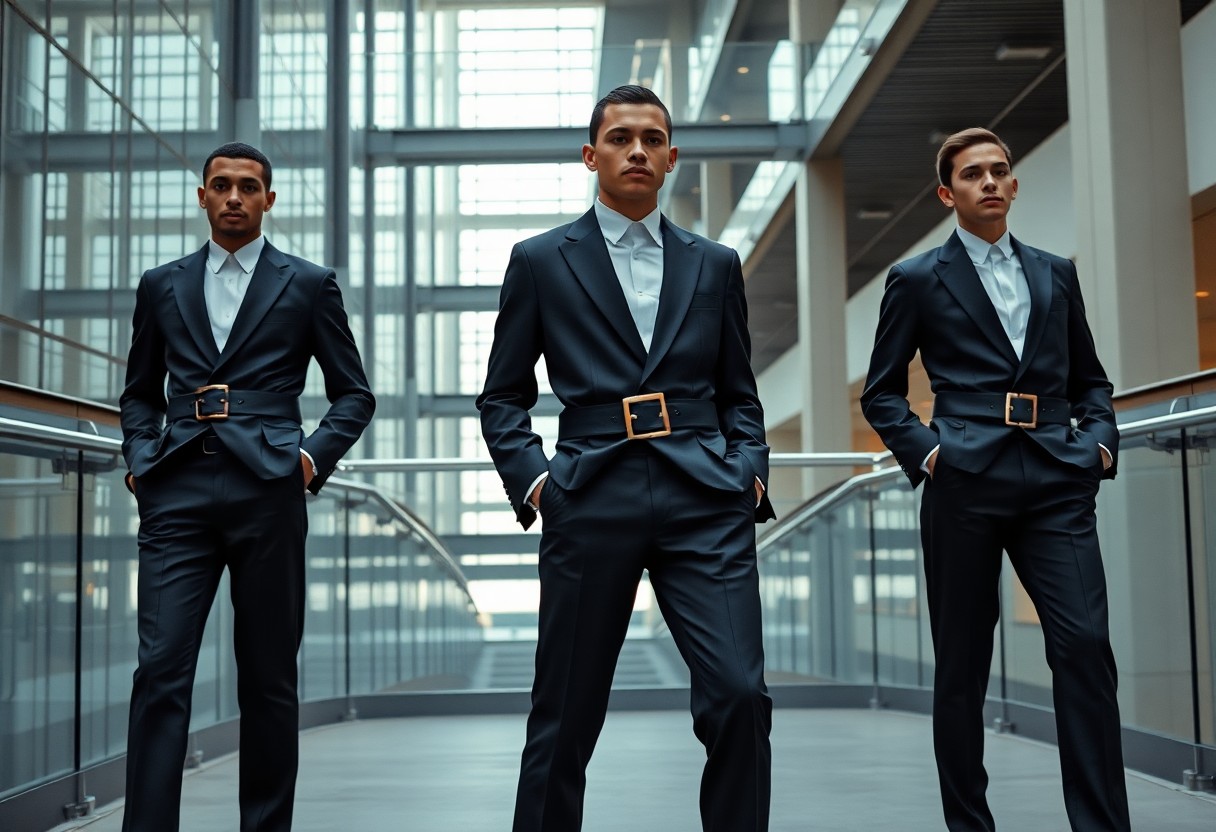
Engineering Contrast in Modern Attire
You can command ensembles by placing a statement belt as an architectural anchor, using its structural hardware to redirect sightlines and sculpt proportions without flattening softer layers.
Juxtaposing Rigid Hardware with Fluid Textiles
Pair bulky metal buckles with silk or chiffon so you highlight tactile contrast, allow movement to soften edges, and keep belts as controlled focal points while fabrics imply motion.
Creating Symmetry within Asymmetrical Ensembles
Align an off-center belt with a counter accessory on the opposite side so you achieve visual equilibrium while preserving playful imbalance.
Consider anchoring asymmetrical jackets or skirts with belts that mirror scale or weight across the body; you should select width and buckle mass that restore proportion without erasing intent. Use small straps, clipped chains, or pocket detailing as counterpoints, and avoid over-tightening to prevent restricted movement while maintaining a clear, balanced focal point.
Historical Evolution of the Sculptural Waistline
Origins show belts shifting from support to sculpture; you have seen tight lacing pose dangerous constriction while designers prized architectural form that redefined silhouette and social signaling.
From Utilitarian Utility to Avant-Garde Centerpiece
Early belts served practical needs; you now find them as sculptural anchors that define silhouette, sometimes causing restricted movement for dramatic effect.
Influential Designers of the Architectural Movement
Designers such as Jeanne Lanvin, Rei Kawakubo, and Haider Ackermann taught you to see belts as structural motifs, offering visual dominance while sometimes risking postural strain.
You can trace techniques-rigid tooling, layered panels, and metal boning-back to ateliers where designers taught you to treat belts as miniature structures; their use of industrial materials created striking silhouettes but sometimes introduced comfort compromises you must consider.
Technical Craftsmanship and Precision Design
Craftsmanship in precision design puts you face-to-face with micro-tolerances that determine a belt's posture and structural integrity. You inspect materials, joint geometry, and finish to ensure the piece functions as an architectural element, not mere accessory.
Innovations in Buckle Engineering and Closures
Advances in buckle engineering give you compact mechanisms, corrosion-resistant alloys, and locking systems that prevent accidental release. You evaluate latch profiles and micro-clearances to balance ease of use with load-bearing security in sculptural belts.
The Art of Hand-Sculpted Support Systems
Sculpted supports let you tailor geometry to body contours, using hand-formed ribs and posts that control stress points; you must monitor pinch points and finishes to avoid premature failure.
Handwork defines how you build hand-sculpted supports: you shape a malleable core, anneal to relieve stress, and refine contact points to distribute load across wider surfaces. You inspect for sharp edges, test for metal fatigue under cyclic loading, and apply corrosion-resistant finishes to prevent long-term failure. You calibrate tolerances, document wear patterns, and prioritize pressure distribution so the belt reads as bold architecture while maintaining reliable, wearable performance.
Strategic Curation for the Modern Wardrobe
You curate belts that act as architectural anchors: choose pieces with clean lines, strong buckles, and complementary textures to define silhouettes. Opt for quality hardware and classic proportions so a belt becomes a reliable statement across seasons and suits both casual and refined outfits.
Identifying Investment-Grade Statement Pieces
Select statement belts by assessing materials, construction, and resale potential; seek timeless designs and durable leather, avoid flimsy buckles, and test wearability with multiple outfits to confirm the piece is genuinely investment-grade.
Integration Techniques for Professional and Gala Attire
Pair a bold belt with tailored suiting or a column gown to anchor your look; choose modest buckle sizes for boardrooms and statement buckles for galas, keeping proportions balanced and accessories minimal.
Mix texture and scale: you can use a slender leather belt to refine waistlines under blazers, or select an oversize metal buckle with a simple gown; test in motion to ensure the belt won't snag delicate fabrics or overpower the outfit, and keep other jewelry restrained so the belt remains the focal point.
Final Words
From above you see how statement belts anchor spaces, clarify proportions, and focus attention; choose bold scale, material contrast, and consistent junctions so the belt reads as an intentional architectural centerpiece that organizes circulation and aesthetics.