
16th Jan 2026
The Death of Quiet Luxury - Why 2026 Is All About "Loud Luxury" and Maximalism

There's a clear shift in taste as you move from understated labels to bold statements; quiet luxury is fading and designers are leaning into saturated color, layered patterns, and oversized logos. You need to adapt to the risk of appearing ostentatious while seizing new opportunities to stand out—from showy interiors to conspicuous fashion—so your brand and wardrobe stay relevant in 2026's maximalist moment.
The Rise of Quiet Luxury
You saw the shift when minimal logos and perfect tailoring began to outpace flashy monograms: by the early 2020s designers like The Row and Loro Piana and heritage houses such as Hermès dominated affluent wardrobes, while resale premiums—often exceeding retail for icons like the Birkin—turned pieces into assets. Influencers amplified this with curated feeds, and you responded by prioritizing fabric, fit, and longevity over fast trends.
Defining Quiet Luxury
You recognize quiet luxury by its emphasis on craft, restraint and provenance: unbranded cashmere from Loro Piana, razor-sharp Tom Ford suiting, or a Hermès bag acquired through waiting lists. The aesthetic trades logos for exceptional materials and subtle details, often produced in limited runs, so your clothes read as deliberate investments rather than seasonal consumption.
The Cultural Appeal
You gravitate toward quiet luxury because it signals wealth without spectacle—appealing to professionals and collectors who want discretion. Media coverage in outlets like the New York Times and viral TikTok compilations (amassing tens of millions of views) turned subtlety into a visible trend, while secondary markets proved these pieces can hold or increase value, reinforcing the idea of style as capital.
You also see quiet luxury as a response to overconsumption: sustainability narratives and a desire for longevity push you toward fewer, higher-quality purchases. Wealthier cohorts—private-equity partners, returning jet-setters, and creative directors—use understated items as a form of insider signaling, where craftsmanship and provenance carry more weight than visible logos or seasonal hype.

The Shift to Loud Luxury
The market has moved from muted status to overt expression: oversized logos, bold colorways, and artful collaborations dominate runway-to-street rotations, and resale platforms fuel rapid trend cycles. You see campaigns that celebrate visibility—think sculptural bags, neon hardware, and capsule drops with artists that rake in headlines. You, as you reassess your wardrobe strategy, should favor pieces that read as personal statements rather than quiet markers of taste.
What Is Loud Luxury?
Loud luxury amplifies visibility by pairing high-quality craftsmanship with unmistakable signifiers: visible logos, flamboyant embellishment, and hybrid couture-street silhouettes; examples include the cultural aftershocks of Louis Vuitton x Supreme and Gucci’s maximalist decade. You’ll notice pieces engineered to be photographed, collected, and resold quickly. You, when you shop, prioritize distinctive motifs and limited releases that broadcast provenance and personality.
- maximalism
- logo culture
- statement pieces
- collaborations
- resale appeal
Factors Driving the Change
Platform-driven visibility, Gen Z’s taste for expressive identities, and the economics of limited drops have accelerated loud luxury; brands launch artist collaborations and capsule lines because they generate earned media and secondary-market value. You witness this in sell-out drops, street-style virality, and VIP influencer firings that translate into mainstream demand. You, as you track trends, should watch how scarcity and shareability shape product design and release cadence.
Beyond hype, supply chain agility and data-led design matter: brands now test colorways in-market, iterate in two-week cycles, and leverage resale price signals to inform production—Patagonia-like transparency meets bold branding. You can expect faster design loops, smaller batches, and curated exclusivity to dominate SKU strategies. You, when you evaluate brands, will weigh how their release mechanics and secondary-market health reflect long-term desirability.
- social media
- Gen Z
- limited drops
- resale signals
- data-led design
Maximalism in Design and Fashion
You encounter maximalism through saturated palettes, clashing prints, dense embellishment, oversized silhouettes and stacked accessories—moves popularized on runways by Alessandro Michele at Gucci (2015-2022) and contemporary designers like Richard Quinn. This approach gives your wardrobe immediate visual authority and social-media traction, but it also carries a risk of visual overwhelm that you manage by controlling scale and focal points.
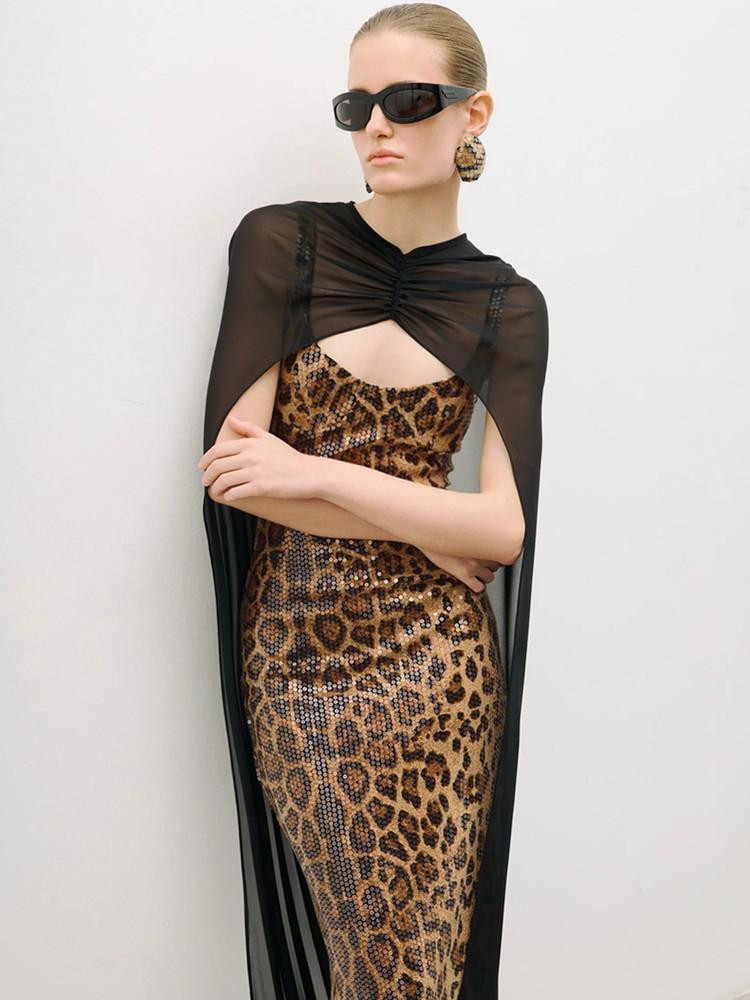
Characteristics of Maximalism
In practice you layer patterns (florals, animal, tartan), textures (velvet, sequins, brocade) and accessories—often stacking 5-10 rings or multiple statement necklaces—to create dense, tactile looks. Designers rely on color saturation, asymmetric proportions, and ornate trims; you keep coherence by anchoring one neutral piece or enlarging a single focal motif to avoid visual chaos.
Influences from Art and Culture
Deriving inspiration from Baroque and Rococo ornamentation, Pop Art, the Memphis Group and global street cultures, you see references in print scale, color- blocking, and ornament. Bollywood costume drama, K-pop styling and Harlem Renaissance motifs surface in collections, giving maximalism both historical depth and contemporary pop resonance—aesthetically rich but often polarizing.
For example, Gucci under Alessandro Michele (2015-2022) reintroduced Victorian florals and eclectic layering, while Ettore Sottsass's Memphis Group (founded 1981) supplies geometric colorplay adopted by brands like Versace and Richard Quinn. You also spot Pop Art echoes in Andy Warhol-inspired repeats and Jeremy Scott’s Moschino shows, showing how art movements become case-study templates for wearable excess that drives conversation.
Consumer Behavior in 2026
Changing Preferences
In 2026, you see a clear shift: 2025. A YouGov survey found 57% of luxury buyers now prefer expressive, logo-forward pieces over understated labels. Younger cohorts—Gen Z and young millennials—drive this, with streetwear collaborations (e.g., Gucci x North Face) boosting perceived value. You respond by stocking statement silhouettes, limited drops, and visible branding; minimalism still sells but loses market share to maximalist, collectible items.
The Role of Social Media
Short-form video and influencer narratives dominate discovery: platforms like TikTok and Instagram Reels accounted for an estimated 68% of luxury product discovery in 2025, and brands reporting active creator programs saw referral lifts of 20-40%. You must prioritize viral creative, day-one unboxings, and community-driven hype to turn online attention into in-store and direct-to-consumer sales.
Case studies prove it: Balenciaga's 2024 TikTok push spiked brand searches by 150%, while limited "drop" strategies on Instagram lifted conversion rates threefold for niche houses. You should measure UGC reach, track referral UTM tags, and run 48-hour creator activations—these tactics amplify perceived scarcity and make loud luxury feel immediate and collectible.
The Impact on Luxury Brands
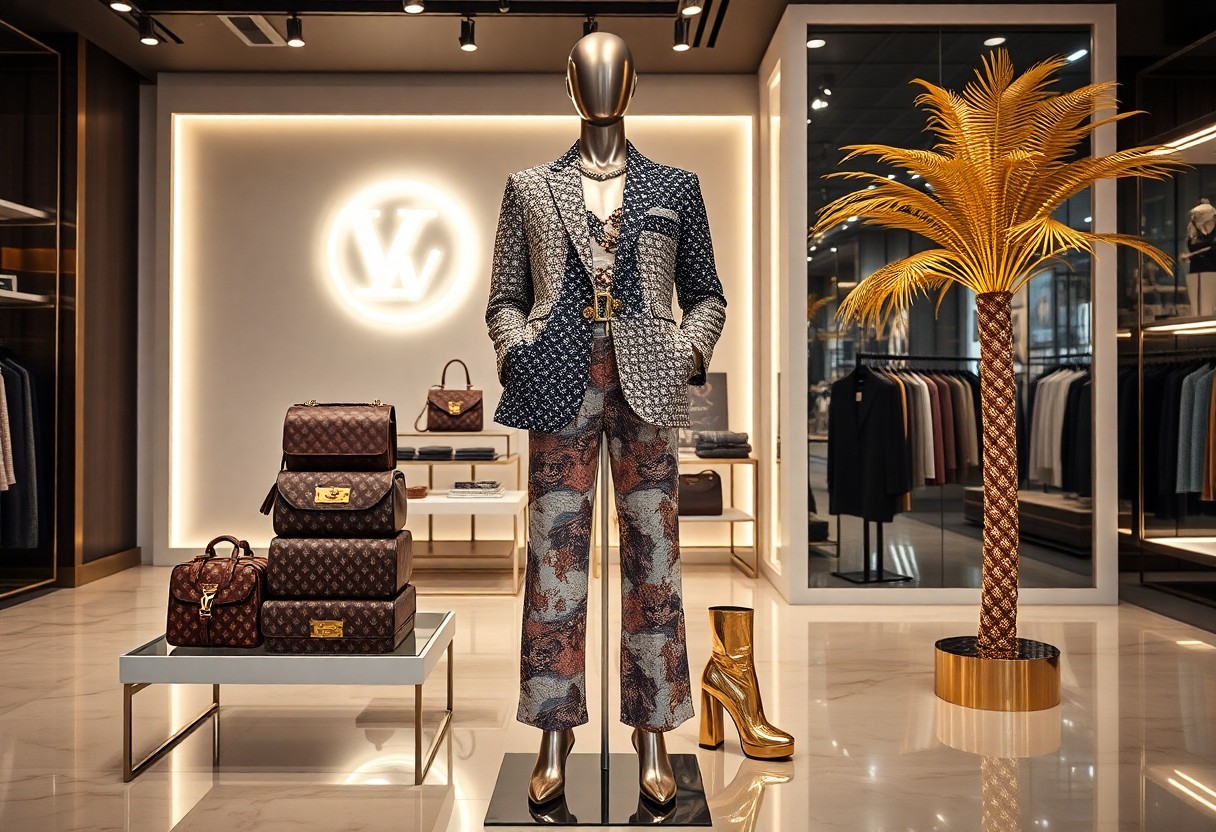
As loud luxury accelerates, you’ll see legacy houses rewrite merchandising playbooks: from logo-heavy ready-to-wear to limited-edition streetwear drops. Louis Vuitton’s 2017 Louis Vuitton x Supreme tie-up and Prada’s 2022 Adidas partnership proved you can convert cultural buzz into renewed desirability and resale premiums, while your product teams must balance production cadence, inventory risk, and the danger of overexposure that corrodes brand mystique.
Adapting Strategies
You should expect brands to adopt rapid-drop mechanics, capsule collaborations, and louder visual identities—plus revamped retail experiences that foreground logos and motifs. Brands are increasing influencer-led capsule launches and pop-up activations to drive urgency, shifting 30–60- day design cycles into micro-seasons so your merchandising can react to social virality and protect margins while testing demand.
Success Stories and Failures
You’ll notice clear winners and losers: Louis Vuitton x Supreme and Prada x Adidas reignited cultural relevance and brought younger buyers into luxury, while some heritage labels that doubled down on muted minimalism have struggled to attract Gen Z attention. The positive outcome is higher short-term sell-through on logo drops; the danger is alienating older, high-value clientele if you over-rotate away from craftsmanship storytelling.
Digging deeper, you should analyze channel-level KPIs: resale multiples and social engagement spikes from collaborations, waitlist lengths for drops, and cohort lifetime value changes post-launch. Case studies show that when you pair a logo-heavy capsule with storytelling-heritage craftsmanship, limited numbering, and controlled distribution—you preserve brand equity while capturing new buyers; without those controls, loud releases risk becoming fast-fashion churn that erodes pricing power.
Predictions for the Future
Expect accelerated polarization over the next 3–5 years: statement pieces and maximalist collections will grow as younger buyers chase collectible drops and experiential access, while heritage minimalist lines shift toward curated archives and limited collaborations to retain relevance.
Long-Term Trends
You should track three converging forces: demographic change (Gen Z and millennials now account for roughly 40% of premium purchases), tech adoption (AR try-ons, NFTs, and resale platforms like TheRealReal and Vestiaire increase transparency), and economic resilience (luxury spending has recovered strongly post-2020); together they make maximalist signaling more sustainable and measurable.
The New Definition of Luxury
You'll value rarity, provenance, and narrative over muted logos: limited editions, tokenized ownership, and bold collaborations (Dior x Nike, Balenciaga x Crocs) deliver both status and storytelling, turning conspicuousness into a deliberate brand strategy rather than accidental excess.
In practice, you'll see hyper-limited drops (often 100-500 pieces), bespoke services, and token-gated experiences; brands using drop mechanics report sellouts in minutes—Supreme and Nike SNKRS offer clear demand proof—and early NFT and capsule experiments from Gucci and Prada have driven double-digit increases in younger engagement in recent brand studies, making loudness a measurable business advantage.
Summing up
Drawing together the shift from quiet to loud luxury, you should pivot your style and buying habits toward bold silhouettes, rich textures, and statement pieces that communicate status through excess rather than understatement. In 2026, your investments, décor and branding perform publicly; embracing maximalism lets you signal individuality, craftsmanship and cultural relevance while navigating a landscape that rewards flamboyance over restraint.