
16th Mar 2026
The Drape Debate—Why Flowing Fabrics are Replacing Cutouts in 2026

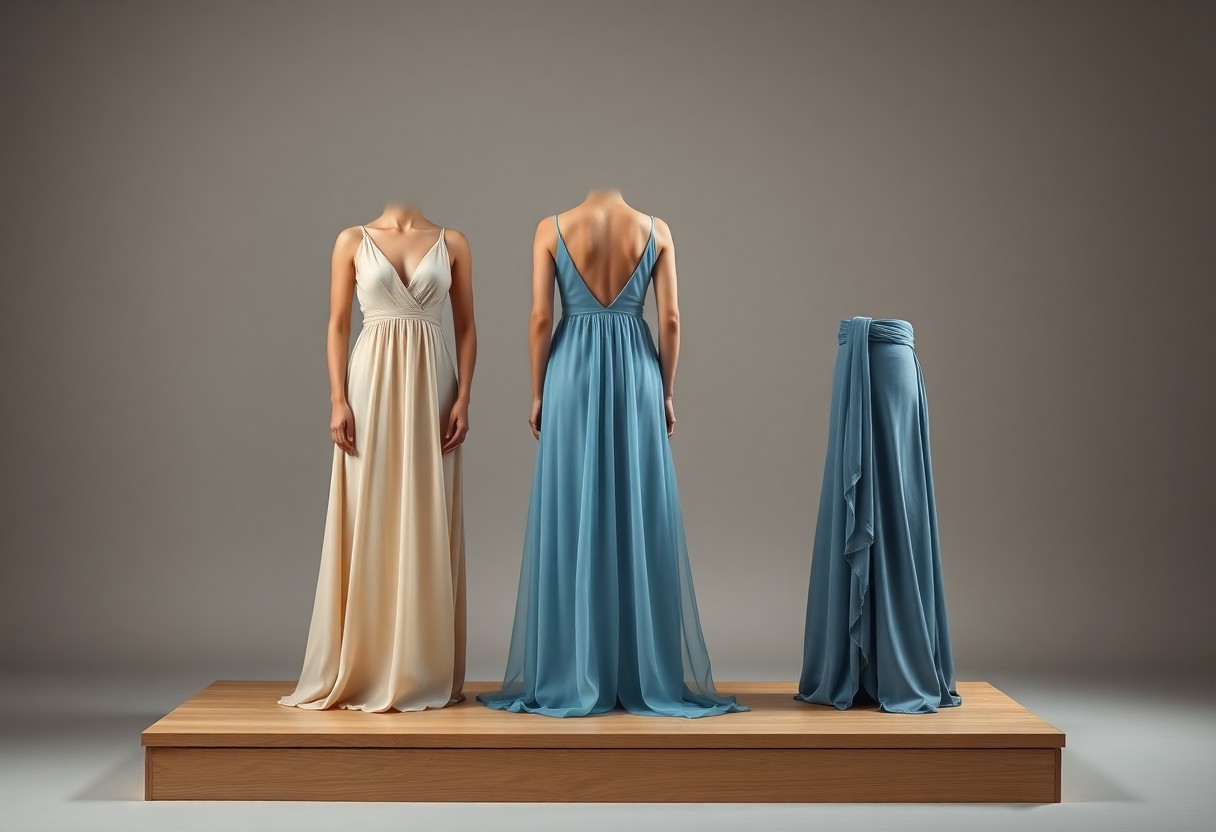
It's clear that you will see flowing fabrics replace cutouts in 2026 as designers favor sustainability, comfort and reduced wardrobe malfunctions, while flowing silhouettes deliver movement and broader market appeal.
Key Takeaways:
- Consumer demand shifted toward flowing silhouettes as wearers prioritized comfort and flattering drape over revealing cutouts.
- Designers adopted fluid materials—silk blends, bias cuts, and soft knits—to create movement and versatile pieces that work day-to-night.
- Brands and retailers expanded draped assortments and resale options in 2026, shifting marketing and editorial focus away from cutout-driven looks.
The Evolution of Silhouette: From Exposure to Fluidity
Silhouettes are moving from cutaway shapes to softer forms so you can prioritize flowing fabrics and understated allure; you’ll find garments that announce presence through motion rather than exposure, giving you comfort, longevity, and a subtler kind of luxury.
The psychological shift from "skin" to "motion"
You respond to pieces that imply movement; dynamic drape reduces reliance on visible skin as your primary signal, offering you emotional ease, refined attention, and a more memorable silhouette.
Why the cutout era reached a saturation point
Brands pushed cutouts everywhere, so you began to read them as marketing noise; cutout saturation eroded novelty and made the motif feel repetitive rather than fresh.
Consider how you encountered the same exposed panels across influencers, fast fashion, and mainstream runways until overexposure dulled the impact; you also faced fit inconsistencies, practical limits for daily wear, and growing cultural critique, which sent you looking for designs that balance visual interest with wearability and inclusiveness.
Textile Innovations Powering the 2026 Aesthetic
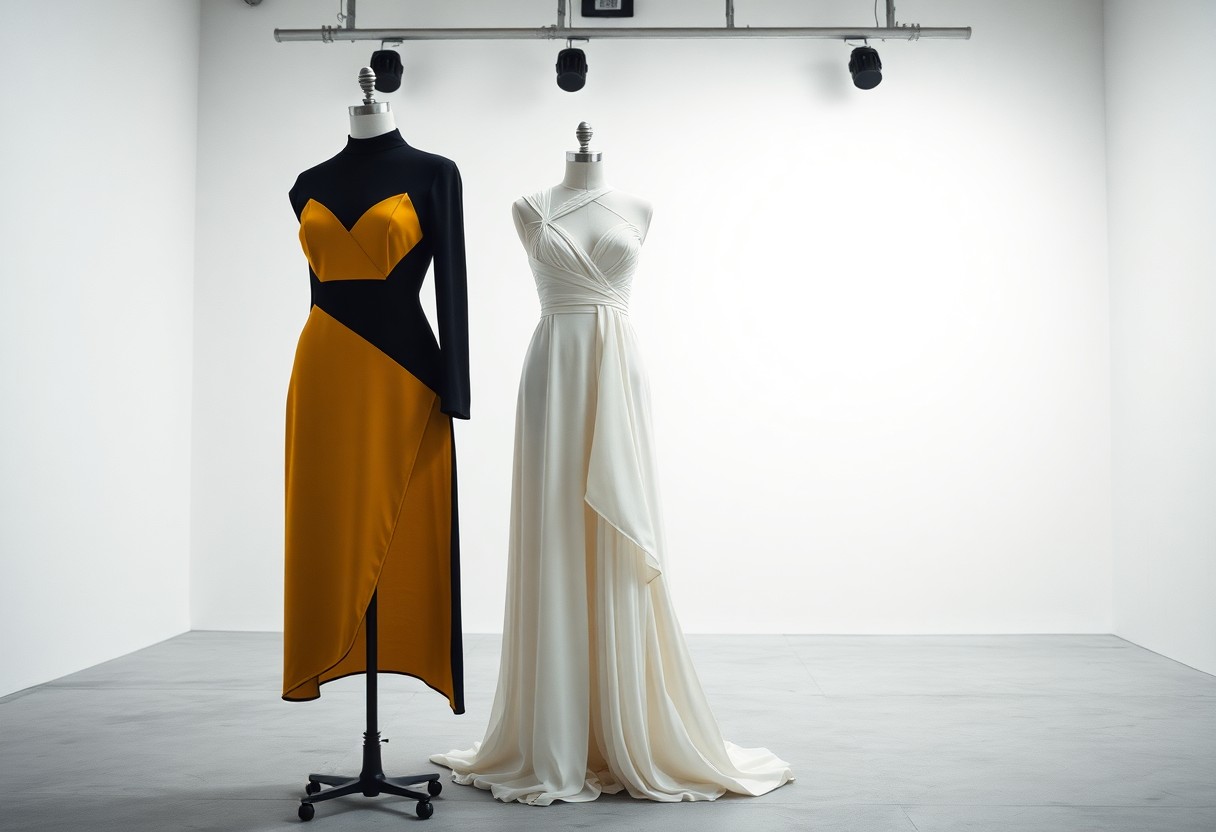
Innovations in fiber chemistry push flowing silhouettes: you witness fabrics with a liquid-like hand and engineered memory that displace structured cutouts, while designers prioritize reduced production waste and tactile luxury.
The rise of liquid-state synthetic fibers
You encounter liquid-state synthetics that mimic silk drape, cure via low-temperature processes, and reduce seams, but you must weigh microplastic shedding during wear and washing.
Sustainable heavy-gauge silks and bio-engineered jerseys
Bioengineered jerseys deliver heft and recovery so you can drape without structure, merging recycled feedstocks with cultivated silk threads to cut water and chemical use.
Cultivated silks offer high tensile strength and thermal regulation, so you experience luxury with lower environmental cost, though you should monitor scale-up energy demands and supply-chain transparency.
Architectural Draping vs. Geometric Cutouts
Designs embracing flowing fabrics let you create continuous movement and disguise joins, while geometric cutouts often demand reinforcement and can compromise durability. You notice the shift toward pieces that prioritize motion and longevity over fractured, static ornamentation.
Technical mastery in bias-cut construction
Mastering the bias-cut technique gives you garments that follow the body's curves with minimal seams, using grain to generate natural stretch and refine fit without heavy reinforcement.
Replacing negative space with structural volume
Volume-driven construction lets you substitute voids with sculpted mass so you can achieve silhouette complexity while structural volume absorbs stress that cutouts would concentrate.
You observe designers using pleating, internal boning, molded interfacing and hidden channels to build structural reinforcements that create three-dimensional shape without sacrificing drape. Pattern-makers introduce multiplanar darts, bonded seams and 3D knits to redirect tension, delivering visual depth and reduced tear risk compared with perforated motifs, keeping pieces wearable at scale.
Cultural Drivers of the Flowing Fabric Trend
Cultural shifts push you toward draped silhouettes as signs of identity, faith, and gender expression converge; designers respond with inclusive, flowing garments that outpace revealing cutouts, while you weigh accessibility and the risk of cultural appropriation.
Global influence of modesty and gender-fluid silhouettes
Across regions, you see modest dress codes and gender-fluid styling merging into mainstream trends, pushing designers to prioritize coverage, comfort, and versatility that sell globally despite conservative or liberal backlash.
The post-digital desire for tactile and organic textures
Tactile fabrics invite you back to physical touch, with breathable linens and weighted silks replacing cutouts and flashy tech finishes; consumers crave sensory, sustainable materials.
Designers and makers respond to your post-digital fatigue by prioritizing tactile processes: hand-loomed weaves, uneven dyeing, and weight-driven drape that reward touch and longevity. You choose garments that age with use, signaling sustainability and craft economy, even as brands risk greenwashing if they trade texture for marketing without supply-chain transparency.
Economic Impact on the Luxury and Retail Markets
Luxury buyers favor drape, and you gain higher margins on flowing garments while confronting amplified inventory and fit risk; as a retailer, you must reprice assortments, expand styling services, and rework e-commerce returns to protect profitability.
Manufacturing complexities of drape versus laser-cut production
Manufacturing drape demands hand-finishing and skilled patterning, and you should expect longer lead times and higher labor costs compared with precision laser-cut panels, forcing you to redesign sourcing and quality control to avoid costly delays.
Forecasting consumer investment in timeless versus trendy silhouettes
Forecasts show a steady appetite for timeless silhouettes, so you may prioritize stocking draped classics that carry long-term value over one-season cutouts, balancing fast-turn trend pieces to maintain foot traffic and social buzz.
Consumer research shows you split spending between investment-priced draped pieces and impulse cutouts; your merchandising must offer higher-margin signature drapes with curated, lower-cost trend capsules. Models predict customers who buy timeless pieces return less and spend more over time, so you should invest in fit services, repair programs, and resale channels to protect lifetime value.
To wrap up
Summing up, you should favor flowing fabrics over cutouts in 2026: designers prioritize drape for comfort, sustainability, and enduring style, so your wardrobe gains versatility and refined silhouettes that photograph and perform better than fleeting cutout trends.