
12th Dec 2025
The Rise of Neo-Glamour in Red Carpet Dressing
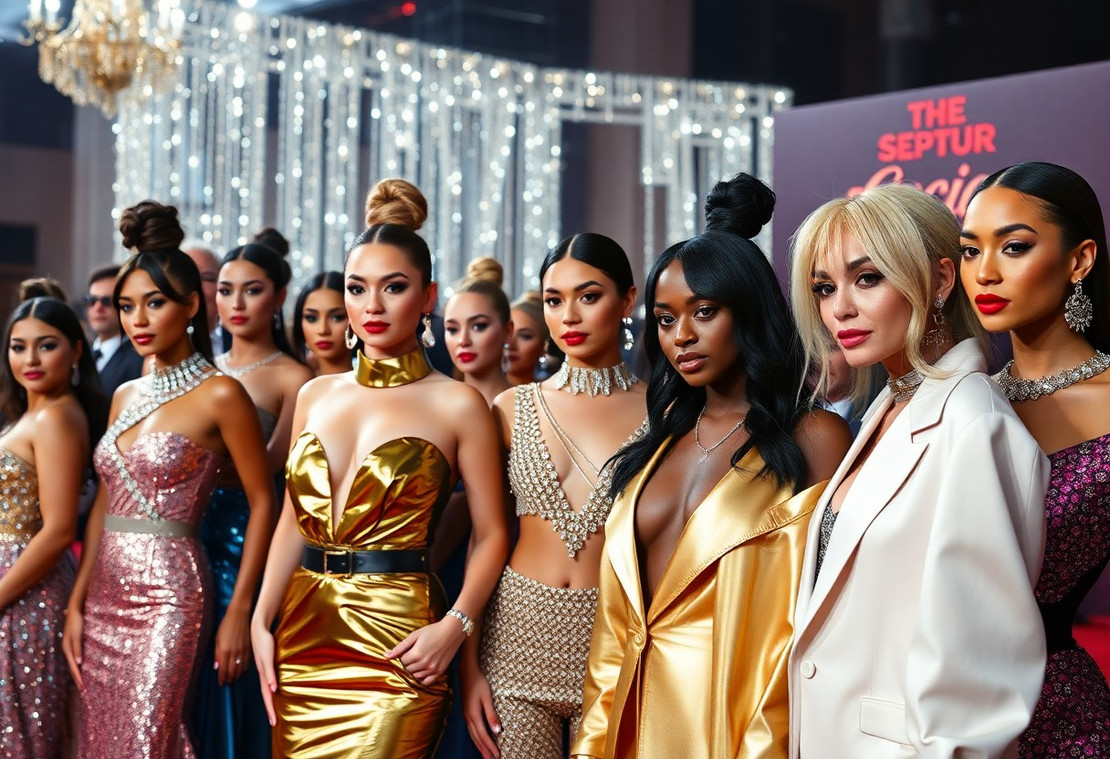
Red carpet trends are evolving, and the emergence of neo-glamour is reshaping how celebrities approach red carpet dressing. I believe this style celebrates bold silhouettes, luxurious fabrics, and innovative designs, allowing you to express your individuality while maintaining a classic allure. As you navigate this changing landscape, it's important to recognize the power of sustainable fashion within this movement, as it combines elegance with responsibility. In this post, I’ll explore how neo-glamour redefines glamour, creating a captivating balance that’s both modern and timeless.
Historical Context of Glamour
Understanding the roots of glamour reveals its evolution from the golden age of Hollywood to today's dynamic fashion landscape. In the early 20th century, iconic stars like Marilyn Monroe and Audrey Hepburn defined glamour through elegance and style, captivating audiences with their bold choices. As film and celebrity culture became intertwined, the allure of glamour transitioned from the screen to the red carpet, setting the stage for ever-increasing expectations surrounding celebrity appearances.
Evolution of Red Carpet Fashion
Red carpet fashion has dramatically shifted over decades, reflecting societal changes and evolving tastes. From the extravagant gowns of the 1950s to contemporary minimalist designs, each era showcases distinct elements of glamour. Famous designers and style icons have continually influenced trends, making the red carpet a battleground for creativity and expression, ultimately establishing its significance in fashion history.
Key Moments that Defined Glamour
Several defining moments in red carpet history have profound impacts on what glamour means. The iconic 1974 Academy Awards, where Liza Minnelli donned a striking black ensemble, marked a pivotal shift towards bold statements. Similarly, the 1990 Oscars featured in a vintage Valentino, signaling a new era where personal style took precedence over traditional glamour.
Throughout history, key moments like the 1981 Academy Awards, when Diana Ross wore a dramatic, feathered gown, and Jennifer Lopez's famous green Versace dress in 2000 reshaped perceptions of glamour. Each appearance not only highlighted personal choice but also sparked conversations about trends and body image. These defining moments set the tone for future generations, establishing the red carpet as a platform where glamour is continuously redefined and challenged. Through these instances, I’ve witnessed how glamour evolves and adapts, reflecting not just fashion but also cultural shifts.
Defining Neo-Glamour
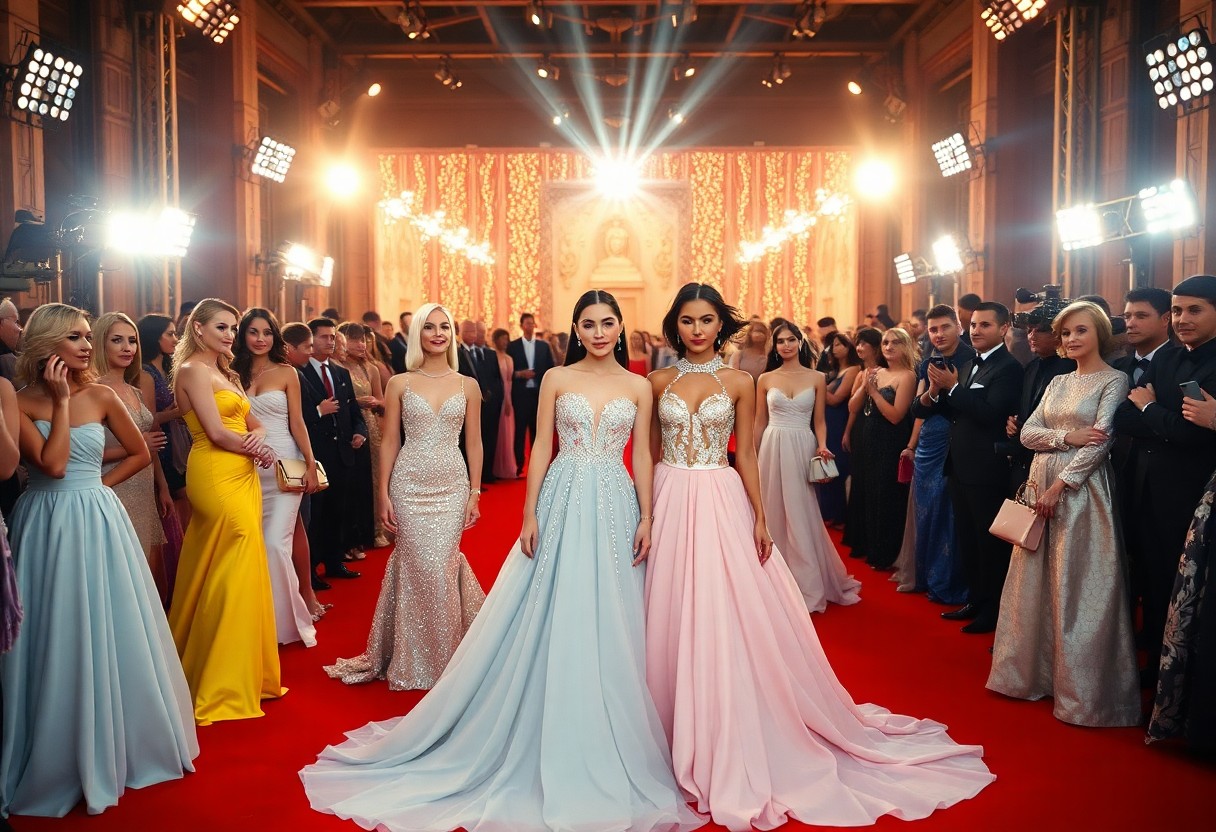
Neo-glamour embodies a fresh interpretation of elegance, mixing classic allure with a modern sensibility. This style reflects a shift away from traditional notions of glamour, focusing instead on individuality, sustainability, and inclusivity. You’ll find fabrics that tell a story and silhouettes that celebrate diverse body types, creating a spectrum of beauty that’s both relatable and aspirational. The result is a fashion statement that not only dazzles but also resonates with contemporary values.
Characteristics of Modern Glamorous Style
Modern glamorous style prioritizes authenticity and comfort without sacrificing boldness. You can expect an array of vibrant colors, unexpected textures, and innovative techniques that create visual interest. Key features include striking accessories that enhance rather than overshadow, as well as the integration of sustainable materials, ensuring that glamour is also conscientious. This approach allows you to express your unique style while embracing the glamorous essence that has captivated audiences for decades.
Influential Designers and Their Impact
Numerous designers are at the forefront of the neo-glamour movement, transforming red carpet fashion. Visionaries like Alessandro Michele at Gucci, who famously blends eccentricity with classic glamor, and Schiaparelli’s Daniel Roseberry, celebrated for surrealist elements, emphasize the avant-garde. Their collections push boundaries, allowing you to see glamour in a new light while championing sustainability and artistry.
For instance, Michele’s designs have encouraged a broader acceptance of mix-and-match aesthetics, blending vintage motifs with contemporary cuts, allowing you to create layered, individualized looks. Meanwhile, Roseberry at Schiaparelli highlights craftsmanship through intricate detailing and unique silhouettes, making you appreciate the artistry behind glamour. These designers not only elevate the standards of red carpet attire but also inspire others to think differently about glamour's definition, aligning it with modern values of diversity and ecological responsibility.

Cultural Influences on Neo-Glamour
The changing cultural landscape deeply influences the evolution of neo-glamour, transforming fashion into a reflection of broader societal changes. It embodies a redefinition of luxury, linking personal expression with global socio-political movements. Cultural narratives increasingly influence designers, drawing inspiration from art, history, and social issues, ensuring that red carpet looks resonate beyond mere aesthetics.
Social Media and Celebrity Culture
Social media platforms have revolutionized the way we perceive and engage with celebrity fashion, amplifying the reach of neo-glamour. Instagram and TikTok allow celebrities to showcase their unique styles instantly, creating trends that resonate with fans. This democratization of fashion means that your style can be just as impactful, as you can draw inspiration from glamorous looks shared globally, making red carpet-worthy fashion more accessible.
The Role of Diversity in Glamorous Representation
Diversity is no longer an afterthought in glamorous representation; it's a driving force behind neo-glamour. Influential designers are prioritizing inclusivity, showcasing a wide range of body types, ethnic backgrounds, and gender identities on the red carpet. This shift is visible in brands like Savage X Fenty and Christian Siriano, which challenge traditional beauty standards and create a more expansive definition of glamour that invites everyone to participate.
The increasing visibility of diverse voices in fashion enriches the aesthetic landscape and encourages broader acceptance of varied beauty standards. For instance, the rise of skin-positive and body-inclusive brands reflects a vital turning point in how glamour is perceived. When figures like Lizzo and Megan Thee Stallion step onto the red carpet, they redefine what it means to be glamorous, proving that elegance and beauty are not confined to a specific mold. This shift empowers individuals to embrace their unique identities and demand representation, fostering a culture where everyone’s version of glamour is celebrated.
Neo-Glamour Aesthetics on the Red Carpet
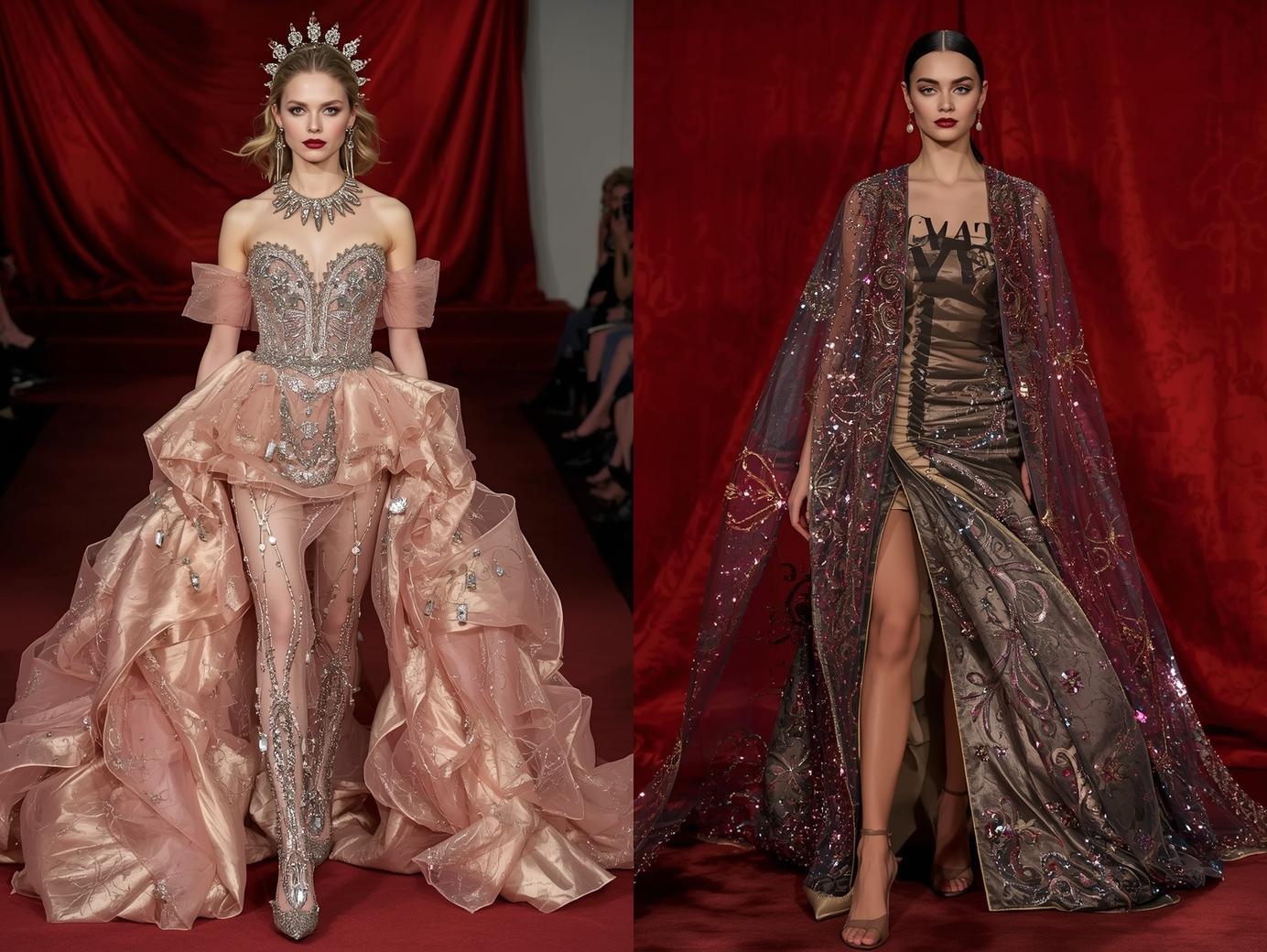
Neo-glamour aesthetics on the red carpet showcase a harmonious blend of vintage inspiration and contemporary artistry. Celebrities now gravitate towards designs that encompass both elegance and innovation, prioritizing sustainability without sacrificing style. The resurgence of bold, eye-catching silhouettes paired with intricate detailing highlights a collective desire to make fashion statements that resonate deeply with personal brand narratives and social commentary.
Iconic Outfits and Trendsetters
In recent seasons, iconic outfits from figures like Zendaya and Billy Porter have set new standards for red carpet dressing. Their choices—ranging from theatrical gowns to gender-bending concepts—challenge traditional norms, making them the definitive trendsetters of the neo-glamour movement. Each look emphasizes individualism and sparks conversations about inclusivity in fashion.
Color, Fabrics, and Styling Techniques
Color palettes in neo-glamour oscillate between striking jewel tones and soft pastels, reflecting both exuberance and subtlety. Fabrics are diverse, incorporating luxurious materials like silk and velvet, while innovative blends with sustainable textiles are gaining popularity. Techniques such as layering, draping, and asymmetry introduce an artful dimension, showcasing that glamour can be both sustainable and bold.
Incorporating vibrant hues such as emerald green and sapphire blue is vital for making a statement, while soft pastels evoke a sense of sophistication. Designers skillfully utilize fabrics like organza and sequined tulle to create depth and movement, enhancing visual impact. Styling techniques, including unexpected cutouts and draped silhouettes, redefine the traditional red carpet aesthetic, pushing boundaries further. A successful neo-glamour ensemble not only emphasizes individual style but also communicates a narrative of artistry and ethical consciousness.
The Economic Impact of Neo-Glamour
The rise of neo-glamour has transformed red carpet aesthetics and significantly impacted the economic landscape. The increasing demand for unique, statement-making garments encourages designers to innovate while driving up the profit margins within the fashion industry. According to a recent report, luxury fashion sales rose by 20% last year, with neo-glamour aesthetics leading the charge. As high-profile events showcase these styles, they create a ripple effect, prompting brands to adapt and invest in more extravagant, yet accessible, fashion that resonates with a broader audience.
The Fashion Industry’s Response
As neo-glamour gains traction, the fashion industry has quickly adapted. Major brands are reimagining their offerings, incorporating bold prints, sustainable materials, and personalization to appeal to the modern consumer. In a bid to remain relevant, traditional houses are collaborating with innovative designers, merging classic craftsmanship with contemporary flair. I’ve seen brands like Gucci and Valentino channeling this transformative energy, launching collections expressly catered to the allure of neo-glamour.
Emerging Brands and Market Trends
The emergence of neo-glamour has paved the way for new brands that prioritize individuality and sustainability. Smaller labels are thriving by offering customizable designs that embrace the opulence and drama associated with this trend. You’ll find brands like Christopher John Rogers and Tove, both celebrating vibrant, bold aesthetics. This shift supports artistry and aligns with consumer demand for more conscious choices.
These emerging brands are tapping into market trends that reflect a desire for unique self-expression. Statistics indicate that over 60% of young consumers prioritize sustainability and ethical production in their fashion choices. This awareness has propelled new entrants into the market, with designers focusing on made-to-order garments and eco-friendly materials, aligning perfectly with the neo-glamour ethos. Their commitment to craftsmanship, combined with a modern twist, resonates with a generation eager to make a statement both on the red carpet and beyond.
Criticism and Controversies Surrounding Neo -Glamour
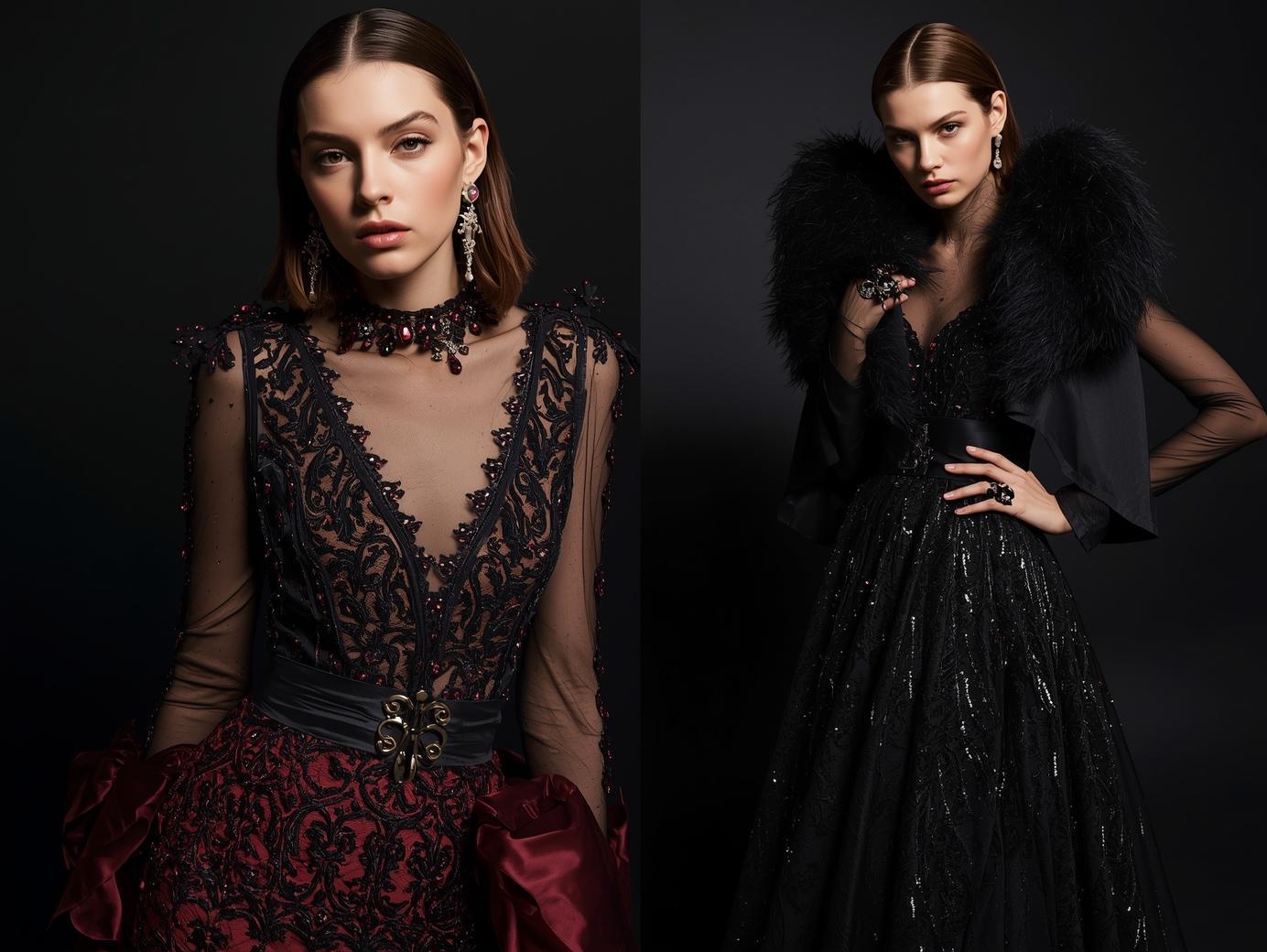
Despite the allure of neo-glamour, it faces significant criticism for its excess and connection to environmental and ethical issues. Critics argue that the lavishness often overshadows the fundamental responsibility of fashion to address broader societal concerns. As designers push boundaries with extravagant materials and techniques, the need for introspection regarding sustainability becomes more pressing.
Sustainability and Ethical Fashion
The rise of neo-glamour raises important questions about sustainability in fashion. As the industry grapples with its impact on the environment, I observe that many designers are increasingly incorporating eco-friendly practices. Brands like Stella McCartney and Gucci are championing sustainable materials, but the challenge remains to balance luxury with environmentally conscious choices that resonate with consumers.
Cultural Appropriation Concerns
Cultural appropriation has emerged as a contentious issue in the neo-glamour movement, where designers often draw inspiration from diverse cultural motifs. This appropriation can lead to accusations of disrespecting the origins and significance of these elements. Events such as the 2018 Met Gala, which showcased both celebration and appropriation, underscored the delicate balance we must maintain.
When prominent designers feature designs that misinterpret or simplify complex cultural symbols, the backlash against cultural appropriation in neo-glamour becomes particularly pronounced. For instance, the use of traditional Indigenous patterns in high fashion without understanding their significance has sparked outrage. As I explore these instances, it becomes clear that respect and collaboration with cultural communities are crucial. Engaging more directly with the origins of these designs not only honors the culture but also enriches the narrative within the glamorous framework, creating a more inclusive and authentic fashion landscape.
Final Words
Taking this into account, I believe the rise of neo-glamour in red carpet dressing reflects a significant cultural shift towards individual expression and bold aesthetics. As you navigate the evolving fashion landscape, your choices can embrace this trend by combining modern sleekness with the opulence of classic glamour. The red carpet is no longer just a showcase for high fashion; it’s a platform for authenticity and creativity. Embracing this fusion elevates your personal style and aligns you with the dynamic nature of contemporary fashion.