
4th Feb 2026
Wedge Trainers - The Hybrid Shoe Trend Taking Over
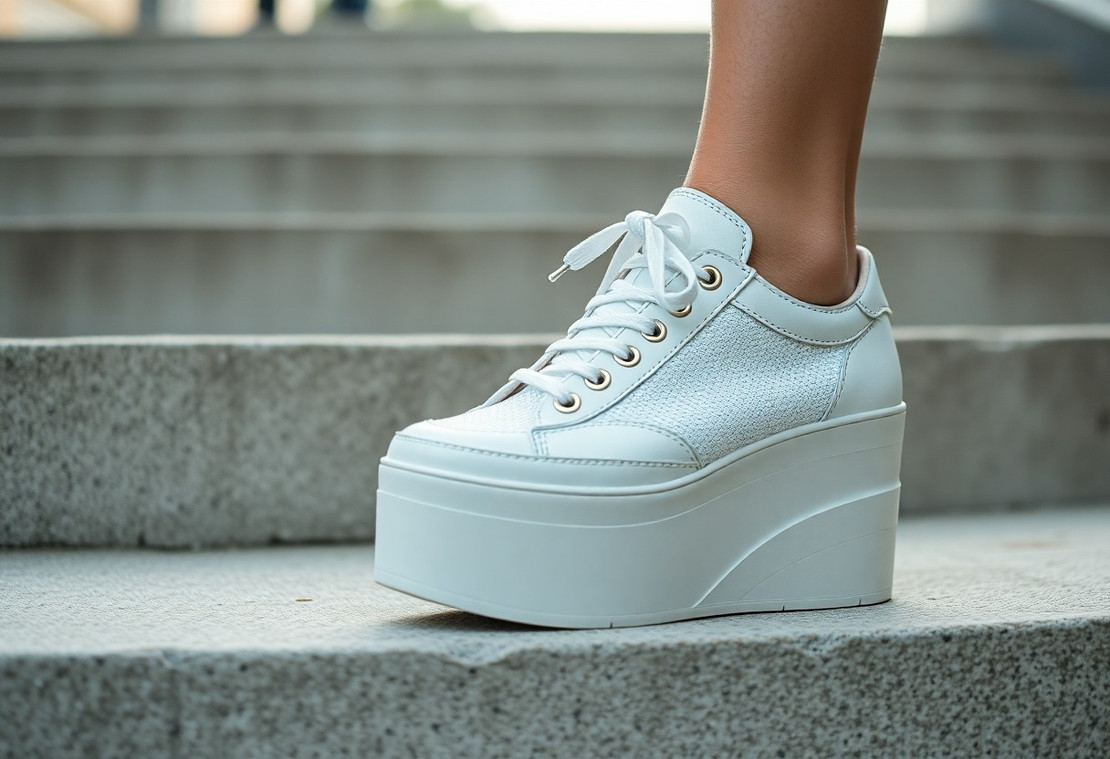
With wedge trainers blending athletic function and elevated style, you can enjoy versatile day-to-night wear that reshapes casual outfits while maintaining performance. This hybrid gives your stride extra lift and cushioning, but you should note potential increased ankle pressure and instability on uneven ground. Learn how to pick the right fit, sole construction, and heel height so your wardrobe gains height and comfort without traditional heel pain.
Origins & Evolution
Design evolution moved fast from elevated heels to performance soles: wedge platforms traced back through 20th-century fashion, but the hybrid surge really accelerated after Isabel Marant's wedge sneakers hit streetwear in the early 2010s, prompting Zara and H&M to copy the look by 2014. You can trace technical integration to the mid-2010s, when brands started embedding EVA and Boost-style foams into concealed wedges, creating a silhouette that blends fashion uplift with functional cushioning.
From classic wedge to hybrid trainer
Designers began hiding structured lifts inside athletic midsoles, so you get style and function together: typical hidden wedges add about 2-4 cm of height while utilizing EVA or TPU for support, and layered insoles preserve comfort. When you compare an early wedge boot to a modern hybrid trainer, you'll notice engineered heel counters and reinforced midsoles borrowed from running tech, not just a stacked sole for looks.
Cultural and athletic influences shaping the trend
Streetwear and athleisure pushed wedge trainers into mainstream rotation as influencers and runway shows normalized sporty-meets-dressy footwear; you saw Instagram-heavy styling propel the trend faster than traditional magazine cycles. At the same time, athletes and brands importing rocker geometry and maximal cushioning from trail and long-distance running—think Hoka's rocker profile and Adidas Boost—gave the hybrids a performance pedigree but also introduced potential biomechanical trade-offs.
Digging deeper, you can point to concrete tech transfer: Nike's React and Adidas Boost foams influenced how designers concealed supportive volumes without adding weight, while Hoka-inspired rocker shapes changed toe-off dynamics. That means you gain improved shock absorption and a distinct aesthetic, yet you should be aware of increased ankle rollover risk if your gait and training volume don't adapt—an issue sports podiatrists documented in case notes from 2017 to 2020 as hybrid silhouettes grew in gyms and city streets.
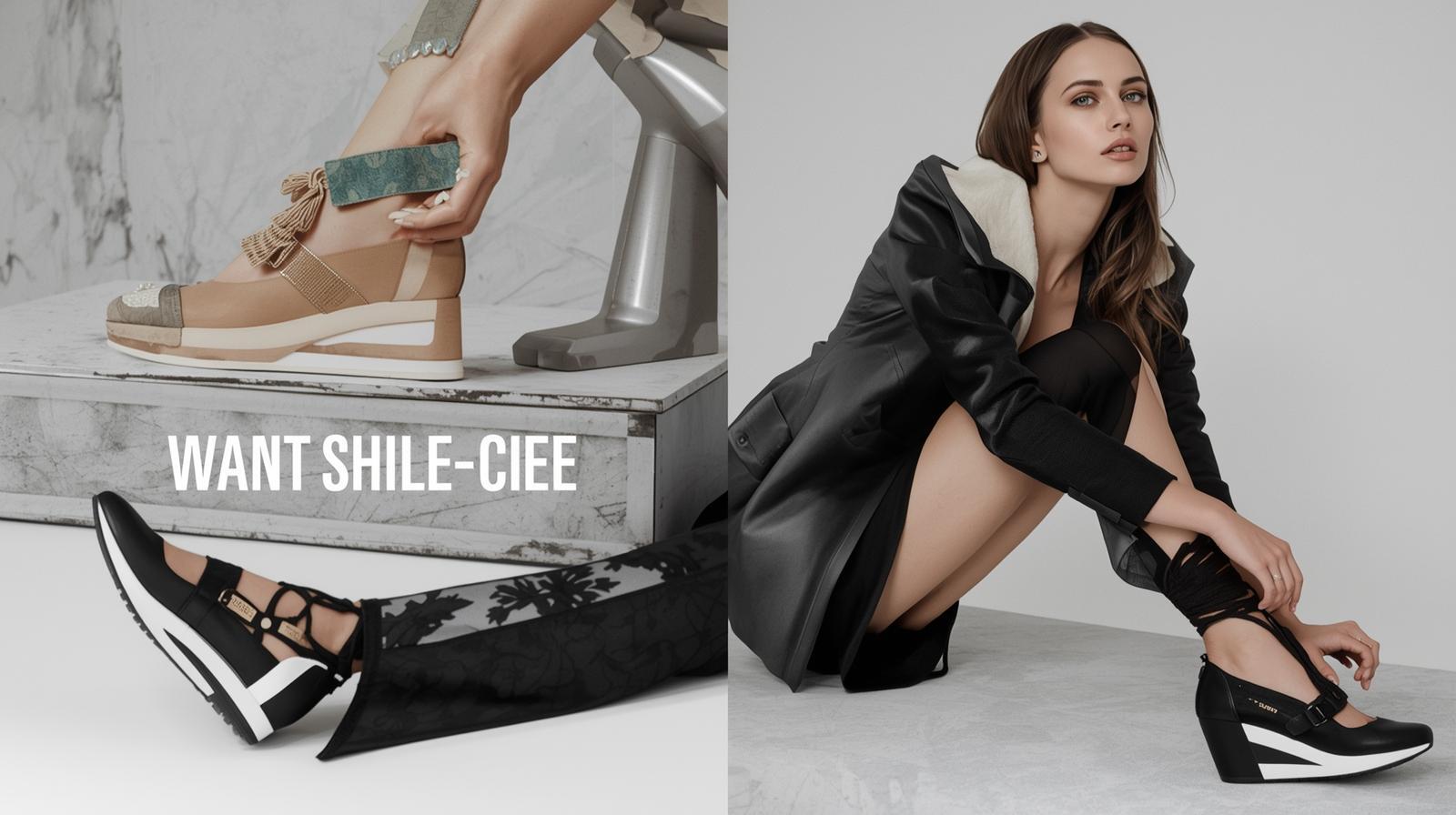
Design & Construction
Heel geometry, midsole technology, and sole integration
You’ll see heel stacks in wedge trainers typically between 25 and 45 mm, producing drops around 6-12 mm; that geometry shifts your center of mass and accelerates the heel-to-toe transition. Manufacturers combine EVA, PU or proprietary foams (Adidas Boost, Nike React) with TPU or carbon shanks to tune stiffness and rebound and use one-piece molded platforms or glued/stitched midsole shells for durability. Higher heels can shift forefoot loading significantly (often noticeable at ~20-30%), so sole integration must manage pressure distribution.
Materials, weight, and breathability considerations
You balance uppers like engineered knit or perforated mesh (high breathability, low mass) against leather or suede (durability, structure); wedge platforms typically make shoes weigh roughly 350-600 g per shoe, often adding 50-200 g versus low-profile trainers. Ventilation details—mesh panels, laser perforations, and moisture-wicking liners—directly affect thermal comfort, and poor breathability increases sweat, friction, and blister risk, so material choice must match intended use.
In practice, every material trade-off has a measurable impact: adding a 20 mm EVA platform commonly increases mass by ~80-120 g and raises midfoot stiffness, while substituting a TPU-blended foam can cut that mass penalty by roughly half and improve rebound. You should check midsole densities (softer foams compress 5-10 mm under load vs. firmer foams compressing 2-4 mm) and inspect heel counters and TPU shanks for targeted support—these elements determine whether the wedge enhances stability or simply amplifies forefoot pressure during longer sessions.
Comfort & Performance
Wedge trainers typically pack a 20-40 mm stack height and weigh about 300-420 g per shoe, giving you noticeable underfoot cushioning and a slightly elevated posture. You’ll feel softer landings—some modern foams advertise 20-30% greater energy return—while the angled sole shifts load toward the midfoot and forefoot. That can improve shock absorption for walking and commuting, but it also changes gait mechanics and may increase forefoot pressure on long efforts.
Support, cushioning, and stability trade-offs
You get extra midsole foam and often a wider platform, which increases cushioning and perceived stability for casual use. However, the wedge’s sloped geometry can reduce torsional flexibility and lateral responsiveness—that may compromise ankle mobility during quick cuts. Brands like Vionic and Ecco add orthotic footbeds or firmer shanks to counteract this; if you need dynamic support for lateral movements, choose a low wedge or hybrid with reinforced medial posting.
Intended use: walking, everyday wear, and light exercise
Wedge trainers excel for walking, commuting, and low-impact gym sessions—you can comfortably cover 5-10 km walks or stand all day thanks to the added foam and a stable platform. They’re ideal if your routine is urban mobility, errands, or strength training, where ground feel is less important. Avoid using them for high-speed intervals or agility drills, since the elevated sole alters foot strike and reduces quick directional changes.
If you’re switching from flats, phase wedges in over 2-3 weeks—start with short 2-3 km walks, then increase by 10-20% weekly—to let your calves and Achilles adapt. People with forefoot sensitivities or Morton’s neuroma should try rocker-style wedges or add a metatarsal pad; if you experience persistent forefoot pain, stop and consult a clinician. For mixed-use days, pair wedges with a flexible running shoe for longer runs.

Styling & Wearability
You can treat wedge trainers as a hybrid footwear staple—many add about 2-5 cm (0.8-2 in) of lift while preserving flat-foot comfort, letting you swap heels for daylong wear; brands such as Isabel Marant and Nike have driven mainstream adoption since the 2010s. After you test them with your go-to trousers to confirm comfort and stride.
- wedge trainers
- lift
- comfort
- everyday wear
How to style wedge trainers across looks (casual to smart-casual)
You should pair white or neutral wedge trainers with cropped denim and an overshirt for casual ease, then shift to tapered ankle trousers and a single-breasted blazer for smart-casual polish; tonal palettes and streamlined accessories keep the look intentional, and a low-profile sole reads dressier than chunky platforms. After you evaluate sock height and pant break to avoid visual bulk at the ankle.
- casual
- smart-cas
- tonal palettes
- ankle length
Proportions, silhouettes, and outfit pairing tips
You should balance the added volume of a wedge sole by choosing slimmer lower-leg silhouettes—skinny jeans, tapered chinos, or midi skirts that hit mid-calf—while keeping tops either cropped (to show the waistline) or structured to anchor the frame; many wearers find a 2-4 cm wedge best for everyday proportion. After you check how the shoe changes your pant break in natural light.
- wedge sole
- silhouette
- pant break
- midi skirts
For more detail, you can quantify balance: match a 2-3 cm wedge with ankle-grazing trousers and a cropped jacket, while a 4-5 cm wedge pairs better with longer, streamlined coats or high-waisted wide-leg pants that create a continuous line; many stylists recommend keeping top and shoe tones within a two-shade range to maintain visual cohesion. After you tweak the hem length, 1-2 cm adjustments often fix the perceived imbalance.
- 2-3 cm
- 4-5 cm
- hem length
- visual cohesion
Market Landscape & Key Players
You can map the wedge-trainer surge across luxury houses, legacy sports brands, and fast-fashion retailers: high-fashion ateliers bring runway cachet, Nike and Adidas translate the silhouette into performance-inspired variants, and Zara/Steve Madden push affordable copies. Industry attention centers on designer-driven narratives boosting desirability while mass channels scale volume, so your strategy must account for both brand prestige and rapid, price-sensitive supply.
Brands, collaborations, and signature models
You’ll spot signature models like Isabel Marant’s wedge-boot lineage, Balenciaga’s chunky hybrids, and platform iterations of Adidas Stan Smith and Nike Air Max silhouettes; collaborations such as Alexander Wang x Adidas and Rihanna’s Fenty x Puma helped normalize elevated soles. These tie-ups fuel visibility: designers inject fashion credibility, while sports brands provide technical DNA, so your buying decisions should weigh provenance against resale potential.
Pricing tiers and consumer demand dynamics
Expect three clear tiers: fast fashion at approximately $30-$80, mid-market sports and contemporary brands around $100-$300, and designer wedges from about $400-$1,200. You’ll see demand spike for limited colorways and signature logos, with limited drops and influencer endorsements driving short-term scarcity and higher margins.
Digging deeper, your revenue outcomes hinge on channel mix and scarcity mechanics: direct-to-consumer drops and curated boutique releases create urgency, marketplaces amplify resale premiums, and seasonal promotions shift demand toward lower tiers. Watch for counterfeits that undermine brand equity and for rapid trend fatigue that can flatten prices—managing inventory cadence and storytelling is how you protect margins.
Buying, Fit & Care
Sizing, fit checks, and what to try before you buy
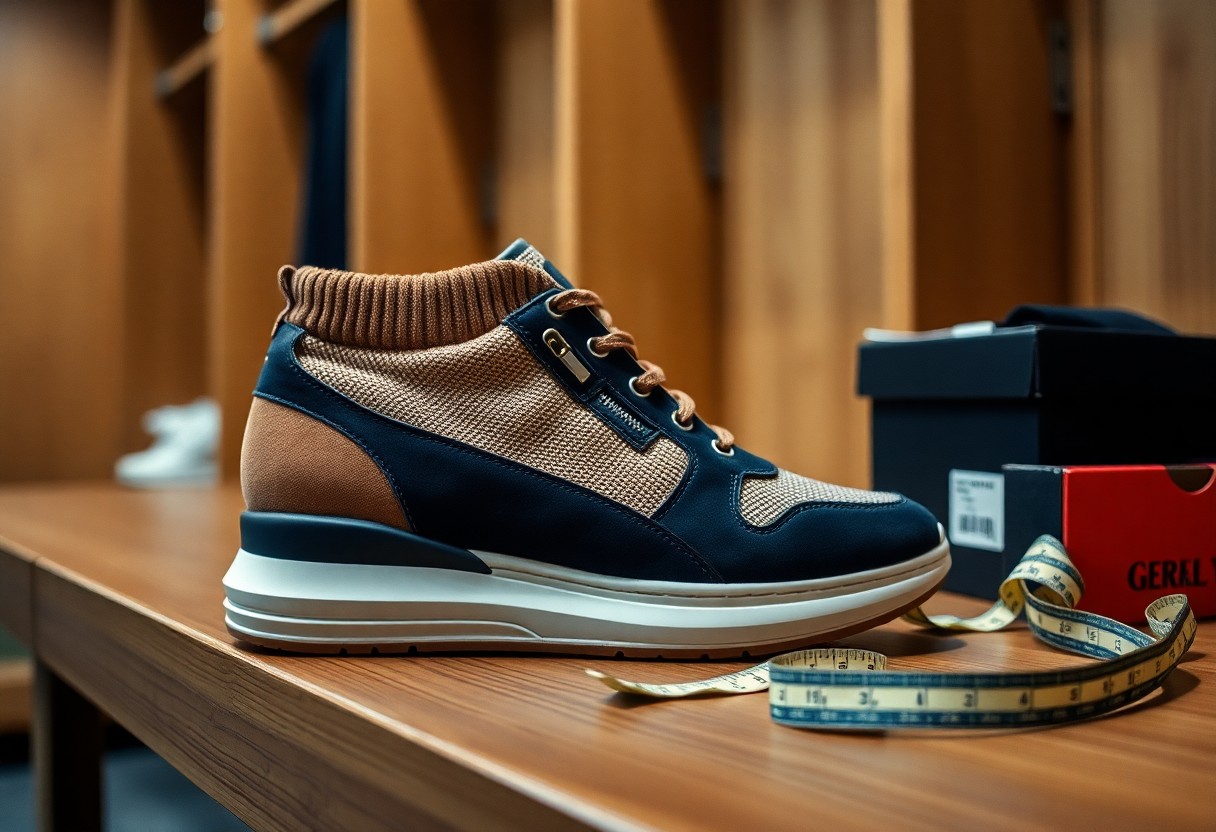
Try them at the end of the day with the socks you plan to wear, since feet swell—aim for 2-3 mm of toe room and heel slip under 1 cm when walking. Lace fully and take 10-15 paces on carpet and pavement, stand on one leg to test stability, and bring your insoles or orthotics to check fit. Note: many wedge trainers have a heel stack of 20-45 mm, so try a lower-drop option if the lift alters your gait.
Cleaning, maintenance, and prolonging lifespan
After each wear, wipe mud from mesh and soles and let them air-dry 24-48 hours; avoid dryers or direct heat because heat warps midsoles and softens glue. Use a soft brush with mild soap for surface dirt, reapply waterproof spray every 4-6 weeks on treated fabrics, and rotate pairs every 48 hours so midsoles can decompress. Store in a ventilated spot and use shoe trees for leather to keep shape and reduce creasing.
Mix one part mild detergent to five parts water for mesh and foam; you should blot with a soft toothbrush and never soak. For suede, work dry with a suede brush and rubber eraser; for leather, apply conditioner monthly. Do not use bleach or machine washing—they break down adhesives and can delaminate wedges. If midsoles yellow, try a diluted baking soda paste, rinse gently, and always air dry for 24-48 hours.
Conclusion
With this in mind, you can confidently assess whether wedge trainers fit your lifestyle: they combine heel lift and sneaker comfort to elevate both posture and style, offer versatile wear from gym to street, and demand proper sizing and progressive use to ensure stability and longevity—making them a practical, modern choice for your footwear rotation.