
5th Jan 2026
Winter Sheer - How to Style Transparent Fabrics in Freezing Temps

Many winter wardrobes can balance transparency with warmth when you style sheer fabrics in freezing temps: you should start with thermal base layers or silk slips under sheers, add insulating midlayers like wool or fleece, and top with a windproof, insulated coat to block cold; protect your extremities with gloves, hats, and tall boots; and limit outdoor time to avoid prolonged exposure that raises frostbite risk.
Understanding Transparent Fabrics
Sheer fabrics vary in weight and weave; most fall under 100 g/m² and are woven or knitted from silk, polyester, or cotton blends. You’ll notice woven options like organza hold structure, while knits such as mesh stretch and trap less air, affecting insulation and drape. In freezing conditions, the main risks are heat loss and high wind permeability, so you must plan layers to preserve transparency without sacrificing warmth.

Types of Sheer Materials
Chiffon and voile give a soft drape and work well as inner decorative layers; organza and tulle are stiffer and create tiny air pockets for loft; lace and mesh deliver patterned coverage but let wind through easily. Perceiving how each balances opacity versus breathability lets you choose the best partner for insulated pieces.
- Chiffon
- Voile
- Organza
- Lace
- Mesh
| Chiffon | This fabric is lightweight and has a soft drape, making it best suited as an inner layer under sweaters or vests to avoid direct wind exposure. |
| Voile | Sheer cotton blend; breathable and comfortable for layered looks, pairs well with thermal undershirts. |
| Organza | A stiff weave that traps tiny air pockets; useful as an outer decorative layer to add loft without bulk. |
| Lace | Highly patterned coverage but high wind permeability—combine with a windproof or insulated base. |
| Mesh | Very breathable and sporty; best used as an overlay with a warm lining or thermal underlayer. |
Benefits of Sheer Fabrics in Winter
You can use sheer fabrics to add visual depth without bulk, letting you wear 1-2 insulating layers beneath while showcasing color and texture; they improve ventilation during activity and allow creative contrasts, and when paired correctly, they preserve thermal retention while keeping outfits light.
For example, pairing a sheer chiffon blouse over a 200 g/m² merino base layer plus an 800-fill lightweight down vest keeps you comfortable around -5°C (23°F) while maintaining transparency; street-style tests show this method balances warmth and visibility, and adding a windproof shell or scarf blocks drafts without hiding delicate details, preserving core warmth when legs or arms are exposed.
Layering Techniques
Base Layer Essentials
You start with a thin, moisture-wicking base: a silk camisole or merino long-sleeve next to skin, then add a second lightweight layer for insulation—two thin layers trap air more efficiently than one bulky jumper. Choose merino for odor resistance and temperature regulation, synthetic blends for high-activity days, and avoid cotton next to skin since it holds moisture and reduces warmth. Finish with thermal leggings or a fleece-lined slip when temps drop below freezing.
Mixing Textures and Patterns
You contrast sheer panels with denser knits to create depth: pair a chiffon blouse with a chunky cable-knit or a sequin slip under a matte wool coat. Keep visual clutter low by limiting patterns to two, and vary the scale—small florals with large ribbing work best—so your outfit reads intentional and still traps heat.
For more precision, aim for roughly 60% opaque coverage overall—so one sheer item reads as an accent rather than a primary warmth source—and anchor looks with a windproof outer layer. Consider wearing a sheer patterned midi dress under a leather biker jacket and a heavyweight wool coat, or pairing a translucent sleeve with a thick turtleneck; use belts to manage bulk and proportion, and allow one texture to dominate while the other complements it.
Seasonal Color Palettes
Anchor your winter sheer looks in a blend of icy neutrals and deep jewel tones: think slate, charcoal, camel, emerald, sapphire, and burgundy. Pair a 30-40 g/m² silk chiffon top with a charcoal wool coat or a camel overcoat to balance translucence and warmth. You can also use darker outer layers to increase heat retention while keeping sheers visible at cuffs and collars, following a roughly 2:1 neutral-to-color ratio for cohesive outfits.
Choosing Winter-Friendly Colors
Choose saturated hues with cool or warm undertones based on your complexion: blue-leaning navy enhances cool complexions, while rust and camel warm up olive and fair tones. Combine an ivory sheer blouse with a deep burgundy skirt or a charcoal coat to create contrast without sacrificing heat. Because dark outer layers absorb more heat than light ones, you can use black or navy coats strategically to add thermal benefit while keeping your sheers delicate and visible.
Incorporating Bold Accents
Introduce a single bold accent—a cobalt scarf, scarlet beret, or silver metallic belt—to lift a neutral-heavy ensemble; restrict accents to about 10-20% of the visible outfit so they pop without overwhelming. Position accents near the face, cuffs, or hem to draw attention and provide perceived warmth; for example, a ruby beret and matching gloves with a charcoal coat immediately energize a sheer ivory blouse.
Dive deeper by matching accent textures to function: use velvet or knit scarves for insulation, leather gloves for wind resistance, and reflective trims for night visibility. Apply the 60-30-10 color rule (dominant, secondary, accent) and avoid sharp metallic trims that can snag delicate sheers - instead choose smooth hardware or embroidered accents to keep your layers both stylish and safe.
Accessories to Enhance Your Look
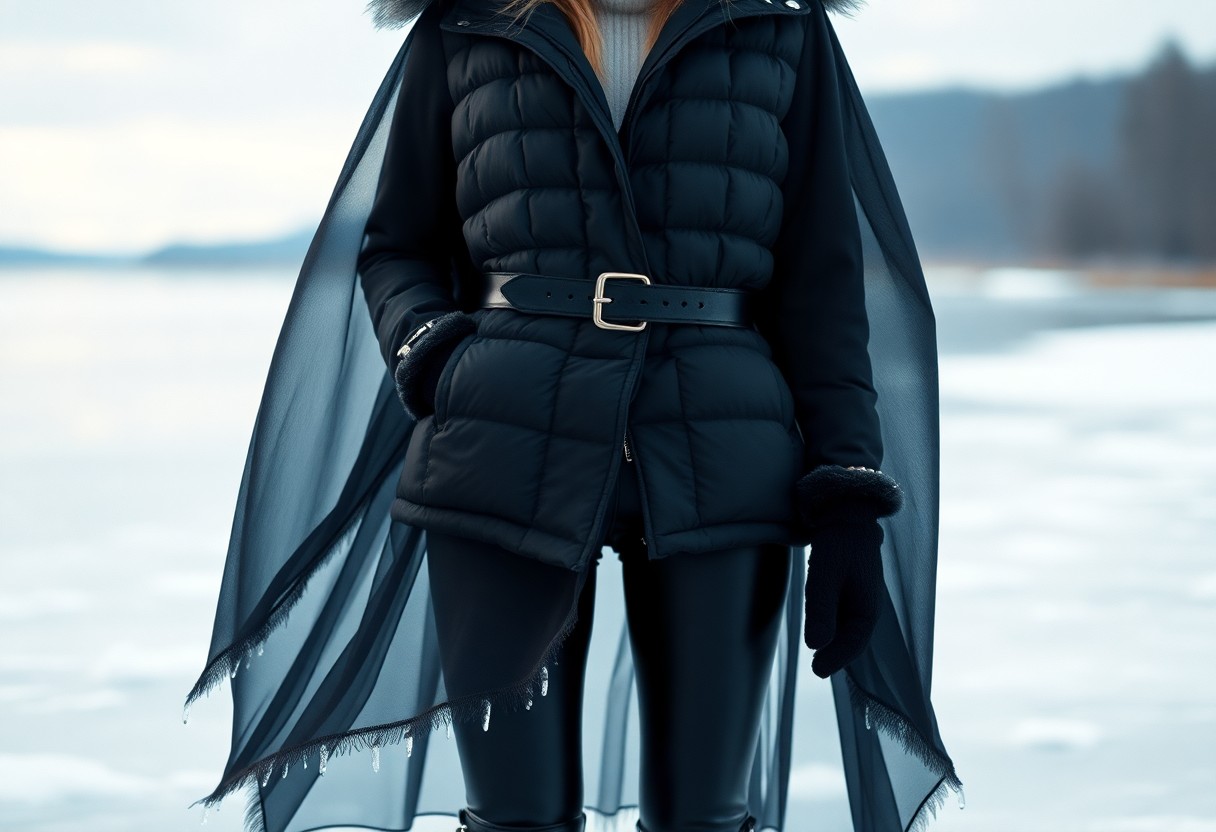
You can elevate a sheer outfit with structured belts, textured wool or cashmere scarves, and insulated gloves that add warmth without bulk; choose detachable fur collars or clip-on liners for coat versatility. Use bold jewelry to draw the eye away from exposed panels and create intentional contrasts. You prioritize functional accents like windproof finishes and removable linings.
- Statement belt
- Wool scarf
- Thermal gloves
- Layered necklaces
Layering with Outerwear
You balance transparency by sandwiching a merino or silk thermal baselayer under sheer tops, then add a mid-weight knit and a longline wool or puffer coat for wind resistance; combining layers can keep you comfortable down to about -5°C with the right outerwear. Try capes or long trenches to block drafts from sheer panels while maintaining silhouette. You aim for texture and length contrasts to keep proportions sharp.
- Merino baselayer
- Wool coat
- Longline puffer
Footwear and Hosiery Tips
You should pair sheer dresses with 30-80 denier tights depending on warmth needs and choose waterproof boots with insulated linings for traction and heat retention; calf- or knee-high styles seal out drafts better than ankle boots. Rotate between leather and technical fabrics for wet conditions, and consider sock liners for added warmth. You select sock liners when temperatures drop below 0°C.
- 30-80 denier tights
- Insulated boots
- Waterproof soles
When temperatures fall further, opt for fleece-lined tights (60-120 denier) or double-layer hosiery combined with a thin merino sock and supportive insoles to trap heat without bulk; lug soles and GORE-TEX membranes handle slush and maintain traction, and a 3-4 cm heel works if ankle support is solid. You test combinations at home to ensure mobility and warmth before heading out.
- Fleece-lined tights
- Merino socks
- GORE-TEX boots
Practical Tips for Staying Warm
When you wear sheer pieces in freezing weather, prioritize visible texture while locking in heat with smart underlayers and outerwear. Choose merino or thermal base layers, fleece-lined tights, and a windproof coat or down shell to cut wind chill. The best approach uses three layers: a wicking base, an insulating mid, and a protective shell.
- Layering: thin base + mid + shell
- Targeted insulation: vest or slip under sheer pieces
- Accessories: thermal scarves, insulated gloves, wool hats
- Vent control: zippers and removable layers for activity
Quick Warmth Fixes
| Situation | What to add |
|---|---|
| Commute in -5°C to 0°C | Packable down + merino base |
| Outdoor event in -10°C | Wool mitts and parka (600-800 fill) |
| Short walk/errand | Fleece-lined tights and a thermal slip |
Insulating Your Sheer Outfit
Target the areas where your sheer pieces expose skin: slip into fleece-lined tights or a thermal slip (200-400 gsm), layer a down vest (600-800 fill) under a blazer to trap heat, and swap to windproof outerwear when stationary. If you plan long outdoor stretches in sub-zero temperatures, add a longer coat to protect exposed limbs and reduce heat loss from your hands and neck.
Insulation by Area
| Area | Best option |
|---|---|
| Torso | Thin down vest or wool sweater |
| Legs | Fleece-lined tights or thermal leggings |
| Hands/Neck | Insulated gloves and a wool scarf |
Strategic Layering for Temperature Control
You can control microclimates by making each layer functional: start with a 100-200 gsm merino base, add a wool mid (250-350 gsm) for passive warmth, and finish with a packable down or waterproof parka for wind and precipitation—ideal across a -5°C to -20°C range. Use removable sleeves, zip vents, and a stowable shell to adjust when you move between heated and cold environments.
You should think in zones: insulate the core and thighs heavily, keep sheer sleeves or panels for style, and carry a compact outer layer (foldable down, cape, or long coat) for stops longer than 10-15 minutes outdoors. In active moments you can shed the shell to avoid overheating; during waits, reapply the shell and add a scarf to cut convective heat loss.
Layering Details
| Action | Why it works |
|---|---|
| Core insulation | Maintains core temp; reduces shivering |
| Removable shell | Fast adaptation between indoor and outdoor |
| Accessory swap | Gloves/scarf add 10-20% perceived warmth |
Flattering Silhouettes for Winter
Favor streamlined silhouettes that let your layering do the talking: a sheer turtleneck tucked into high-waist wool trousers or a sheer midi over an opaque slip keeps lines clean while adding interest. Use 2-4 layers—base thermal, insulating midlayer, structured coat—and prioritize fit over volume so you can stay warm without losing the delicate appeal; protect your core with a fitted midlayer to maintain warmth and shape.
Styles That Work with Sheer Fabrics
Sheer turtlenecks, mesh sleeves, and organza overlays work best because they pair easily with insulating pieces; for example, wear a sheer blouse over a merino camisole and finish with a wool blazer and knee-high boots. Try a sheer pencil skirt with an opaque slip and fleece tights for cold days. These combos add texture and depth while keeping you warm, but avoid prolonged exposure to wind when skin is uncovered.

Balancing Proportions in Cold Weather
If your top is voluminous, counter with a slim bottom (skinny jeans or a pencil skirt); conversely, pair a sheer A-line skirt with a fitted knit to anchor your frame. Choose an outer layer about 2-4 inches longer than the sheer hem to prevent awkward breaks, and use belts or tailored coats to reintroduce waist definition without compromising insulation.
Pair an oversized sheer blouse with high-waist skinny jeans and ankle or knee boots (1-2 inch heel) to keep proportions flattering; tuck or half-tuck to control bulk and add a structured coat as the outermost layer. Aim for 2-3 fitted layers under one structured outerpiece so you retain warmth and a long vertical line—this elongates the silhouette and prevents the outfit from looking top- or bottom-heavy.
To wrap up
Now you can confidently wear sheer pieces in freezing weather by prioritizing strategic layering, thermal undergarments, insulating outerwear, and weatherproof accessories; balance transparency with opaque foundations, choose heavier fabrics for your lower layers, and focus on proportion to keep your warmth and style aligned, so you maintain both comfort and elegance while showcasing transparent fabrics all winter.