
23rd Feb 2026
Sheer Layering Over Tailored Foundations: Modern Power Styling 2026

Layering sheer over tailored foundations gives you refined contrast but risks visual imbalance; choose structured bases and controlled volumes for polished sophistication.
Key Takeaways:
- Sheer layers add softness and movement over a structured base; keep a sharply tailored jacket, blouse, or dress underneath to anchor the silhouette.
- Control coverage with strategic underlayers-opaque panels, slip dresses, or fitted camisoles-so translucency highlights texture and color without compromising modesty.
- Match proportions and fabrics: pair lightweight chiffons or organzas with close-fitting tailored pieces, limit volume to one area, and choose minimal hardware to preserve clean lines.
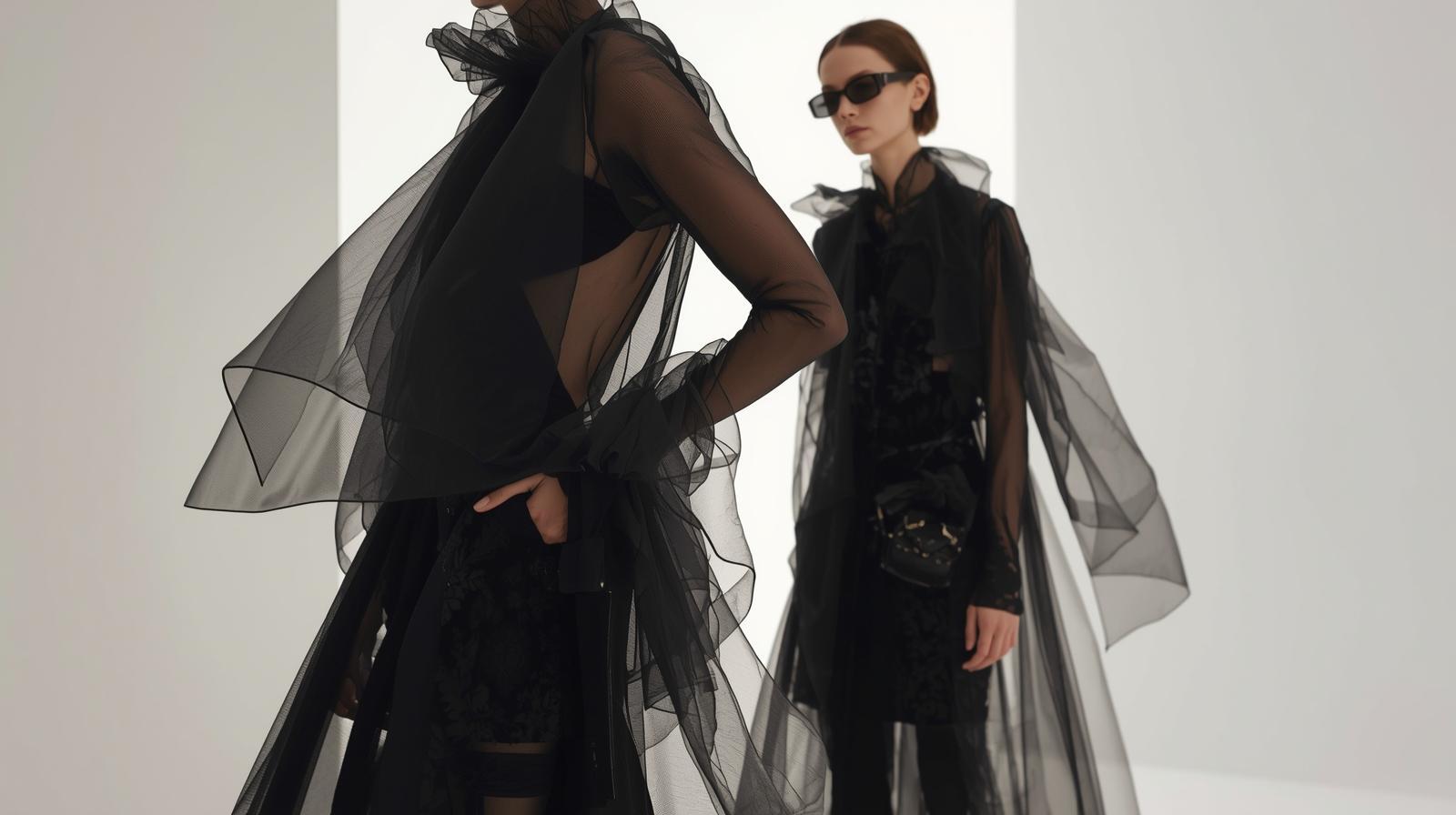
The Structural Core: Defining Tailored Foundations
Structure of your tailored foundation dictates how your layers sit; you must assess internal canvases, pad-stitching, and shoulder shaping. Weak construction can warp silhouette, while precise building ensures lasting shape and confident drape.
Precision Cutting and Textile Rigidity
Cutting determines how textiles resist or yield; you must match grain, tension, and seam allowance to fabric rigidity. Overly rigid cloth can restrict movement, while poorly cut drape causes bagging-both undermine the layered silhouette you intend.
The Architecture of Modern Suiting
Lines in contemporary suiting balance shoulder slope, waist suppression, and skirt length so you achieve clean layering. Prioritize canvases and interfacing that give directional support; mismatched structure will distort proportions while correct architecture offers timeless polish.
Consider how modern linings, shoulder canvases, and selective padding shape both movement and silhouette; you should test garments in motion to detect hidden pulls. Overconstructed fronts can create shoulder choke, while balanced internal tapering maintains natural posture and supports sheer layering without collapse.
The Mechanics of Sheer Integration
Sheer layering forces you to balance transparency and tailoring, using delicate overlays to soften lines while avoiding visible undergarments and snags.
Selecting Translucent Overlays: Organza vs. Chiffon
Organza gives you crisp structure and slight sheen, while chiffon provides floaty drape; choose organza for form and chiffon for soft movement, mindful of each fabric's snag and transparency differences.
Managing Light Refraction and Opacity
Measure opacity by viewing overlays under direct and backlighting so you can assess color shift and perceived density, then adjust layers to retain tailored lines without unintended sheerness.
Test combinations over your foundation in both warm and cool light to see how refraction alters tone. Use a thin interlining or double an overlay to increase opacity, and mark areas where contrast reveals seams so you can pad or line selectively.
Dimensional Contrast and Aesthetic Balance
Balance between sheer and structured pieces lets you create depth without bulk. Use contrasting textures so tailored lines remain visible while sheers add air; keep color contrast low to prevent overwhelming the silhouette.
Softening Rigid Lines with Fluidity
Layering a fluid chiffon over crisp tailoring lets you soften edges while preserving shape. Let seams peek and you maintain authority; watch for cling-choose linings to avoid unwanted transparency and embrace movement to highlight gentle contours.
The Interplay of Shadow and Substance
Light filtering through sheer overlays sculpts shadow that complements structure; you control perceived depth by adjusting opacity. Balance highlights so tailored joints read clearly, and avoid backlighting that can cause exposed underlayers, a potential risk to polished intent.
When placing sheers over suiting, you should consider light direction, fabric weight, and pattern scale. Front light reveals texture; side light carves silhouettes, while backlight increases the chance of overexposure. Thicker sheers and matte finishes preserve tailoring and create flattering depth. You reduce hazards by testing looks in natural and artificial light and adding linings where visibility undermines the outfit’s intentional polish.
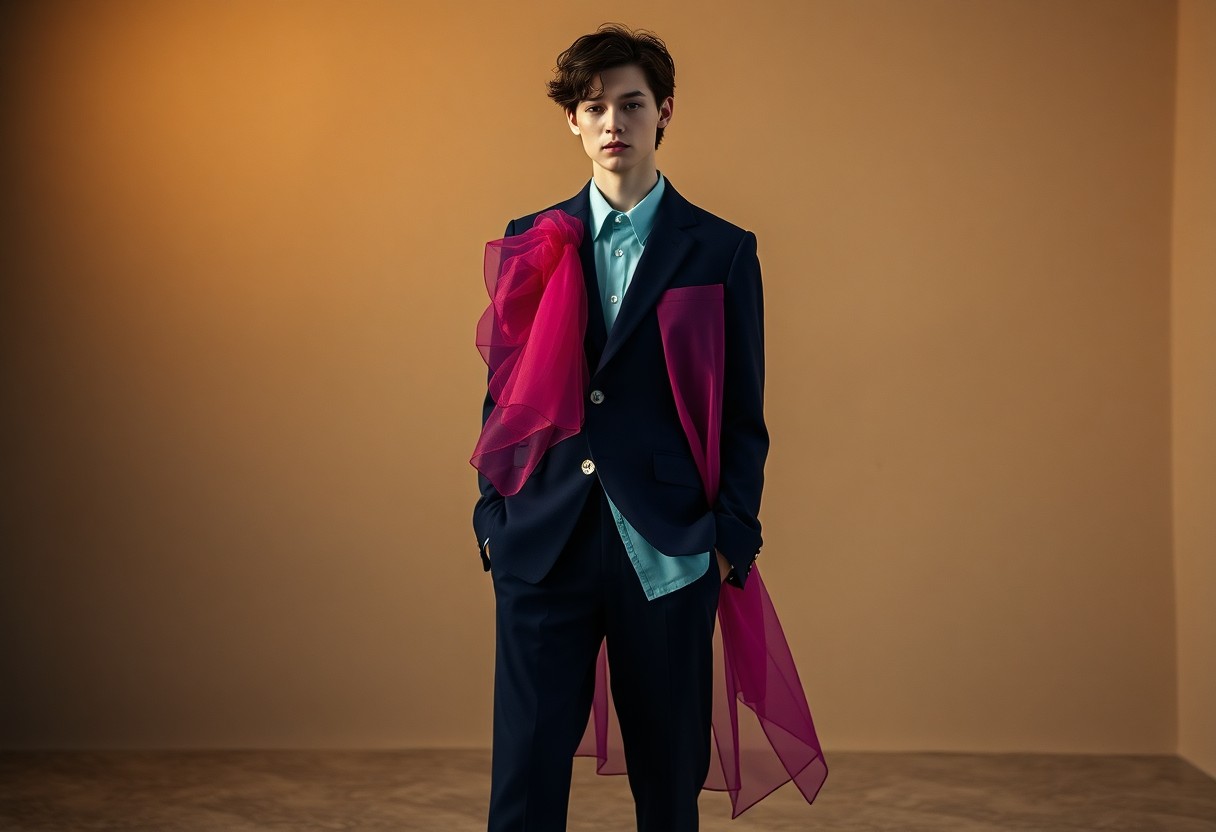
Color Theory in Layered Ensembles
Color choices shape how sheer layers interact with your tailored foundation; you should favor muted hues for depth or contrast to create focal points, keeping the base silhouette clear.
Monochromatic Depth and Tonal Variation
Monochrome layering amplifies depth through subtle tonal shifts; you should mix textures and sheerness so the tailored foundation reads cohesive instead of flat.
High-Contrast Palettes for Visual Impact
Contrast schemes demand attention; you should pair a bold base with translucent overlays to maximize visual impact while preserving the garment's lines.
Pairing black tailoring with sheer white or vivid jewel tones heightens drama; you should balance saturation, anchor bright pieces with neutrals, mind scale so the sheer layer enhances rather than obscures the silhouette, and test movement to confirm the composition reads intentional.

Technical Execution and Finishing
Precision in execution keeps sheers clean over tailoring: you align grainlines, control stitch tension, and prefer fine hand-stitches or micro machine seams to avoid visible anchors and puckers while maintaining structural integrity.
Seamless Integration and Edge Refinement
Edges demand careful finishing; you understitch linings, apply narrow rolled hems, clip curves, and use fine pressing to prevent fraying and visible bulk that betrays the underlying tailoring.
Managing Volume and Fabric Drape
Control volume by easing gathers, tucking strategically, and testing drape on form; you must balance fullness so the sheer creates airy drape without overwhelming the structured base.
Test different treatments off-body: you should combine staystitching, narrow interfacing on anchor points, and micro-pleats or bias-cut panels to control fall. Work with hand-basting to set gathers, press with a protective cloth, and check movement to avoid bulk at seams, visible pin marks, or snagging that ruins the refined effect.
Contextual Styling: From Runway to Wardrobe
You translate runway translucence into everyday wear by pairing sheer layers with crisp tailoring, ensuring coverage where needed while preserving visual lightness. Choose lining and proportions so you avoid wardrobe malfunctions and keep outfits polished for real-life settings.
Editorial Interpretations of Transparency
Consider how you can mimic editorial drama by pairing sheer panels with structured underlayers, using contrasting textures to maintain clarity while keeping a bold, wearable edge.
Modernizing Professional Silhouettes
Update your office uniform by pairing sheer blouses with lined blazers and high-waist trousers, using strategic linings so you maintain authority and avoid exposure.
Balance proportion by choosing structured jackets and midi skirts to counteract sheer tops; opaque underlayers and precise tailoring let you retain polish while experimenting with transparency.
To wrap up
With this in mind, you should balance sheer layering over tailored foundations to preserve silhouette clarity, introduce textural depth, and convey confident refinement through proportion and restraint.